Comoros: Lifting Island Voices Through Education and Belonging
Explore Comoros :
Discover how children across this island nation are overcoming poverty, exclusion, and limited opportunities — and how local efforts are opening doors to education, health, and hope.
The Situation for Children in Comoros
Comoros is a small island country off the eastern coast of Africa, rich in culture but facing significant development challenges. For many children, life is marked by limited access to school, healthcare, and inclusive support. These are the three most pressing issues they face:
High Dropout Rates and Gaps in School Access
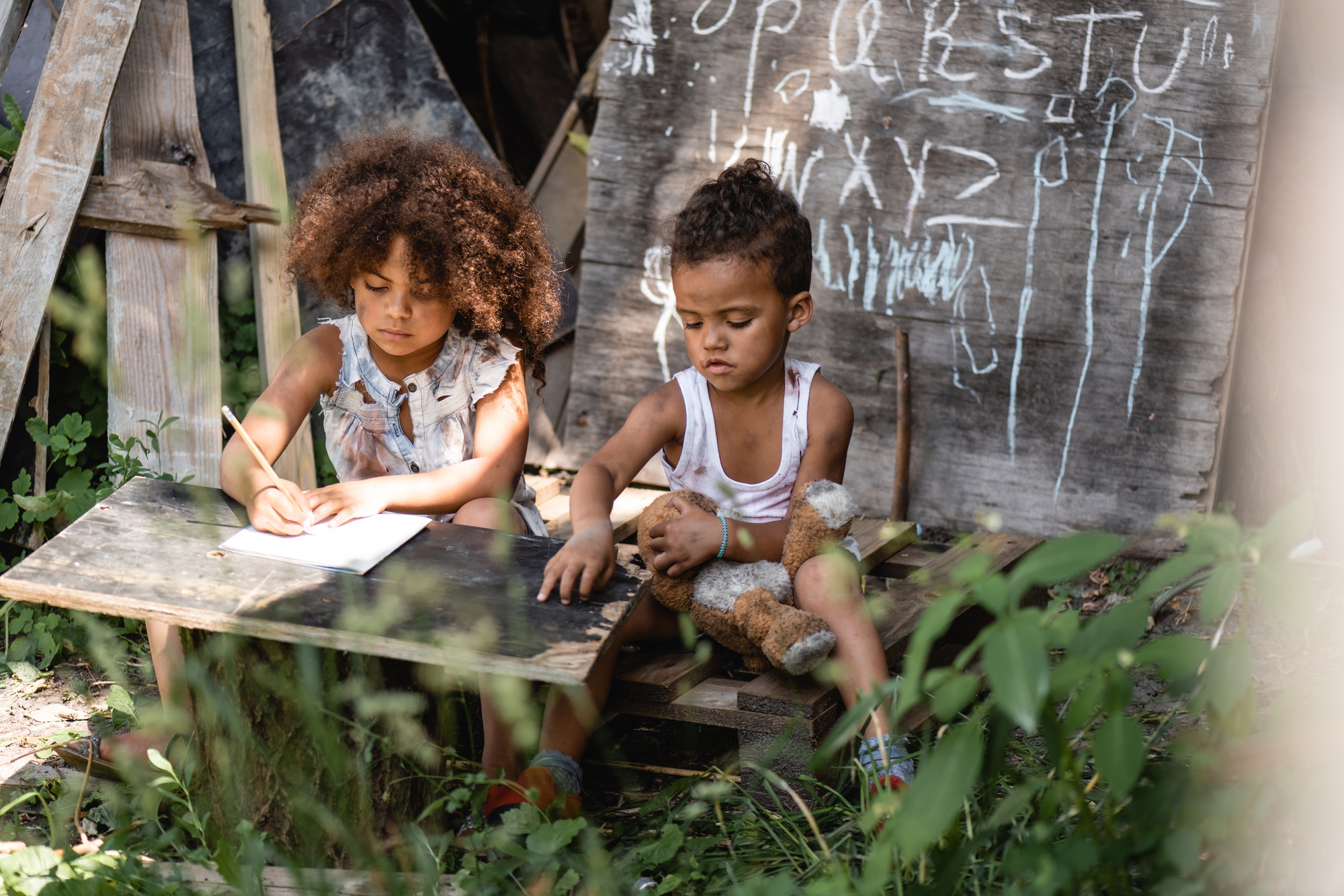
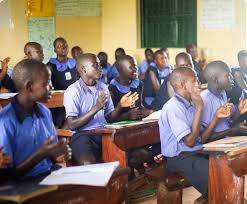
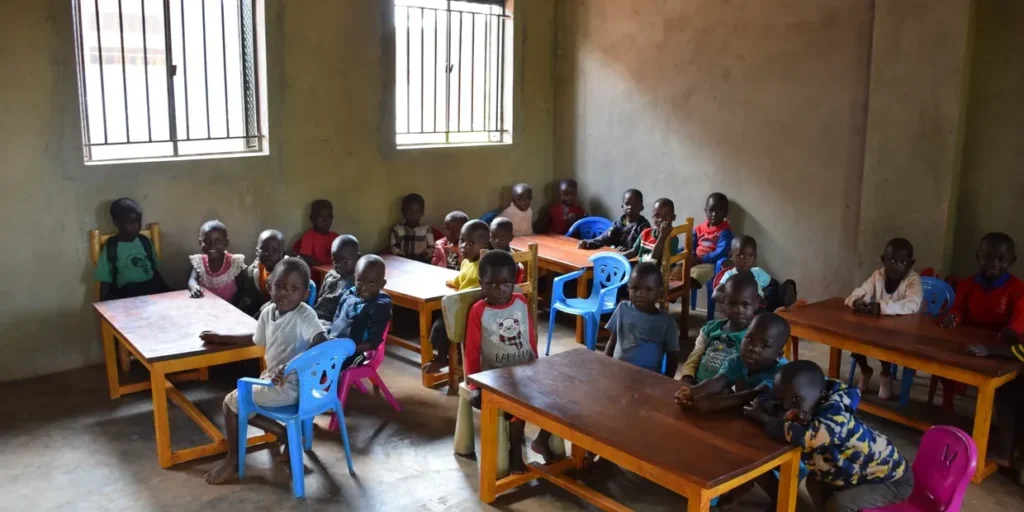
While primary education is free, schools are often overcrowded and underfunded, especially in rural areas. Many children drop out early due to poverty, distance from school, or pressure to help at home.
Poor Access to Pediatric Healthcare and Nutrition
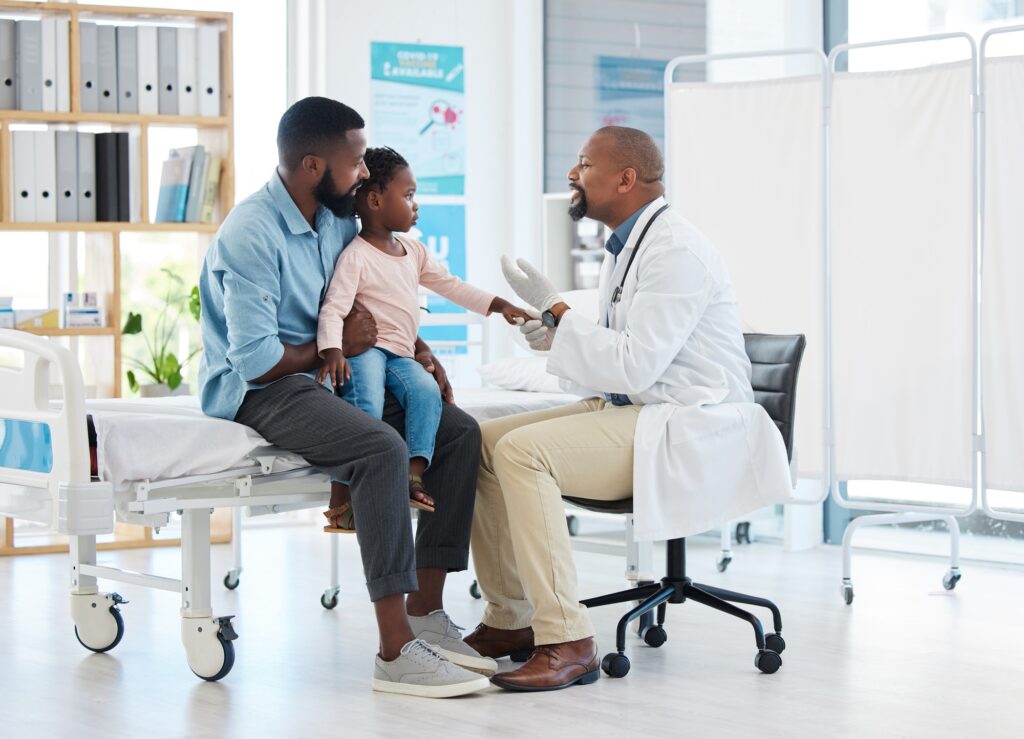
Children in Comoros face high rates of preventable illness and malnutrition. Clinics are limited, health outreach is scarce in remote villages, and many families cannot afford consistent care.
Social Exclusion of Children With Disabilities
Disability is often misunderstood or stigmatized, and children with special needs are frequently excluded from school and social life. Most schools lack the training, equipment, or awareness needed for inclusive education.
Despite these challenges, Uganda’s children remain full of hope — dreaming of education, health, and opportunities for a better tomorrow.
How We Help Amplify Change in Comoros
At iam4allkids.org, we bring light to the quiet struggles on island nations like Comoros — where poverty may not be loud, but it is deeply felt. We amplify the voices of children and families working to build equity, visibility, and care where resources are limited.
We:
Highlight efforts to keep children in school through transportation, meals, and mentorship
Share programs supporting health outreach and nutrition in underserved villages
Uplift organizations working to create inclusive spaces for children with disabilities
On these small islands, big change begins with listening — and sharing.
Why Comoros is One of Our Focus Countries
Though peaceful and often overlooked, Comoros faces structural barriers that quietly hold back its youngest generation.
Nearly 1 in 5 children drops out before completing primary school
Many island communities are far from clinics and rely on inconsistent care
Children with disabilities remain almost entirely excluded from schools
We believe that visibility is the first step to justice — and that every child in Comoros deserves to be counted and cared for.
A Message of Hope from Comoros
Even with few resources, community spirit is strong:
In hilltop villages, volunteers are walking children to school so they don’t give up on learning.
Mothers are creating homemade school lunches to keep kids in the classroom, not out working.
Children with disabilities are finding friendship, movement, and voice in new therapy spaces.
With your help, their progress is no longer invisible.
Every small success on these islands matters — and multiplies.
Key Contributor #1: Mwana Tanga Foundation
Keeping Children in School and Building Future Pathways
In the capital of Moroni and nearby communities, Mwana Tanga Foundation is working to reduce dropout rates by supporting children with scholarships, tutoring, and basic needs. Their program identifies children at risk of leaving school and steps in with targeted assistance — from school supplies to emotional support.
Volunteers also run parent workshops on the value of long-term education and support girls facing cultural pressure to drop out early. Mwana Tanga partners with teachers to create second-chance pathways for children who have already left school.
For many families, the foundation offers the one thing that makes school possible: belief that it’s worth it.
Key Contributor #2: Association Twamaya
Supporting Children With Disabilities and Fighting Stigma
Across Comoros, Association Twamaya is changing the lives of children with disabilities by offering therapy, family support, and school integration services. Their inclusive day center provides physical therapy, art classes, peer groups, and early childhood learning.
Twamaya also trains teachers and caregivers to better understand disability — helping build a culture of compassion, not shame. For children once left at home or hidden from view, this space becomes a world of color, learning, and community.
Twamaya is creating more than inclusion — they’re creating belonging.
Key Event #1: Island School Meal Program – Anjouan
Fighting Hunger and Absenteeism With Lunch and Love
In the island of Anjouan, teachers and parents launched the Island School Meal Program to help children stay in school by offering daily hot meals. With support from local farmers and donations, they cook rice, beans, and fish for students who once came to school hungry — or didn’t come at all.
Attendance quickly improved. Children concentrated longer, smiled more, and even helped with serving and cleanup.
The meal became more than food. It became a reason to show up, a rhythm to the day, and a source of pride for the community.
Key Event #2: Inclusive Play Day – Moroni
Celebrating Every Child Through Games, Music, and Joy
In 2024, Association Twamaya and a network of local schools hosted Inclusive Play Day, a citywide event celebrating children of all abilities. With relay races, music circles, and painting stations, the day brought children with and without disabilities together in joy.
Parents wept watching their children play side-by-side without fear or judgment. Teachers said it was the first time they saw students learn empathy — not from a book, but from laughter.
What began as an event became a movement — proof that inclusion can be simple, powerful, and fun.
Top Nonprofits Across Comoros
Meet the ten organizations making extraordinary strides in improving the lives of Comoros’ children — one community at a time.