Namibia: Uplifting Childhood Across the Forgotten Edges
Explore Namibia:
From desert towns to urban settlements, many children face hunger, isolation, and exclusion — but local changemakers are building bridges to care, education, and dignity.
The Situation for Children in Namibia
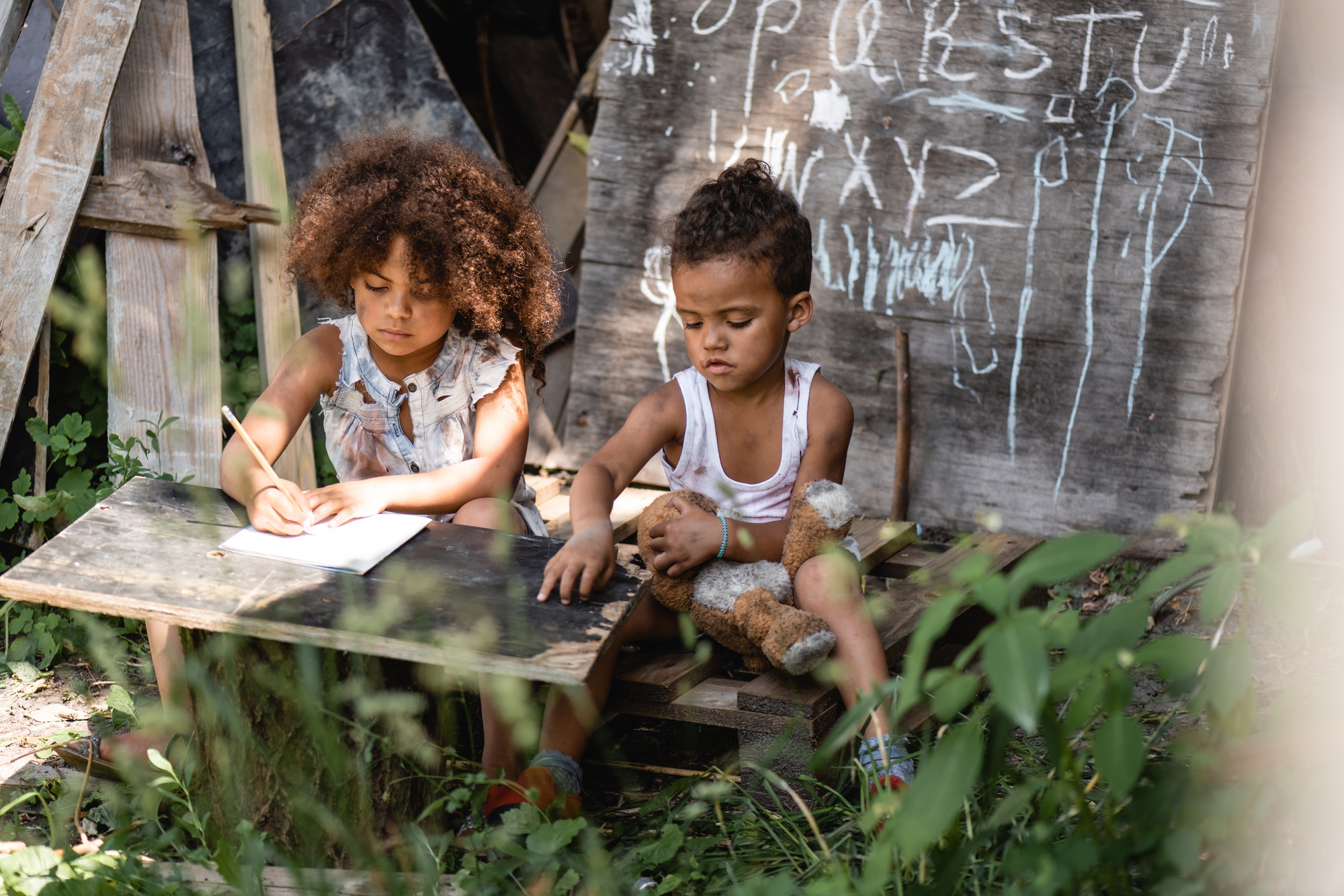
Namibia has made notable progress in healthcare and governance, but large inequalities persist. In rural regions and informal settlements, children often lack consistent access to food, learning, and protection — especially those born into poverty or disability. These are the three most urgent challenges:
Malnutrition and Food Insecurity in Rural and Urban Poor Areas
Nearly 1 in 4 Namibian children is stunted due to chronic malnutrition. Hunger is most severe in drought-prone northern regions and overcrowded informal settlements.
Educational Exclusion for Children With Disabilities and Remote Learners
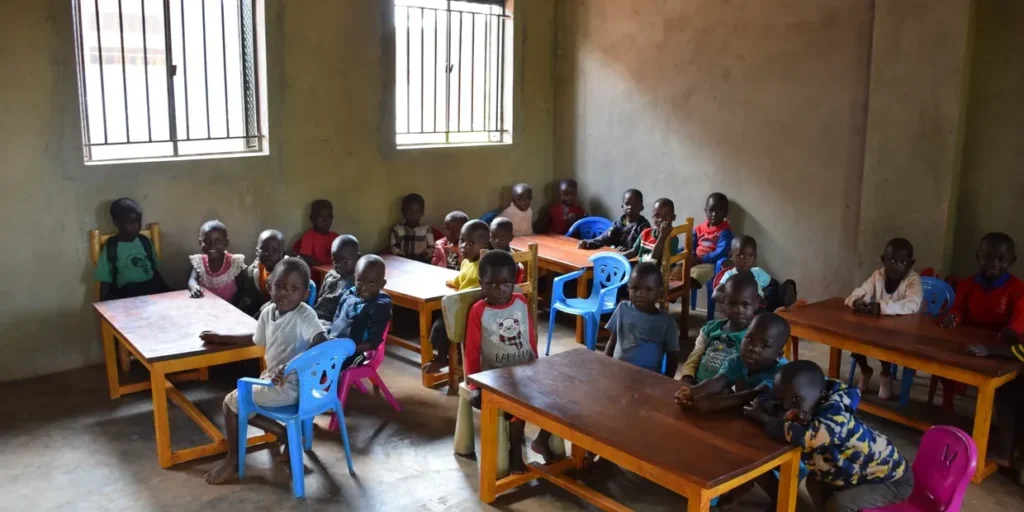
While Namibia’s school enrollment rates are relatively high, many children with disabilities lack appropriate services. In remote areas, schools may lack classrooms, teachers, or resources — driving dropouts.
Emotional Neglect and Family Breakdown in Urban Informal Settlements
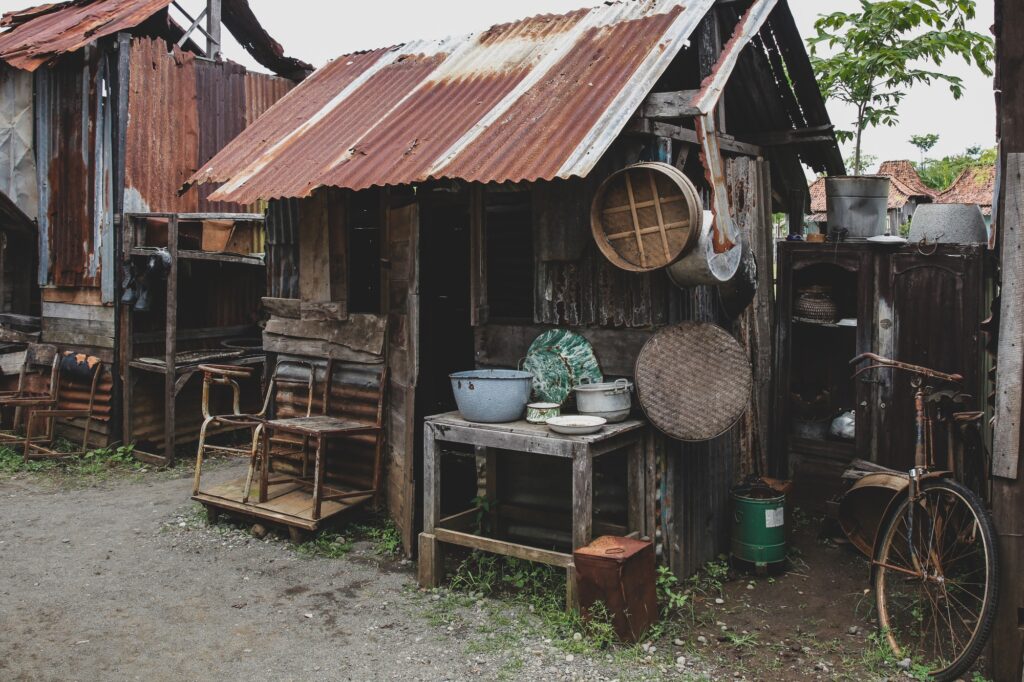
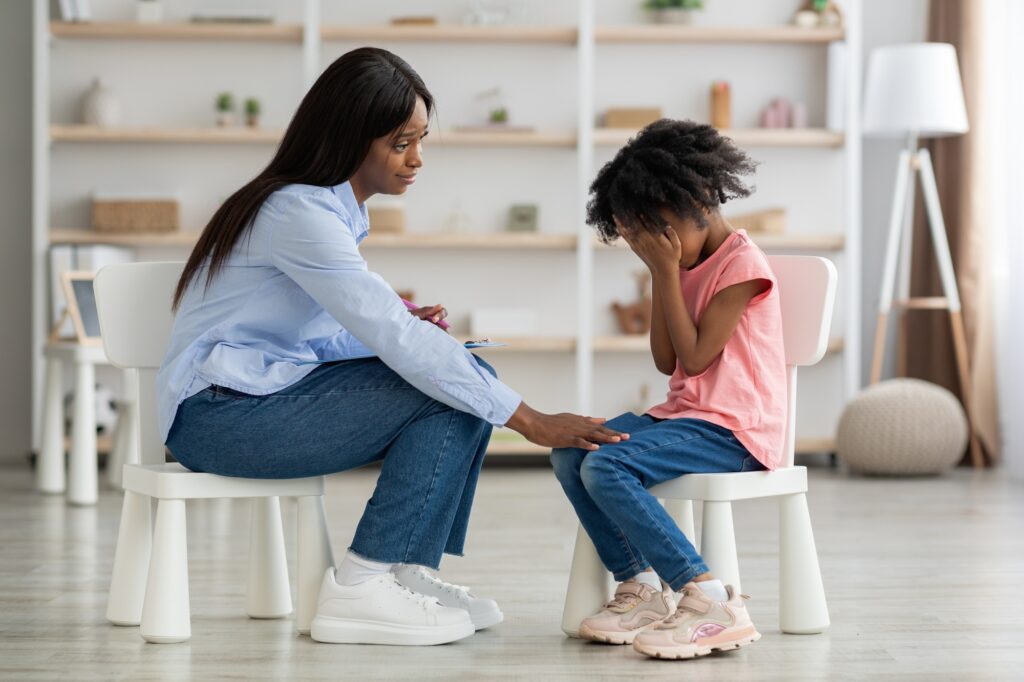
In areas like Katutura and Havana, rapid urban migration and unemployment have created fragile homes. Many children live without engaged guardians, facing neglect, abuse, or a lack of emotional support.
Despite these challenges, Uganda’s children remain full of hope — dreaming of education, health, and opportunities for a better tomorrow.
How We Help Amplify Change in Namibia
At iam4allkids.org, we shine a light on children growing up in the country’s blind spots — and lift up the local changemakers holding space for hope. In Namibia, we support organizations addressing food access, inclusive education, and emotional well-being.
We:
Highlight school meal programs and rural nutrition networks
Spotlight disability-inclusive classrooms and special education outreach
Share stories of children finding mentorship and safety in under-resourced settlements
In Namibia, we believe forgotten communities deserve full attention.
Why Namibia Is One of Our Focus Countries
Namibia’s children are capable — but underserved.
Nearly 24% of children under 5 are stunted from hunger
Children with disabilities face widespread exclusion from school and public life
Youth in informal settlements often lack basic support, supervision, and care
We believe every Namibian child deserves nourishment, visibility, and someone to believe in them.
A Message of Hope From Namibia
Even in scarcity, support grows:
In schoolyards across the north, children are receiving hot meals — and better marks.
In township classrooms, kids with disabilities are learning to read their names aloud.
In mobile shelters, children once left alone are writing stories, drawing dreams, and laughing again.
And because of your support, they are no longer growing up in silence.
In Namibia, community is showing up — one child at a time.
Key Contributor #1: Physically Active Youth Namibia (PAY)
Feeding Bodies, Growing Minds in Urban Informal Settlements
In Windhoek’s most underserved areas, PAY provides free meals, academic support, and life-skills programs for children living in poverty. The organization also incorporates physical education, nutrition workshops, and health screenings into daily activities.
Most importantly, PAY offers consistency — a space where children feel safe, supported, and seen. For youth navigating hunger and neglect, PAY becomes a second home.
Here, growth isn’t just physical — it’s personal.
Key Contributor #2: National Federation of People With Disabilities in Namibia (NFPDN)
Expanding Access and Voice for Children With Disabilities
NFPDN works across the country to increase educational access, awareness, and legal protection for children with disabilities. They provide mobility aids, teacher training, and family counseling in rural and urban areas.
They also advocate for policy changes and inclusive school infrastructure — ensuring that every child can learn in dignity, no matter their needs.
In a world that often looks away, NFPDN looks closer.
Key Event #1: School Meals Expansion Program – Oshana and Kavango Regions
Fighting Hunger Through Nutrition and Education
In 2023, PAY partnered with local schools to expand its School Meals Program into rural northern regions hit hard by drought. Over 1,200 children received daily porridge, fruit, and hygiene kits, improving both attendance and performance.
Teachers reported fewer dropouts, while children began bringing younger siblings to share in the meals.
For many, it was their first regular meal — and a reason to keep coming to class.
Key Event #2: Inclusive Education Forum – Otjozondjupa Region
Training Teachers to Support Children With Disabilities
In early 2024, NFPDN held its first Inclusive Education Forum, gathering over 60 teachers and community leaders to address barriers facing disabled learners. Sessions focused on sign language basics, adaptive materials, and trauma-informed classroom strategies.
Parents shared stories of children once hidden now attending school for the first time. The forum ended with a call to action: “No More Silent Classrooms.”
The event didn’t just educate — it shifted mindsets.
Top Nonprofits Across Namibia
Meet the organizations helping Namibia’s children grow, learn, and belong: