Lesotho: Raising Resilience on the Rooftop of Africa
Explore Lesotho:
Discover how children in this mountain kingdom are growing up amid HIV, orphanhood, and school barriers — and meet the local changemakers making sure no child is left behind.
The Situation for Children in Lesotho
Lesotho is a breathtaking country of highlands and hope. But for too many children, daily life is shaped by poverty, loss, and exclusion. From isolated villages to crowded townships, these are the three most urgent challenges children face:
Orphanhood Due to HIV/AIDS
Nearly 1 in 3 children in Lesotho has lost one or both parents — most due to HIV. Many live with elderly grandparents, head households alone, or are forced into informal labor to survive.
Barriers to Schooling in Remote Mountain Areas
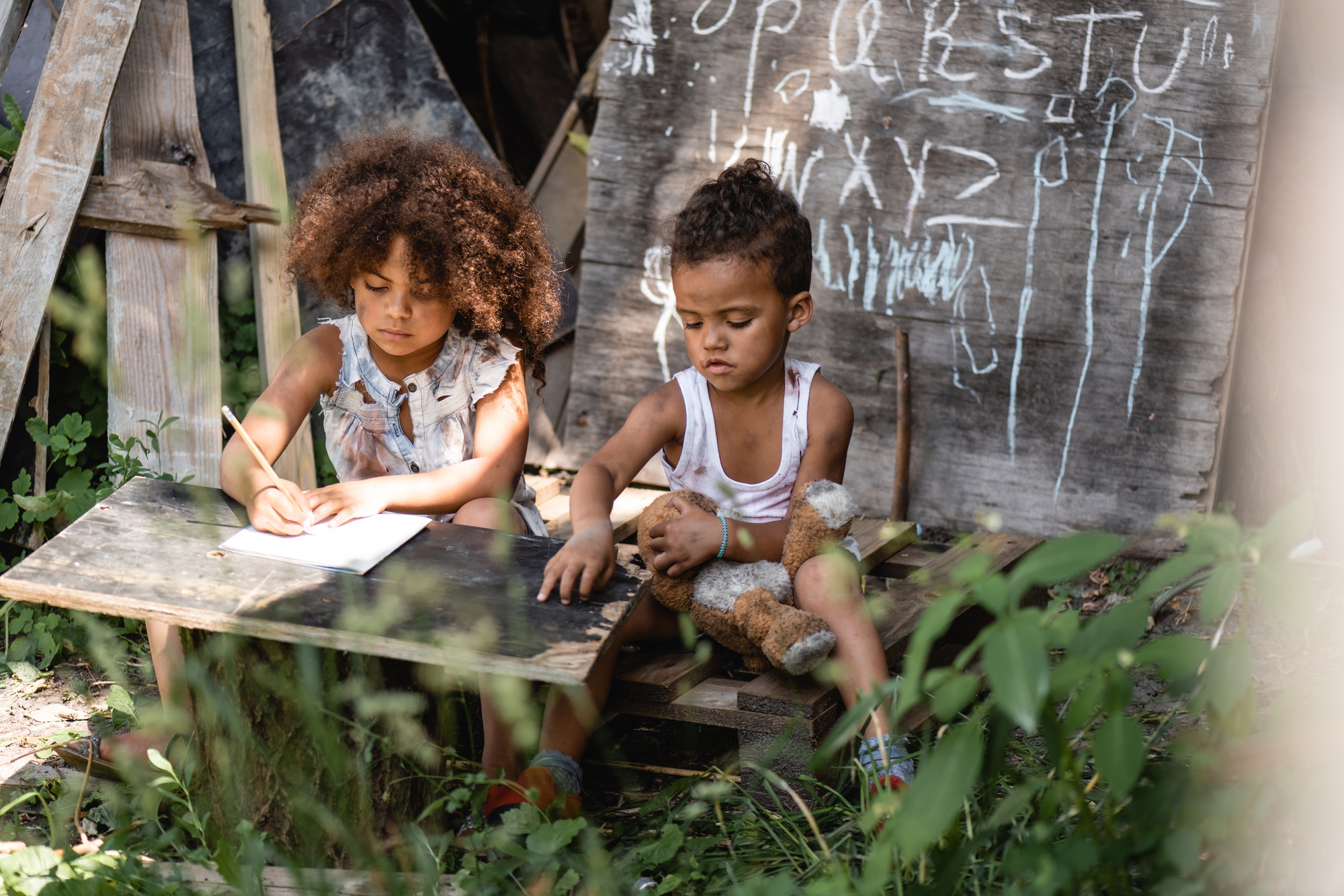
Harsh terrain, poverty, and long walking distances prevent many children — especially girls — from attending school regularly. Schools often lack materials, trained teachers, or sanitary facilities.
Stigma Around Disability and Mental Health
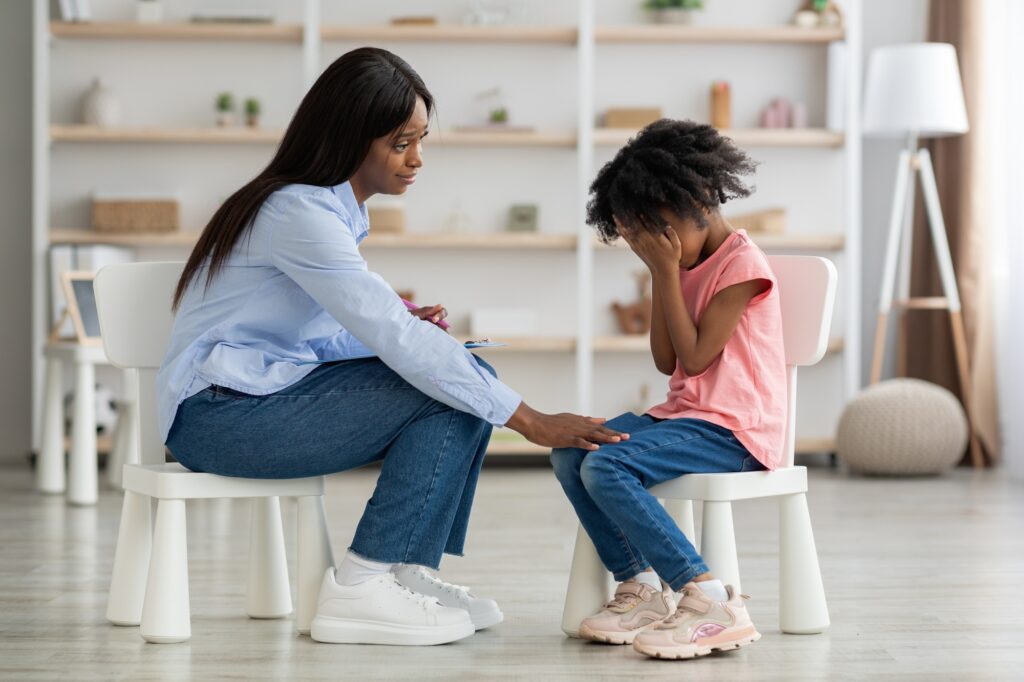
Children with disabilities or trauma-related challenges are often hidden at home, excluded from school, or treated as burdens. Mental health care is limited, and cultural silence deepens their isolation.
Despite these challenges, Uganda’s children remain full of hope — dreaming of education, health, and opportunities for a better tomorrow.
How We Help Amplify Change in Lesotho
At iam4allkids.org, we walk with the children who live beyond the edges of access — and raise the voices of those who lift them up. In Lesotho, we support local programs that bring healing, education, and dignity to those most at risk.
We:
Highlight rural schools that serve orphaned and vulnerable children
Support inclusive education and mental health awareness programs
Share stories of community-led care and resilience in hard-to-reach areas
Even in the highest villages, hope is finding its footing.
Why Lesotho Is One of Our Focus Countries
Lesotho’s children are growing up strong — but not yet safe.
Nearly 300,000 children are considered vulnerable due to HIV-related orphanhood
Many children must walk hours to school — if they can afford it at all
Disability and trauma are still met with stigma, silence, or exclusion
We believe Lesotho’s children deserve visibility, belonging, and support — not just survival.
A Message of Hope From Lesotho
Even in the coldest mountains, warmth is growing:
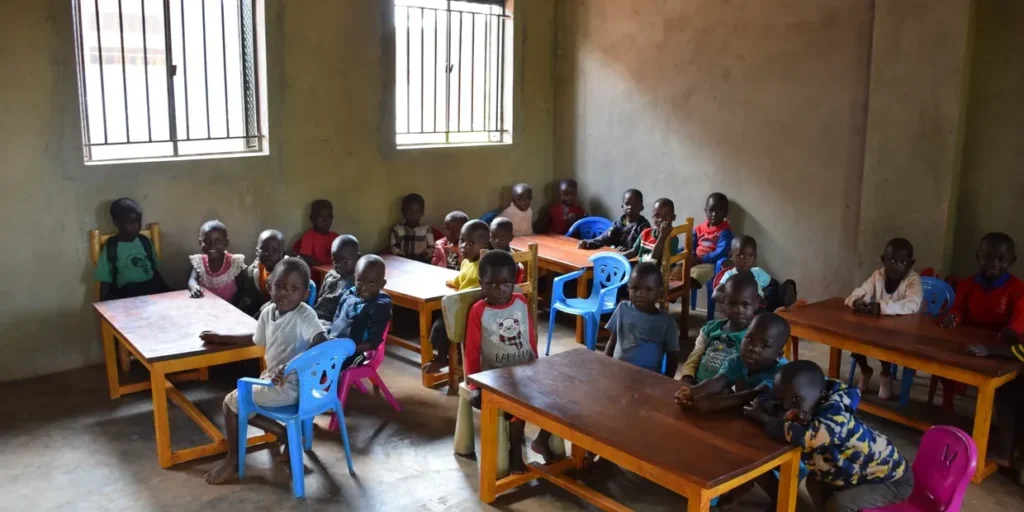
In thatched-roof schools, teachers are welcoming orphaned children with open arms and chalk-stained hands.
In tiny villages, grandmothers are raising a generation with grit and grace.
In quiet support groups, children with disabilities are drawing, laughing, and being truly seen.
And because of your support, these stories are rising from the mountains to the world.
In Lesotho, healing climbs higher — every single day.
Key Contributor #1: Touching Tiny Lives Foundation
Feeding, Sheltering, and Supporting Children Orphaned by HIV/AIDS
In rural Lesotho, Touching Tiny Lives cares for the youngest and most vulnerable: babies and children who’ve lost parents to HIV or are themselves HIV-positive. Through a mix of emergency shelter, home-based care, and community nutrition programs, they support survival and emotional healing.
Staff and volunteers deliver formula, medicine, and counseling to remote villages — often traveling on foot or horseback. Children stay in family-style shelters while guardians are trained and prepared to care for them long-term.
Their impact is quiet but profound: helping the smallest lives grow stronger.
Key Contributor #2: Lesotho National Federation of Organizations of the Disabled (LNFOD)
Promoting Inclusive Education and Disability Rights in Every District
LNFOD works across Lesotho to ensure that children with disabilities are not left out of school or society. They provide mobility aids, classroom accommodations, and community workshops to reduce stigma and train educators.
In areas where children with disabilities were once hidden, LNFOD helps them return to classrooms — with pride, support, and belonging. They also advocate for legal reform and inclusion at every level of public life.
For families who once felt alone, LNFOD offers visibility — and community.
Key Event #1: Mountain School Access Drive – Thaba-Tseka
Delivering Supplies and Hope to High-Altitude Classrooms
In 2023, Touching Tiny Lives launched a School Access Drive to support orphaned children in Lesotho’s highest mountain villages. Volunteers distributed warm clothing, school kits, and food parcels to more than 200 students — many of whom walk hours each day just to learn.
Teachers received supplies and mental health resources to better support children facing grief and hunger. Local leaders pledged to maintain safe routes and community study groups during the winter.
The campaign made education feel reachable — even above the clouds.
Key Event #2: Disability Inclusion Week – Leribe District
Creating Awareness and Access for Every Child
In 2024, LNFOD coordinated Disability Inclusion Week, a multi-day series of forums, school visits, and family events focused on ending stigma and building support for children with disabilities.
Children led performances using sign language and mobility aids. Teachers participated in accessibility trainings. Parents shared stories of love, frustration, and the breakthrough moments when their children were finally seen — not as problems, but as people.
In a country where silence still surrounds disability, this event was a joyful call to action.
Top Nonprofits Across Lesotho
Meet the organizations protecting dignity, inclusion, and survival in Lesotho’s highest communities: