Guinea-Bissau: Safeguarding Childhood in the Shadows of Instability
Explore Guinea-Bissau:
Discover how children in one of West Africa’s most overlooked countries are growing up amid fragile institutions, forced labor, and silence — and meet the local heroes helping them find their way back to safety and school.
The Situation for Children in Guinea-Bissau
Guinea-Bissau is a country of rich traditions, island beauty, and post-colonial struggle. But political unrest, underfunded schools, and limited legal protection have left its children vulnerable to exploitation and neglect. These are the three most urgent issues:
Forced Child Labor and Cross-Border Trafficking
Many children are trafficked across borders into Senegal and other countries for begging, street labor, or domestic work. Others are sent away for informal religious schooling that often turns exploitative.
Extremely Weak Public Education System
Schools in Guinea-Bissau are often closed due to strikes, lack of teachers, or political instability. Rural areas face the worst shortages, leaving thousands of children without consistent learning environments.
Gender Inequality and Early Marriage
Girls are often pulled from school early due to child marriage, teen pregnancy, or domestic responsibilities. Without strong legal enforcement, harmful norms continue — especially in rural and island communities.
Despite these challenges, Uganda’s children remain full of hope — dreaming of education, health, and opportunities for a better tomorrow.
How We Help Amplify Change in Guinea-Bissau
At iam4allkids.org, we stand with children caught in silence — and amplify the work of those helping them escape exploitation, reenter school, and rediscover belonging. In Guinea-Bissau, we support grassroots efforts that thrive despite unstable systems.
We:
Share the stories of children trafficked but returned — and restored
Highlight informal and community schools stepping up where the state has stepped away
Support programs defending girls from early marriage and expanding their voice
In places where childhood is denied, we help reclaim it — one story at a time.
Why Guinea-Bissau Is One of Our Focus Countries
In Guinea-Bissau, children grow up with strength — but not enough structure to protect them.
Thousands of children are trafficked across borders or forced into begging
School attendance is among the lowest in West Africa, especially for girls
Legal protections for children exist, but enforcement is weak and resources scarce
We believe Guinea-Bissau’s children deserve more than escape — they deserve return, repair, and rights.
A Message of Hope From Guinea-Bissau
Even in quiet corners, hope is stirring:
Children once exploited on the streets of Dakar are now holding pencils and writing poems back home.
In fishing villages, volunteer teachers are keeping education alive in buildings made of tin and determination.
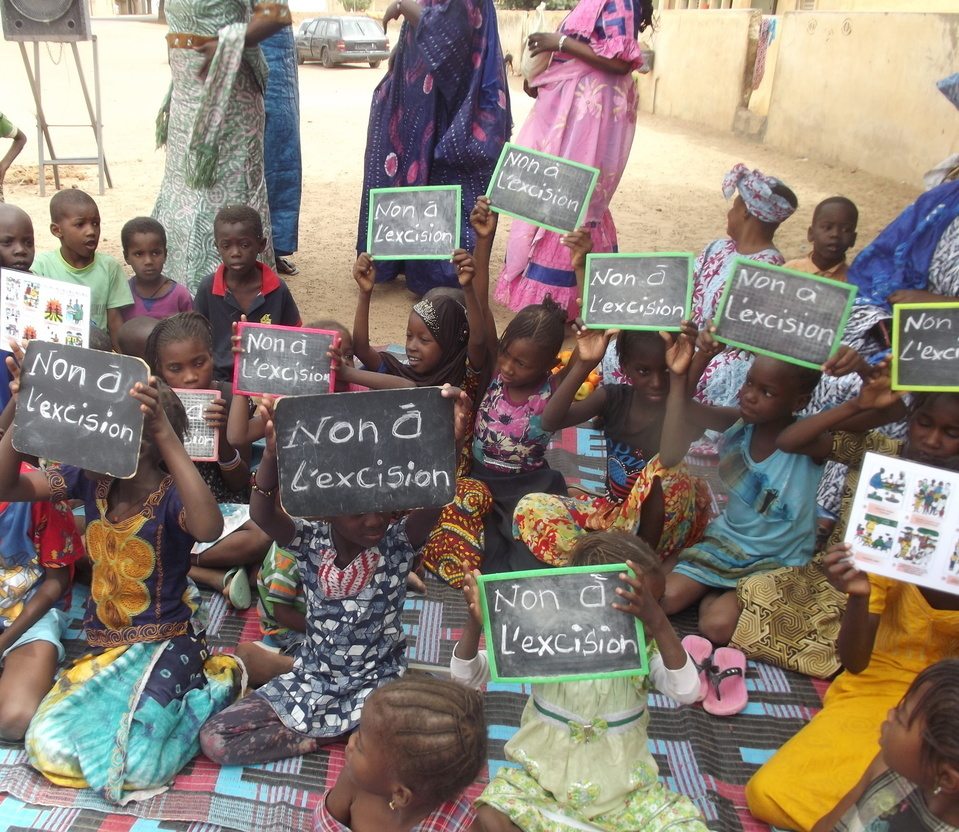
In island towns, girls are standing in circles, learning to say “no” — and mean it.
And because of your support, these voices are rising beyond the waves.
In Guinea-Bissau, hope walks quietly — but it walks forward.
Key Contributor #1: Associação dos Amigos da Criança (AMIC)
Rescuing Trafficked Children and Supporting Family Reintegration
Across Guinea-Bissau, AMIC is one of the few organizations working to identify, rescue, and rehabilitate children trafficked into forced labor or street begging. With deep community ties and trained social workers, AMIC intercepts children at borders and provides transitional shelter, legal support, and family reunification services.
They also train local authorities to identify trafficking cases and host radio broadcasts to educate families on safe migration and children’s rights. In collaboration with rural leaders, AMIC creates return plans that are safe, supported, and permanent.
For children once taken far from home, AMIC offers more than rescue — it offers belonging.
Key Contributor #2: TINIGUENA
Promoting Girls’ Rights and Sustainable Learning Through Community Empowerment
In remote regions and islands, TINIGUENA (“This Land Is Ours”) works with women and youth to support girls’ education, protect against early marriage, and create sustainable, child-centered communities. They offer scholarships, girls’ clubs, and gender workshops that include both boys and parents.
Their programs connect girls to traditional skills, environmental stewardship, and leadership training — all while advocating at the national level for stronger protections.
For every girl told her voice doesn’t matter, TINIGUENA makes space for her to rise — and lead.
Key Event #1: Child Return Caravan – Bafatá and Gabu
Reuniting Trafficked Children With Families and Schooling
In 2023, AMIC organized a Child Return Caravan to bring home 28 boys who had been trafficked into Senegal for forced begging disguised as religious education. After months of advocacy, the boys were released and escorted home by trained social workers.
The caravan included health checkups, trauma counseling, and family re-entry plans that ensured the boys wouldn’t be retrafficked. Teachers and local leaders gathered to welcome the children, and school reentry kits were handed out by community partners.
For many, it was their first safe homecoming in years — and the beginning of something new.
Key Event #2: Girls’ Learning Circle Launch – Bissagos Islands
Creating Safe Educational Spaces for Girls in Remote Areas
In 2024, TINIGUENA launched the first Girls’ Learning Circles in the Bissagos Islands, offering after-school mentorship, literacy support, and reproductive health education to girls at risk of early marriage or dropout.
The circles were hosted under tree shelters, with mothers volunteering as mentors and youth leaders guiding dialogue and creative expression. Topics ranged from consent and self-worth to storytelling and environmental care.
For girls who had never been asked what they wanted for their lives — the circle became their compass.
Top Nonprofits Across Guinea-Bissau
Meet the organizations defending dignity and restoring childhood in every corner of the country: