The Gambia: Defending Childhood Along the River of Dreams
Explore The Gambia:
Discover how children in Africa’s smallest mainland country are navigating early marriage, school dropout, and poverty — and how local champions are helping them stay safe, educated, and heard.
The Situation for Children in The Gambia
The Gambia is peaceful and proud, stretching like a ribbon along its river. But despite relative stability, its children face systemic barriers that prevent them from reaching their full potential. These are the three most urgent challenges they face:
High Rates of Early Marriage and Gender-Based Harm
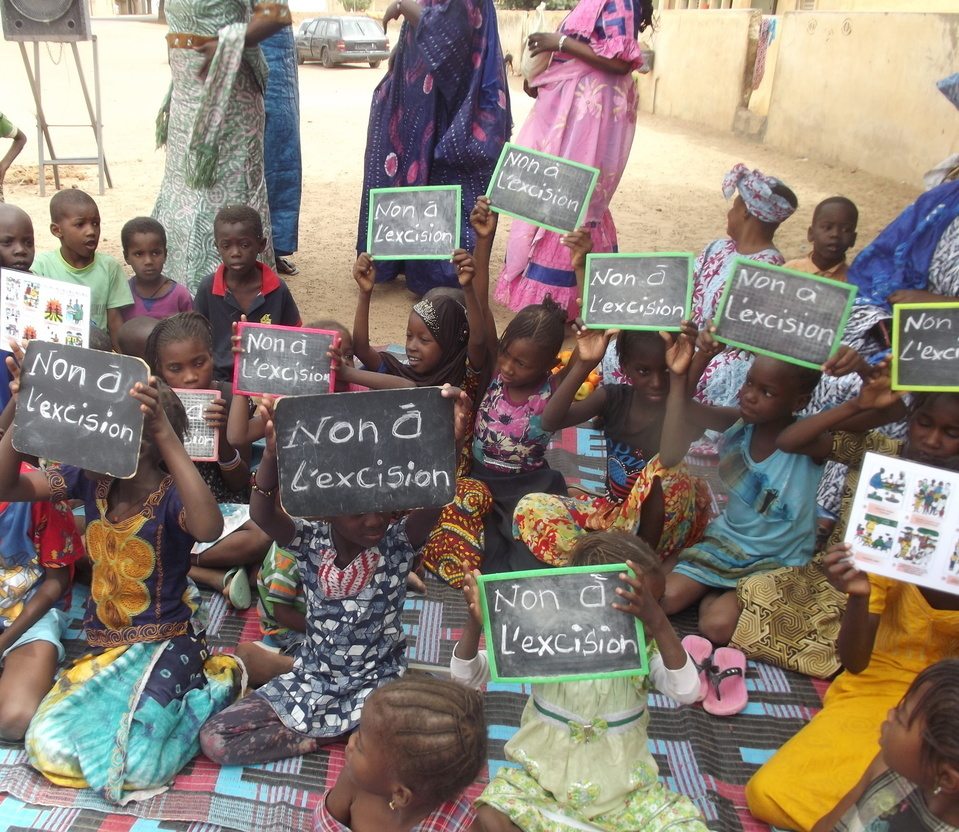
Nearly 1 in 3 girls is married before the age of 18. Harmful traditional practices like child marriage and FGM continue in some rural areas, limiting girls’ freedom, education, and safety.
School Dropout and Barriers to Rural Education
While access to primary education has expanded, poverty, long distances, and social pressure keep many children — especially girls — from staying in school. Secondary school attendance is still low in remote areas.
Child Poverty and Lack of Social Protection
Many children live in households with no stable income or social safety net. Child labor, food insecurity, and limited access to basic health care are common, especially outside Banjul.
Despite these challenges, Uganda’s children remain full of hope — dreaming of education, health, and opportunities for a better tomorrow.
How We Help Amplify Change in The Gambia
At iam4allkids.org, we stand with children whose voices are often dismissed — and the grassroots groups who protect them. In The Gambia, we elevate efforts to end early marriage, keep girls in school, and support children through poverty with dignity.
We:
Share stories of girls reclaiming their futures through education
Support safe spaces for children escaping harmful practices
Highlight rural education programs that bring learning to every village
We believe children in The Gambia deserve more than survival — they deserve respect, choice, and care.
Why The Gambia is One of Our Focus Countries
The Gambia’s children face challenges that don’t always make headlines — but still define their lives.
30% of girls are married before age 18, despite laws prohibiting child marriage
More than half of rural children drop out before secondary school
Many families rely on children to work or beg due to poverty
We believe every child — in every village and on every side of the river — deserves a real childhood.
A Message of Hope from The Gambia
Even with limited resources, love leads the way:
In dusty villages, girls are walking past marriage proposals and straight to school.
In community centers, survivors of child marriage are becoming mentors.
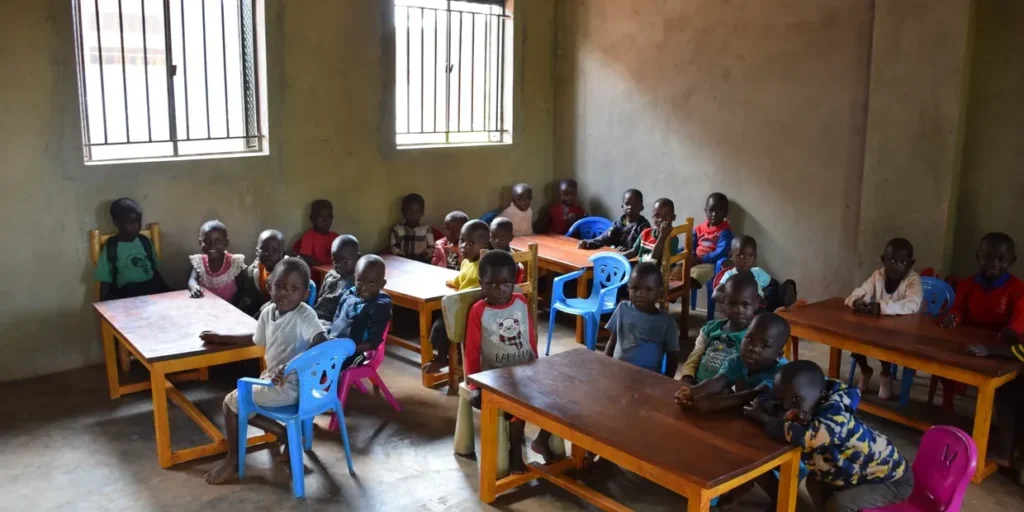
On riverbanks, classrooms made of wood and tin are full of laughter and learning.
Because of your support, these stories are spreading — and growing stronger.
In The Gambia, childhood is being reclaimed one brave step at a time.
Key Contributor #1: Safe Hands for Girls – Gambia Chapter
Ending FGM and Empowering Girls With Education and Voice
Founded by survivors, Safe Hands for Girls works across rural Gambia to end female genital mutilation (FGM) and early marriage through advocacy, education, and safe spaces. They provide counseling, school support, and leadership training for girls at risk.
The organization also engages religious leaders and parents to shift community norms and promote girls’ rights from within.
Their work is saving bodies, protecting futures, and changing minds.
Key Contributor #2: Concerned Youth Association (CYA)
Supporting Rural Youth Through Health, Education, and Advocacy
Operating in rural villages and river regions, CYA helps children and youth access reproductive health education, scholarships, and school retention support. They also organize youth dialogues around abuse, consent, and mental health.
With youth-led peer educators, CYA brings taboo topics into the open — and offers safe spaces for healing and growth.
They’re not just teaching — they’re listening, and responding.
Key Event #1: Girls' Caravan – Upper River Region
Taking Advocacy and Education Into the Heart of Rural Communities
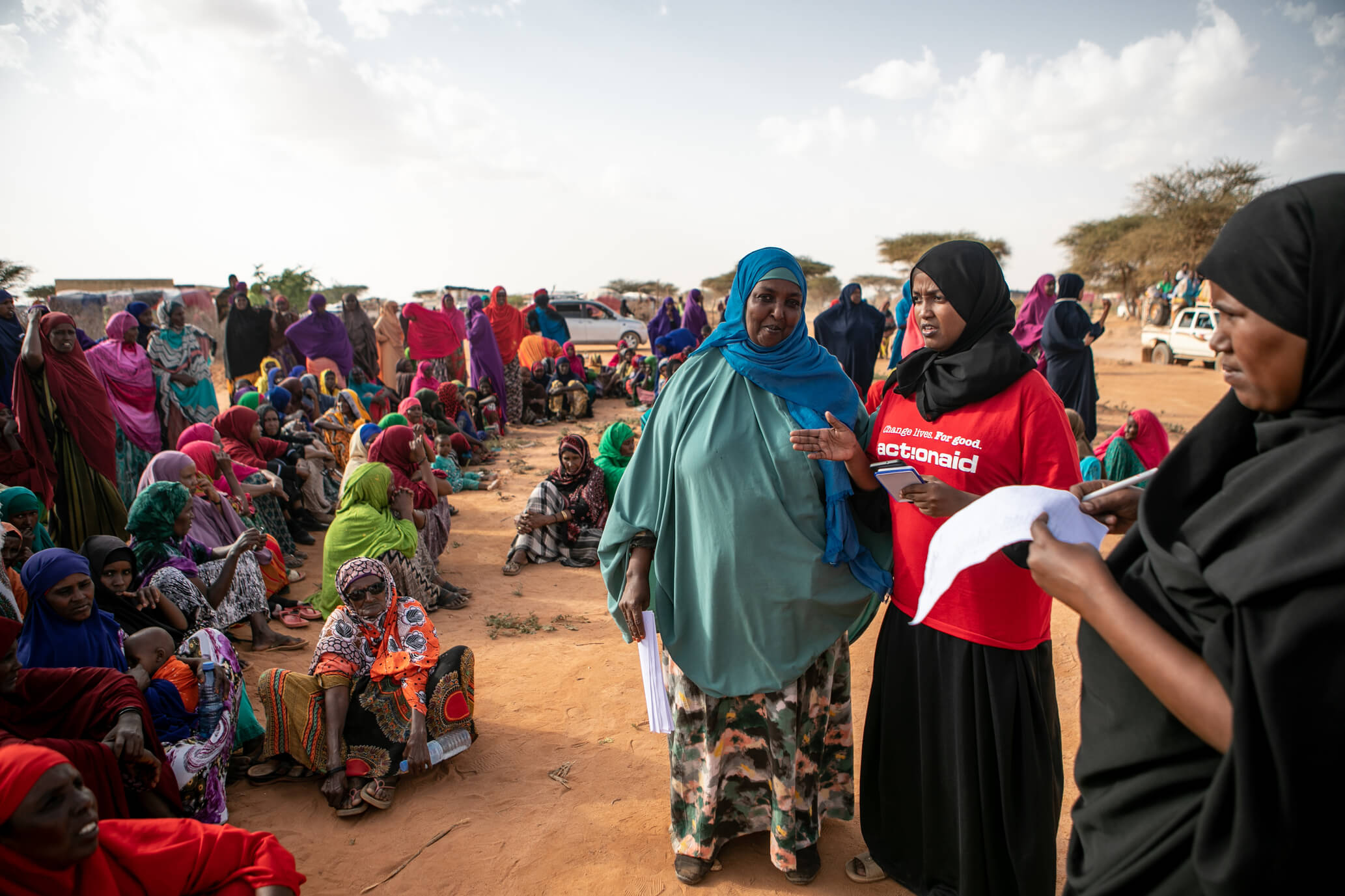
In 2023, Safe Hands for Girls organized the Girls’ Caravan, a mobile education and advocacy project that traveled to rural villages, holding workshops on early marriage, health, and girls’ rights.
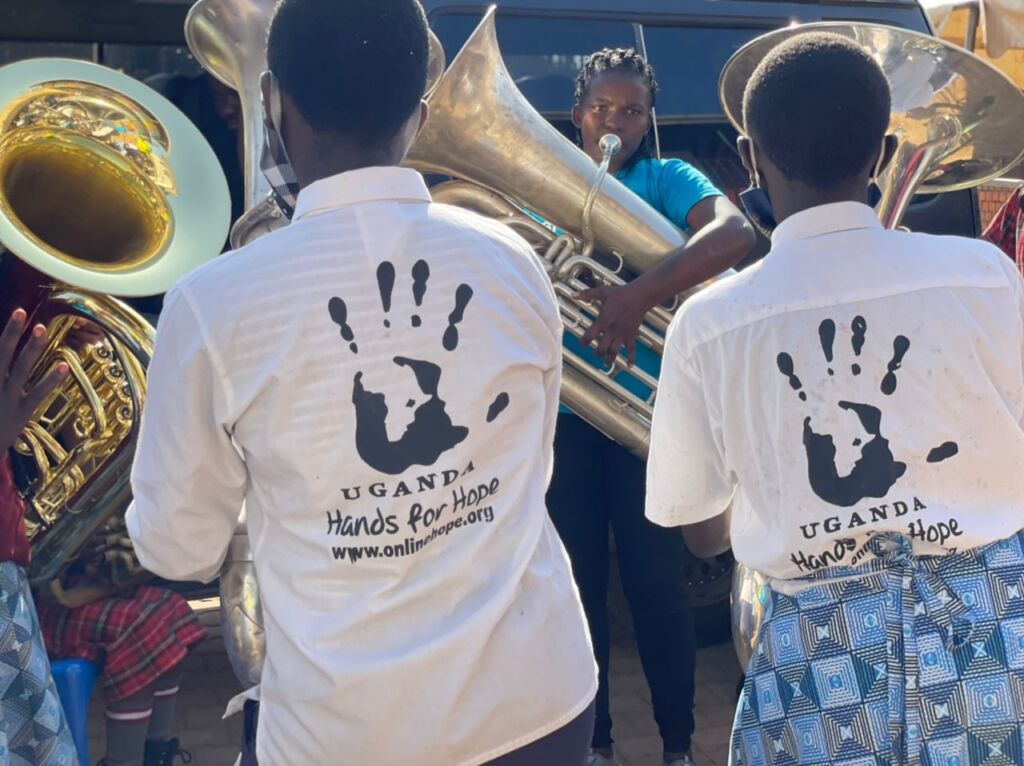
With songs, performances, and open forums, the caravan brought girls and parents together — many speaking publicly for the first time. Free learning materials were distributed, and dozens of girls were enrolled in school follow-up programs.
The caravan didn’t just raise awareness — it built trust, and inspired action.
Key Event #2: School Lunch Revival – Kiang West
Feeding Bodies and Minds to Keep Children in School
In 2024, local teachers and parents in Kiang West partnered with CYA to restart a defunct school lunch program that had once kept students enrolled. Using donations and local farm partnerships, they began serving rice, beans, and groundnut stew daily.
Attendance jumped within weeks. Children stayed for afternoon lessons and returned more energized.
The program proved that sometimes the path to education starts with a full stomach.
Top Nonprofits Across The Gambia
Meet the ten organizations making extraordinary strides in improving the lives of Gambia’s children — one community at a time.