Gabon: Building a Brighter Future Beyond the Capital
Explore Gabon:
Discover how children in one of Africa’s wealthiest nations by natural resources are still struggling with inequality, exclusion, and silence — and meet the local changemakers working to ensure every child is seen and supported.
The Situation for Children in Gabon
Gabon is rich in forests and oil, but many of its children grow up disconnected from the country’s progress. For those outside the capital, in informal settlements, or living with disabilities, opportunity is often out of reach. These are the three most urgent issues children face:
Inequality in Education Access and Retention
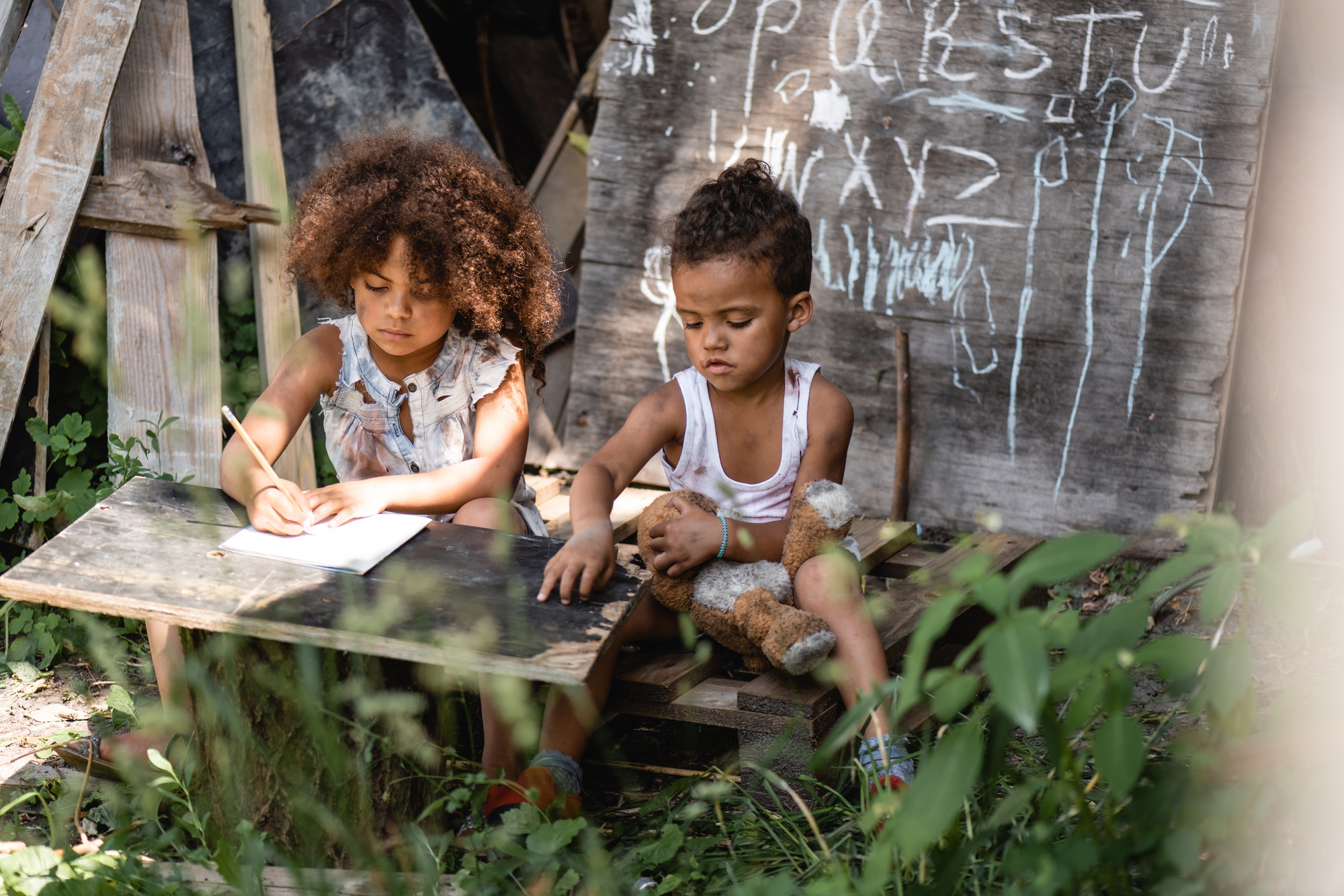
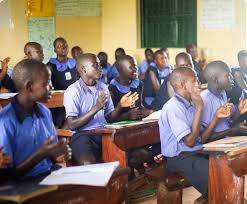
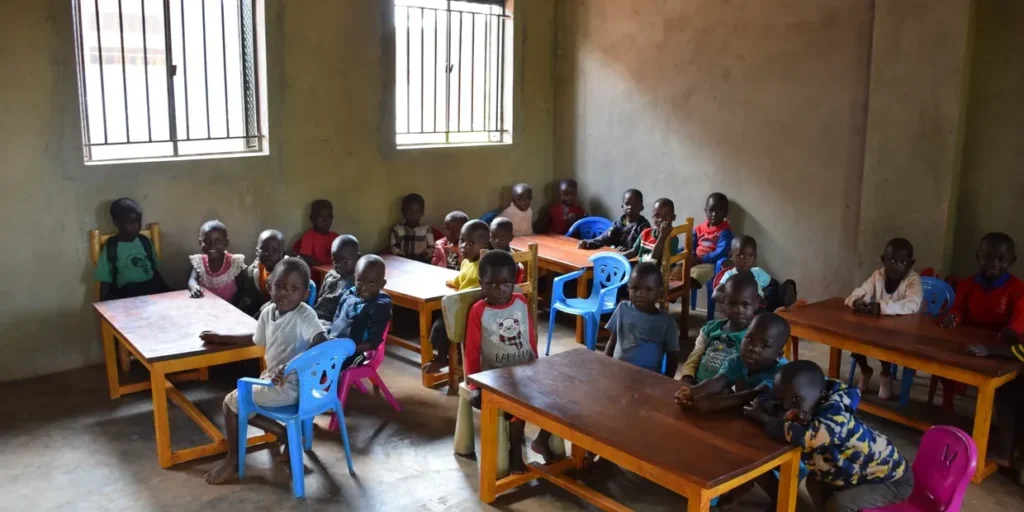
While Gabon boasts high urban literacy rates, many rural schools are under-resourced, and dropout rates remain high. Girls, disabled children, and children in remote villages often fall through the cracks.
Neglect and Abuse in Institutional Care
Many children without family support end up in state-run institutions with poor oversight. Reports of physical abuse, emotional neglect, and lack of schooling are common — with few avenues for justice or reform.
Silence Around Abuse, Disability, and Mental Health
Cultural taboos prevent open dialogue about abuse, trauma, and neurodiversity. Children with disabilities often remain invisible — excluded from school and public life, without support or understanding.
Despite these challenges, Uganda’s children remain full of hope — dreaming of education, health, and opportunities for a better tomorrow.
How We Help Amplify Change in Gabon
At iam4allkids.org, we focus on the children too often overlooked: those growing up in silence, those labeled as “too different,” and those surviving without families. In Gabon, we support the organizations working quietly — but powerfully — to include, educate, and protect.
We:
Highlight education programs that reach beyond city centers
Share the stories of children living in institutions, shelters, and alternative care
Support organizations breaking the silence around abuse and disability through community healing
In a country of natural wealth, we believe every child deserves a share of dignity and opportunity.
Why Gabon is One of Our Focus Countries
Gabon has the resources to support its children — but far too many are still left behind.
Many rural and marginalized children never complete basic schooling
Children in orphanages often face unsafe conditions without protection
Disabilities are misunderstood, and mental health remains unspoken
We believe Gabon’s children deserve more than survival — they deserve voice, visibility, and care.
A Message of Hope from Gabon
Even in silence, children are speaking — and being heard:
In Libreville’s poorest neighborhoods, safe houses are giving abused children a place to heal and restart school.
In rural provinces, community schools are keeping kids enrolled through gardens, meals, and storytelling.
Children with disabilities are gaining confidence in small inclusive learning centers — where no one is turned away.
Thanks to your support, these stories are reaching beyond borders.
Hope in Gabon isn’t loud — but it is real, growing, and ready to rise.
Key Contributor #1: Arc-En-Ciel Gabon
Creating Safe Spaces for Vulnerable Children in Crisis
Operating in Libreville and surrounding communities, Arc-En-Ciel Gabon supports children affected by abuse, homelessness, and family breakdown. The organization runs a shelter that provides temporary housing, trauma counseling, legal advocacy, and school reintegration.
Social workers also engage families, helping prevent future abuse and restore safe home environments when possible. Their goal isn’t just rescue — it’s restoration.
For children who felt invisible, Arc-En-Ciel becomes a home, a school, and a promise of safety.
Key Contributor #2: ONG MINJE
Breaking the Silence Around Disability and Child Inclusion
ONG MINJE (Mouvement Inclusif pour la Jeunesse) advocates for the rights of children with disabilities, offering early intervention programs, caregiver training, and inclusive play-based learning in underserved regions of Gabon.
They also run awareness campaigns to reduce stigma around neurodiversity and visible disabilities, and work with teachers to build more inclusive classrooms.
For many families, MINJE is the first organization that looks at their child — and sees possibility, not limitation.
Key Event #1: Healing Through Play – Port-Gentil
Helping Children Recover From Abuse and Neglect With Play Therapy
In 2023, Arc-En-Ciel launched Healing Through Play, a therapeutic day program for children living in shelters or recovering from trauma. Guided by social workers and educators, children explored their emotions through dance, painting, roleplay, and cooperative games.
The program gave children the tools to build trust, process grief, and regain a sense of joy. It also offered caregivers training on how to support trauma recovery at home.
For many children, this was their first experience with safe play.
Key Event #2: Inclusive Learning Festival – Haut-Ogooué Province
Bringing Together Families, Educators, and Children With Disabilities
Held in 2024, the Inclusive Learning Festival celebrated disability inclusion in early education. Organized by ONG MINJE, the event featured adaptive learning stations, inclusive sports, caregiver forums, and training for rural teachers on how to support children with special needs.
Children with disabilities led performances and workshops, showing their talents and building confidence. Parents shared stories of isolation — and new connection.
The festival didn’t just raise awareness — it planted seeds of systemic change.
Top Nonprofits Across Gabon
Meet the ten organizations making extraordinary strides in improving the lives of Gabon’s children — one community at a time.