Eswatini: Protecting Childhood in the Shadow of Loss and Inequality
Explore Eswatini:
Discover how children in Africa’s last absolute monarchy are growing up amid HIV, poverty, and stigma — and meet the local changemakers creating space for healing, learning, and belonging.
The Situation for Children in Eswatini
Eswatini (formerly Swaziland) has one of the highest HIV rates in the world, leaving hundreds of thousands of children orphaned or vulnerable. Though peaceful and stable in many ways, the country faces deep inequality and limited access to youth-centered care. These are the three most urgent challenges facing children today:
Orphanhood and the Impact of HIV/AIDS
Over 45% of Eswatini’s children have lost one or both parents, mostly due to HIV/AIDS. Many live with elderly relatives or head households themselves, often without consistent emotional or financial support.
Stigma and Silence Around Mental Health and Abuse
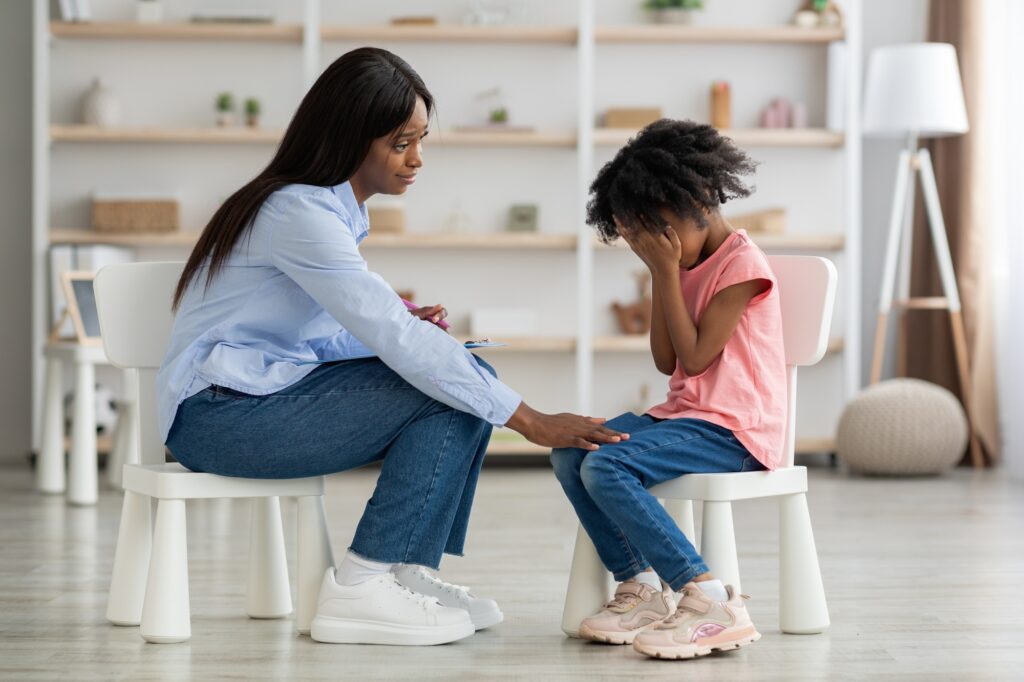
Children affected by grief, trauma, or abuse rarely receive counseling. Cultural taboos often prevent children from speaking about mental health or sexual violence, leaving many to suffer in silence.
Barriers to Quality Education for Rural and Poor Youth
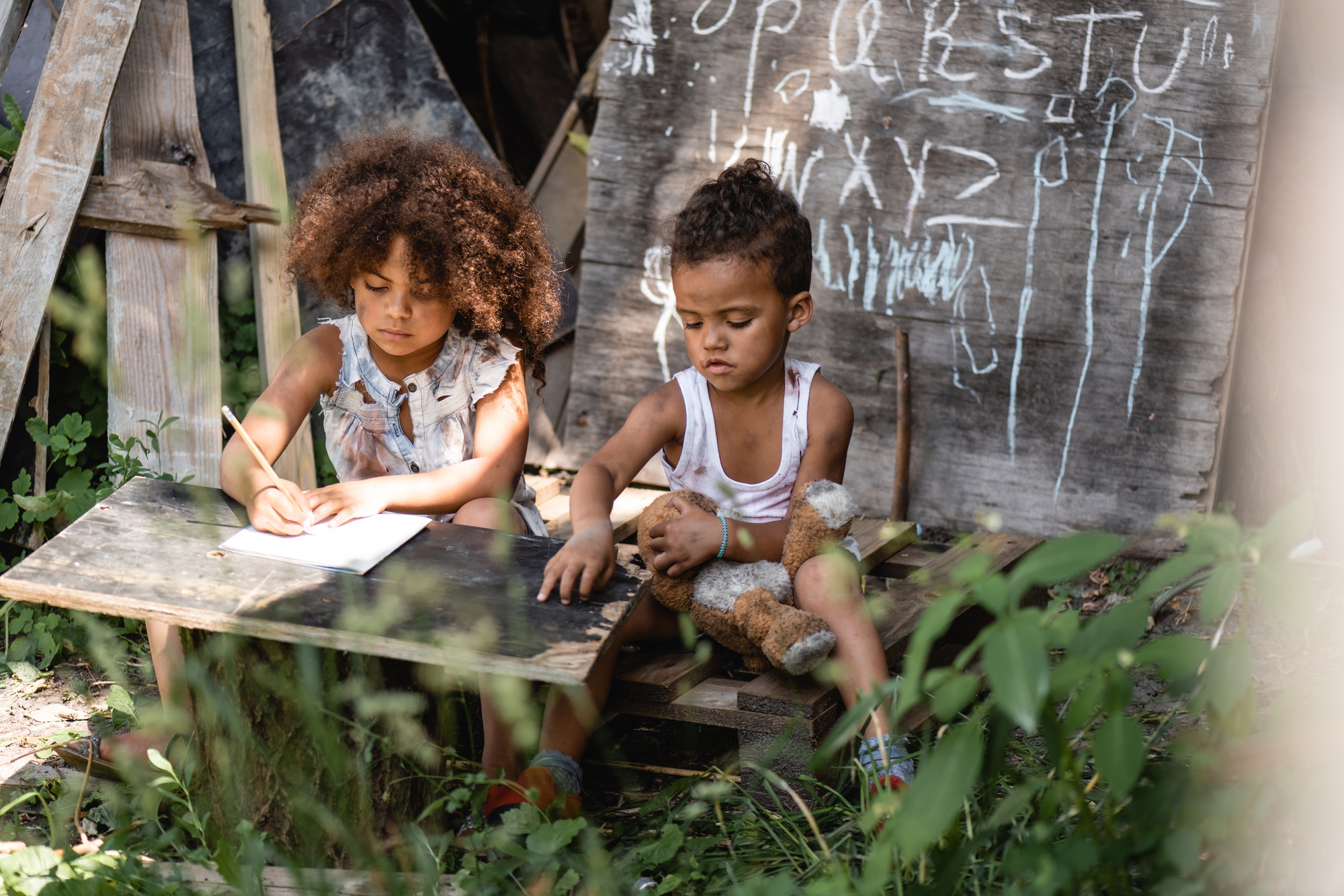
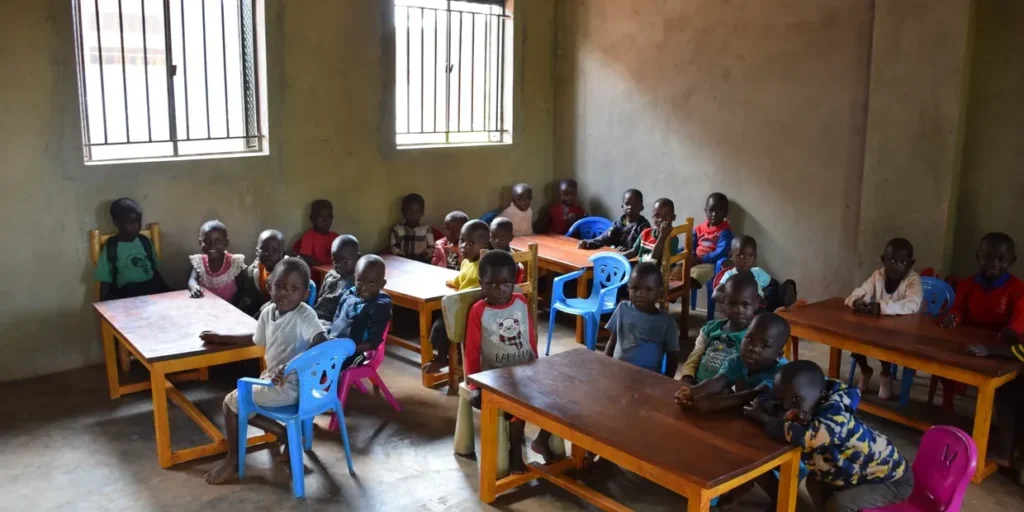
While primary education is technically free, costs for uniforms, transportation, and food keep many rural children out of school. Classrooms are overcrowded, and children with disabilities are often excluded altogether.
Despite these challenges, Uganda’s children remain full of hope — dreaming of education, health, and opportunities for a better tomorrow.
How We Help Amplify Change in Eswatini
At iam4allkids.org, we support the children whose pain is often invisible — and the people who quietly show up every day to help. In Eswatini, we elevate the local leaders building safe spaces, educating orphans, and healing wounds no child should carry alone.
We:
Support community schools, orphan outreach programs, and trauma-informed learning centers
Share the stories of children navigating loss and rebuilding joy through connection
Amplify local efforts to break silence around abuse, grief, and mental health
Where the system falls short, communities step up — and we’re here to help them be seen.
Why Eswatini is One of Our Focus Countries
Eswatini’s children are growing up with enormous strength — but still without enough support.
Nearly half of children are considered vulnerable due to HIV’s long-term impact
Abuse, trauma, and mental illness are rarely addressed in schools or homes
Inequality continues to leave rural and orphaned children behind
We believe Eswatini’s children deserve more than survival. They deserve safety, belonging, and love.
A Message of Hope from Eswatini
Even through grief, children in Eswatini are rising:
In dusty villages, grandmothers are raising orphans — and teachers are tutoring them after hours.
In small centers, girls are finding the words to name what they’ve lived through — and the strength to begin again.
Across hills and homesteads, youth are walking miles to school, fueled by belief in something better.
And because of your support, these stories are reaching the world.
Hope in Eswatini is quiet, steady — and rooted in love.
Key Contributor #1: SOS Children’s Villages Eswatini
Giving Orphans a Home, Education, and a Future
Across the country, SOS Children’s Villages Eswatini provides long-term care, family-style housing, and education to children who have lost one or both parents. Each child is placed in a home with a dedicated caregiver, offering not just shelter, but consistency and emotional safety.
The organization also runs schools and vocational training centers to prepare children for independent futures. Community outreach teams help families at risk avoid collapse due to poverty or illness.
For children left behind by crisis, SOS is a place where healing — and growing — begins.
Key Contributor #2: Kwakhanya Life Project
Restoring Emotional Health Through Mentorship and Counseling
Founded by local teachers and social workers, Kwakhanya Life Project runs peer mentorship programs, trauma counseling groups, and safe spaces for youth navigating grief, mental illness, or abuse.
The project trains older youth to support younger children through storytelling, conflict resolution, and emotional check-ins. Counselors guide group therapy sessions in schools and communities, often being the first people to ask, “How are you — really?”
Their work helps children understand that vulnerability isn’t weakness — it’s the beginning of healing.
Key Event #1: Village Hope Clubs – Shiselweni Region
Bringing Laughter and Learning to Orphaned Children
In 2023, volunteers in the rural Shiselweni region launched Village Hope Clubs — weekly gatherings for orphaned and vulnerable children where they could play, eat, learn, and just be kids again.
Each club offered games, songs, tutoring, and hot meals — plus small group discussions about life challenges and goals. Grandparents and neighbors helped prepare food and tell local stories.
For many children, the clubs became their only consistent space of joy, nourishment, and encouragement.
Key Event #2: Safe Voices Campaign – Mbabane
Breaking the Silence Around Child Abuse and Mental Health
Held in 2024, the Safe Voices Campaign brought together survivors, students, artists, and activists for a public event focused on child protection and emotional well-being. The event included poetry readings by survivors, street murals painted by youth, and mental health awareness workshops for caregivers.
Speakers shared how trauma had shaped them — and how talking saved them. Child counselors offered free, confidential sessions for attendees.
The event sparked nationwide dialogue, reminding everyone that silence helps no one — and that every child deserves to be heard.
Top Nonprofits Across Eswatini
Meet the ten organizations making extraordinary strides in improving the lives of Eswatini’s children — one community at a time.