Tunisia: Rebuilding Trust and Safety for a New Generation
Explore Tunisia:
Amid rising inequality and social unrest, children in Tunisia face silent struggles — from abuse and neglect to school exclusion and emotional pain. Learn how local changemakers are creating safe spaces and restoring hope.
The Situation for Children in Tunisia
Tunisia has made strides in health and education, but persistent inequality and social disconnection leave many children vulnerable. Economic instability, discrimination, and family breakdowns continue to create risks that often go unseen. These are the three most urgent challenges:
Child Abuse and Lack of Trust in Protection Systems
Reports of physical, emotional, and sexual abuse are increasing, but many families are afraid to report or don’t believe the system will help. Children often suffer in silence without legal, psychological, or safe shelter support.
School Dropout and Youth Disengagement
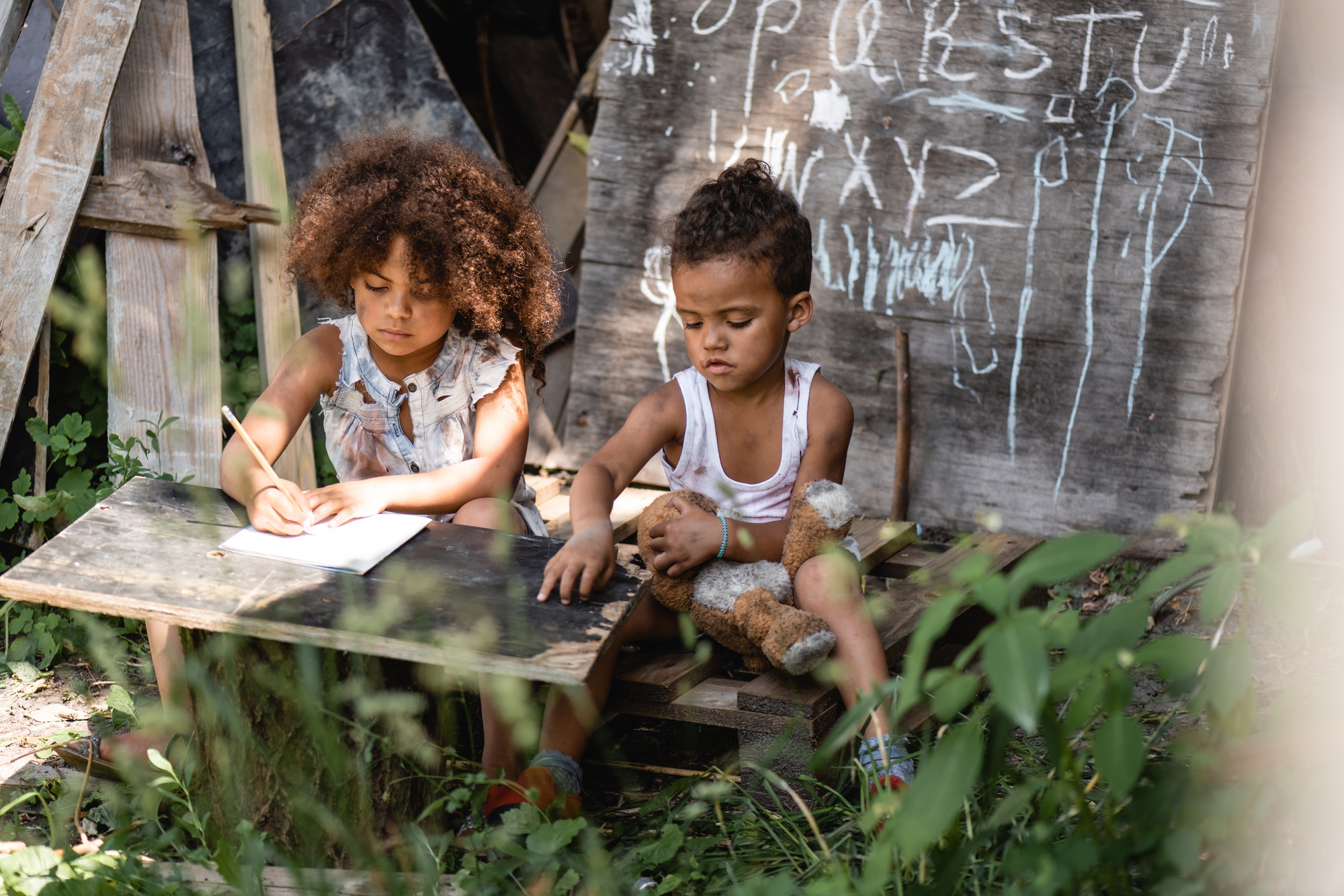
Thousands of children leave school early due to poverty, academic pressure, or lack of support. Once they leave, many feel directionless, leading to social isolation or involvement in dangerous environments.
Mental Health Neglect and Stigma
Depression, anxiety, and trauma are common, especially among youth affected by violence, poverty, or neglect. Mental health services for children remain limited, and social stigma keeps many from seeking help.
Despite these challenges, Uganda’s children remain full of hope — dreaming of education, health, and opportunities for a better tomorrow.
How We Help Amplify Change in Tunisia
At iam4allkids.org, we focus on the children whose stories are too often ignored. In Tunisia, we support the quiet heroes working in homes, schools, and clinics to restore childhood and hope.
We:
Share real stories from children recovering from abuse, silence, and school loss
Highlight safe spaces, emotional support programs, and reintegration services
Promote awareness and advocacy for child rights and mental well-being
In Tunisia, healing starts with trust — and trust starts with being seen.
Why Tunisia Is One of Our Focus Countries
Beneath Tunisia’s political shifts, many children are still left without support.
Over 70 percent of abuse cases go unreported
Youth unemployment and school dropout rates are among the highest in North Africa
Mental health services for children are critically limited outside of major cities
We believe the children of Tunisia deserve not just safety, but recognition and care.
A Message of Hope From Tunisia
Even where pain runs deep, change is growing stronger:
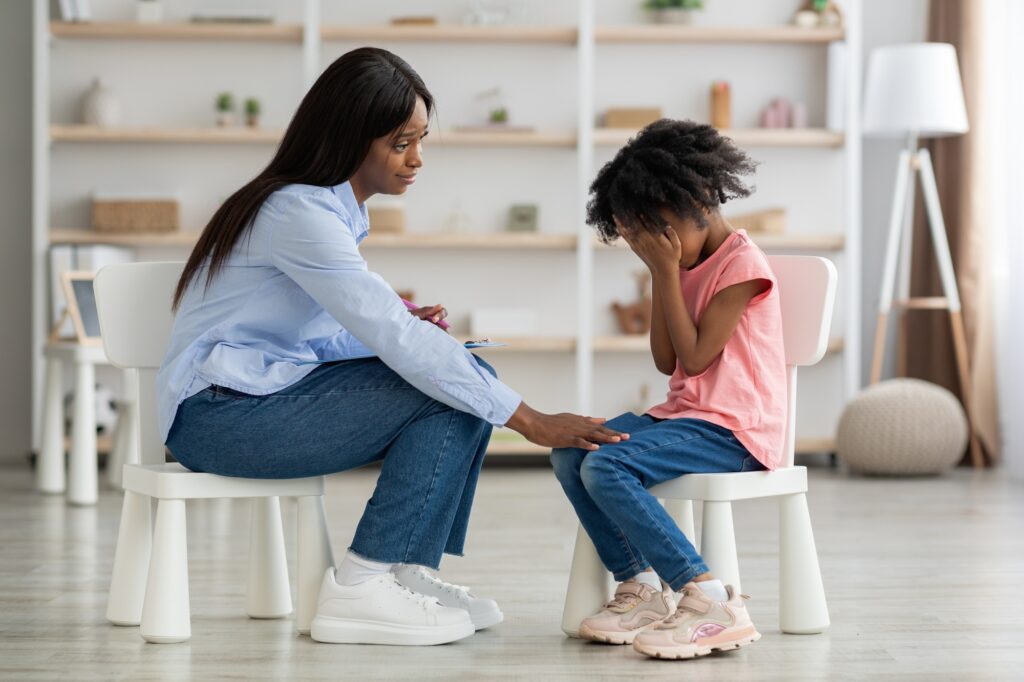
In quiet counseling rooms, children are learning to name what hurt them
In schools once left behind, dropouts are returning to finish what they started
In youth centers, teens are using art and storytelling to claim their voice
And because of your support, Tunisia’s children are no longer invisible
Here, hope is healing — and healing is power.
Key Contributor #1: Amal Association for the Family and Child
Providing Safety, Counseling, and Legal Support for Abused and Abandoned Children
Amal Association offers direct care for children who have suffered abuse, neglect, or abandonment. Their center in Monastir provides emergency shelter, psychological counseling, and legal advocacy to help children navigate recovery and reintegration. Many of the children they serve come from homes marked by violence or poverty and arrive with deep emotional wounds. Amal’s trained staff create a stable, nurturing environment where children can feel protected, listened to, and empowered. Their work not only saves lives, but it restores dignity.
Key Contributor #2: Youth Without Borders (Jeunes Sans Frontières – JSF)
Reengaging Out-of-School Youth Through Education and Mental Health Support
Youth Without Borders works with adolescents who have dropped out of school or are struggling with social exclusion and mental health challenges. Their team runs mentorship programs, civic education sessions, and mobile mental health clinics in underserved neighborhoods. Through group therapy, peer leadership, and life skills workshops, JSF gives youth the tools to heal emotionally and re-enter school or job training. Many of their participants say it’s the first time someone believed in them. At JSF, healing comes through connection and purpose.
Key Event #1: Safe Haven Week – Monastir Shelter Program
Providing Emergency Care and Hope for Children Escaping Abuse
In 2023, Amal Association held a Safe Haven Week for newly admitted children who had recently fled abusive households. Each child received a welcome kit, warm meals, and a health check, followed by age-appropriate counseling and creative play therapy. Staff created daily routines with storytelling, drawing, and shared group circles that helped children process fear and feel comfort. By the end of the week, many had begun smiling again — and trusting adults for the first time in years. The event marked a new beginning for children who had known only fear.
Key Event #2: Mental Health Caravan – Kasserine and Sfax Regions
Delivering Emotional Support and School Reentry Services to Isolated Youth
In early 2024, Youth Without Borders launched a mobile mental health caravan to reach out-of-school adolescents in the Sfax and Kasserine regions. The caravan offered therapy sessions, support groups, and reintegration planning for youth who had dropped out or experienced emotional trauma. Local volunteers helped run art workshops and storytelling circles where participants could express what they had experienced. In each stop, youth were connected with school counselors or vocational programs. The caravan turned silence into solidarity.
Top Nonprofits Across Tunisia
Meet the organizations turning quiet pain into powerful change: