South Sudan: Protecting Childhood in the Aftermath of War
Explore South Sudan:
From flooded camps to recovering villages, children are growing up amid crisis. But in the middle of conflict and chaos, communities are fighting to give them safety, voice, and hope.
The Situation for Children in South Sudan
South Sudan is the world’s youngest country, and one of the most dangerous places to be a child. Years of civil war, displacement, and hunger have left generations without security or opportunity. These are the three most urgent challenges:
Child Soldiers and Armed Group Recruitment
Thousands of children have been forcibly recruited into armed groups or militias. Many are used as fighters, cooks, porters, or “wives” — robbed of their childhood and often traumatized by what they witness.
Displacement and Lack of Access to Education
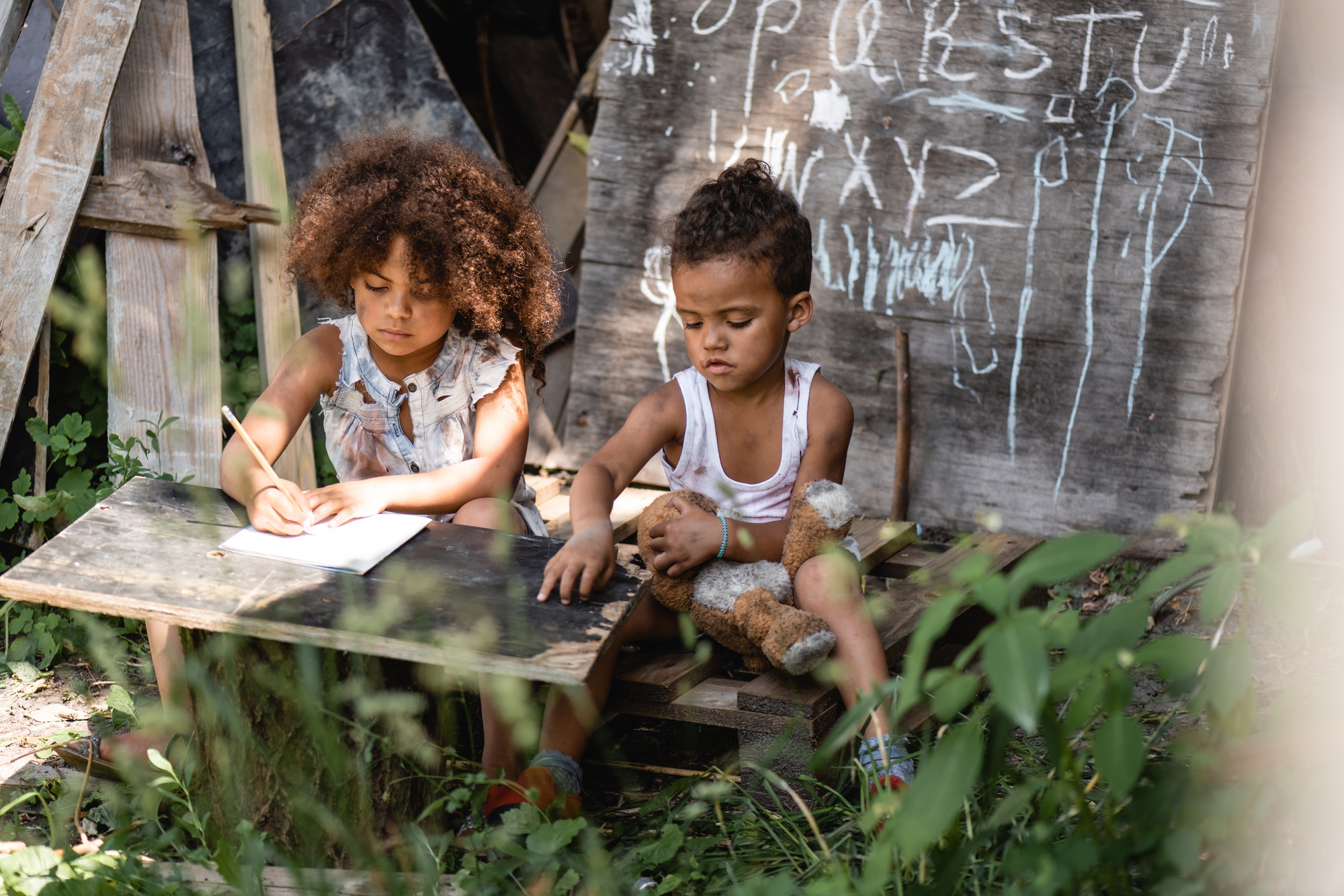
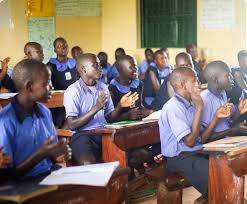
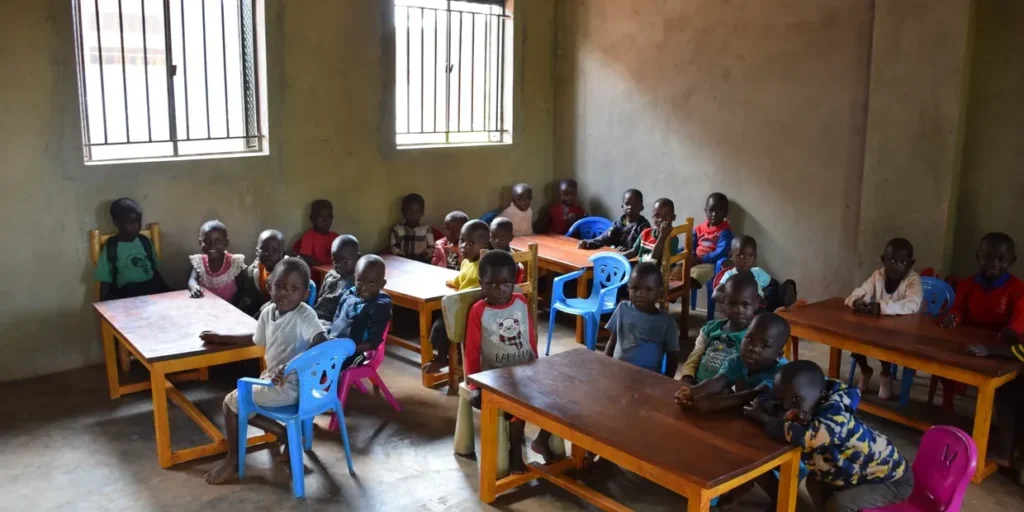
Millions of children live in temporary camps or flooded villages without access to school. Some have never seen a classroom. Others have missed years of learning due to violence, floods, or poverty.
Malnutrition and Collapse of Health Services
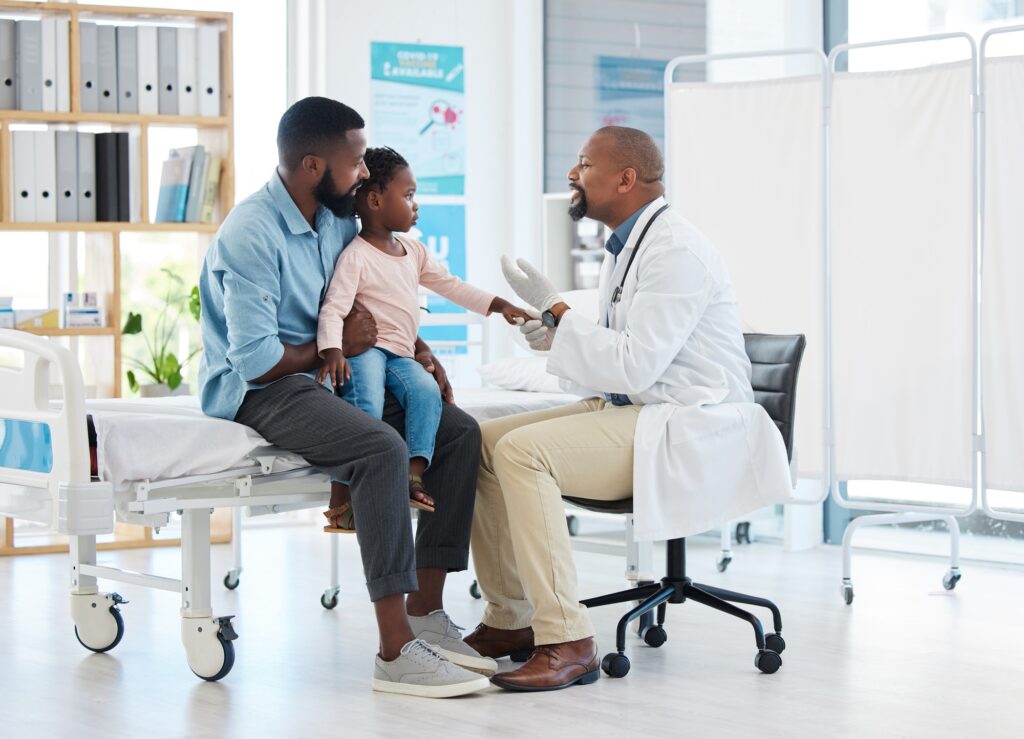
One in ten children suffers from severe acute malnutrition. With few functioning hospitals or clinics, treatable diseases like malaria, diarrhea, and pneumonia often go untreated.
Despite these challenges, Uganda’s children remain full of hope — dreaming of education, health, and opportunities for a better tomorrow.
How We Help Amplify Change in South Sudan
At iam4allkids.org, we give voice to children who have grown up surrounded by instability. In South Sudan, we highlight the people and programs helping them survive conflict — and reclaim the right to learn, heal, and grow.
We:
Share stories of former child soldiers, displaced youth, and young survivors of hunger
Support grassroots trauma recovery, mobile schools, and child protection services
Promote visibility for the quiet work rebuilding childhood from the ground up
Even in places with no roads or electricity, change is taking root.
Why South Sudan Is One of Our Focus Countries
The children of South Sudan carry the weight of a country still struggling to find peace.
Over 2 million children are displaced within or outside the country
At least 19,000 children have been recruited by armed actors since 2013
Half of all health facilities are non-functional or destroyed, leaving children without care
We believe these children deserve more than survival. They deserve dignity, safety, and a future built on peace.
A Message of Hope From South Sudan
Even in places marked by war, childhood is finding its way back:
In muddy camps, girls are writing their names for the first time
In makeshift classrooms, former child soldiers are raising their hands instead of weapons
In flood-affected villages, parents are planting crops and sending their kids to mobile clinics
And because of your support, South Sudan’s children are not being forgotten
Here, every step forward is a quiet act of courage.
Key Contributor #1: Hold the Child
Supporting Orphans, Displaced Youth, and Survivors of Trauma
Hold the Child provides care and protection for children who have lost their families due to war or disease. Their programs include foster care placement, community-based counseling, and emergency education for children living in camps. Staff members work closely with local leaders to locate vulnerable children and help them find safe, stable homes. They also train caregivers and teachers in trauma-informed support to ensure children begin to heal. In a country where loss is everywhere, Hold the Child offers belonging.
Key Contributor #2: Confident Children out of Conflict (CCC)
Reintegrating Former Child Soldiers and Children in Armed Conflict
CCC runs a residential care home, school access programs, and family reintegration services for children impacted by armed conflict. Many of the youth they support were once used by militias or separated from their families in war. CCC gives them a new path — through education, therapy, and mentorship. Their staff also advocates for laws that protect children from future recruitment and exploitation. At CCC, recovery is not only possible — it’s personal.
Key Event #1: Child Soldier Reintegration Camp – Juba Region
Helping Youth Transition From War to School
In 2023, CCC hosted a six-week reintegration camp for youth recently released from armed groups. Participants received medical care, trauma counseling, and daily lessons focused on literacy, peacebuilding, and community trust. Older boys joined apprenticeships in tailoring, agriculture, and construction. For many, it was the first time they slept in peace or used a pencil. The camp gave them more than skills — it gave them back their identity.
Key Event #2: Mobile School Program Launch – Bentiu Camp
Delivering Education to Children Living in Displacement Camps
In early 2024, Hold the Child partnered with local volunteers to open a mobile school program in Bentiu, one of the largest displacement camps in the country. Using tents and solar-powered supplies, teachers offered lessons in reading, math, and storytelling to over 300 children. Parents were invited to participate in learning circles and encouraged to keep their children enrolled. Despite rain, noise, and heat, children showed up every day with joy. This project turned a forgotten corner of a refugee camp into a place of learning and pride.
Top Nonprofits Across South Sudan
Meet the organizations helping children reclaim safety, education, and hope in the hardest conditions: