Uganda: Creating Safe Pathways for the Next Generation
Explore Uganda :
In vibrant villages and crowded cities, children face risks from poverty, violence, and neglect. But across the country, local leaders are standing up to protect them — and rewrite their future.
The Situation for Children in Uganda
Uganda is a country with remarkable resilience and youthfulness, but its children still face serious barriers to opportunity and protection. In both urban and rural areas, poverty, family instability, and underfunded services have left millions at risk. These are the three most urgent challenges:
Child Abuse and Family Breakdown
Cases of child neglect, domestic violence, and sexual abuse are widespread. Many children live in unsafe households or on the streets, with little access to justice or recovery services.
School Dropout and Teenage Pregnancy
Many girls drop out of school due to early pregnancy, forced marriage, or financial hardship. Boys also leave school to work or due to overcrowded classrooms and lack of support.
Street Children and Urban Vulnerability
In cities like Kampala and Gulu, thousands of children live on the streets, exposed to exploitation, hunger, and criminalization. Many are displaced by family loss or conflict.
Despite these challenges, Uganda’s children remain full of hope — dreaming of education, health, and opportunities for a better tomorrow.
How We Help Amplify Change in Uganda
At iam4allkids.org, we uplift the voices of children surviving abuse, street life, and school exclusion. In Uganda, we highlight the nonprofits creating new paths to safety, education, and belonging.
We:
Share stories of girls returning to school after pregnancy or abuse
Support shelters, youth centers, and reintegration services for street-connected children
Promote trauma healing, child rights, and family strengthening programs
In Uganda, every safe space created is a seed of transformation.
Why Uganda is One of Our Focus Countries
Uganda’s population is over 50 percent children — and their needs are urgent.
Over 13,000 children live on the streets of Kampala alone
One in four girls gives birth before age 18
Many survivors of abuse never receive legal or emotional support
We believe that every Ugandan child should grow up feeling protected, valued, and free to pursue their dreams.
A Message of Hope from Uganda
Even in the hardest places, love and care are growing stronger:
In quiet homes, girls who once dropped out are back in uniform and smiling
In city shelters, boys are sleeping in beds for the first time in years
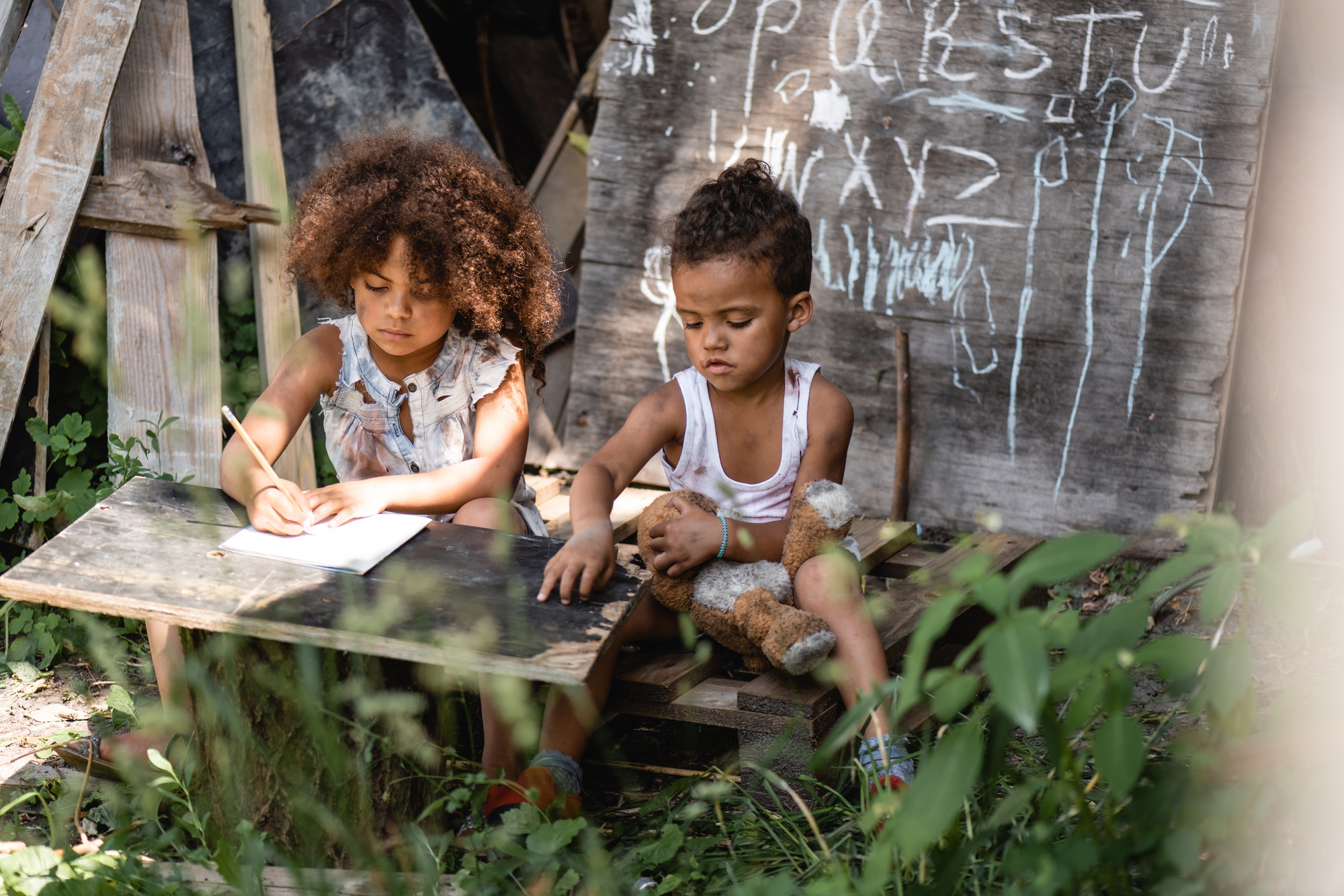
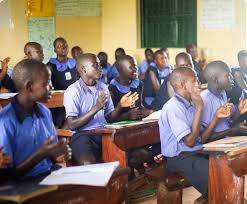
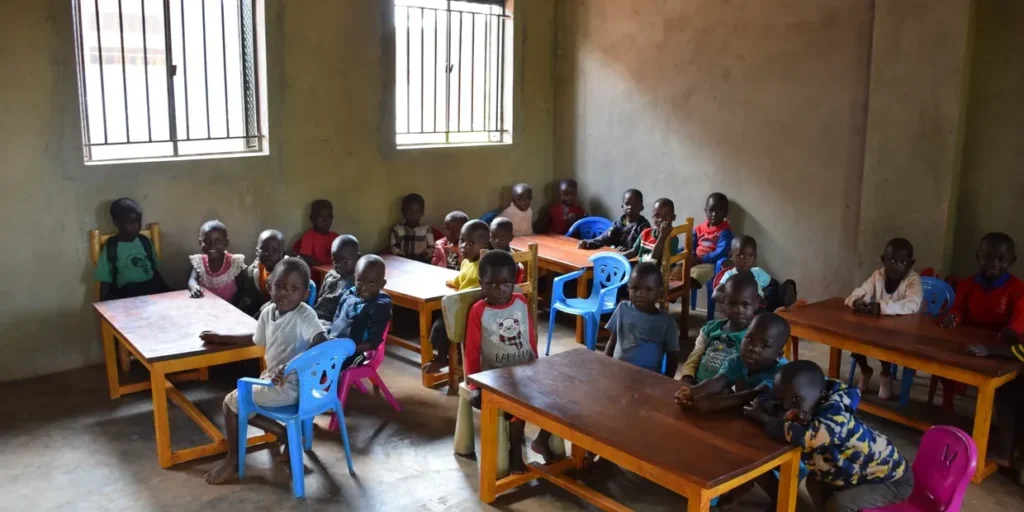
In rural classrooms, children are sharing pencils, laughter, and new dreams
And because of your support, Uganda’s children are finding their voice again
Here, healing is not a dream — it’s becoming real.
Key Contributor #1: Uganda Child Rights NGO Network (UCRNN)
Strengthening Protection Systems and Advocacy for Every Child
UCRNN is a national network of child-focused nonprofits working to protect children from abuse, neglect, and exploitation. They provide technical support, advocacy training, and legal referrals for cases involving sexual violence, child labor, and family abandonment. In high-risk communities, UCRNN leads awareness campaigns that teach parents and children about their rights and options. They also push for national reforms to improve legal follow-through and expand child-friendly services. UCRNN is helping build a future where every child is legally protected and socially supported.
Key Contributor #2: Dwelling Places Uganda
Rehabilitating Street-Connected Children With Care, Education, and Family Reunification
Dwelling Places rescues and rehabilitates children living on the streets of Kampala and neighboring districts. Their team offers food, shelter, trauma counseling, and transitional education, followed by long-term family reintegration. They conduct family tracing and hold community dialogues to ensure children are welcomed back safely and sustainably. In cases where family reunification isn’t possible, Dwelling Places provides vocational training and mentorship. Their work ensures that every child they reach feels human again — not forgotten.
Key Event #1: Street Rescue and Reunification Week – Kampala
Helping Street Children Return to Safety and Stability
In 2023, Dwelling Places led a coordinated week-long rescue campaign for street-connected children across Kampala. Dozens of children were identified through outreach and invited to temporary shelters where they received warm meals, medical care, and personal support. Social workers initiated family tracing and made follow-up visits to evaluate safety for reunification. Several children were able to return home with long-term monitoring and school enrollment. The campaign proved that with compassion and consistency, new beginnings are possible.
Key Event #2: National Child Protection Dialogue – Gulu District
Strengthening Local Child Safeguarding Through Policy and Community Training
In early 2024, UCRNN hosted a regional dialogue in Gulu that brought together local officials, parents, teachers, and NGOs to address gaps in child protection. The event featured survivor testimony, case studies, and training on reporting abuse and managing trauma. Participants worked together to create action plans for community-based reporting and follow-up. Village leaders committed to building stronger referral systems and ending harmful practices like silence around abuse. It was a turning point for local accountability and child-centered planning.
Top Nonprofits Across Uganda
Meet the organizations building safety, education, and healing where it’s needed most: