Explore Angola: Learn how Angola’s children are rising from the shadows of conflict and inequality with courage, community, and hope.
The Situation for Children in Angola
Angola is a country of incredible resilience, rich in natural resources and healing from decades of civil war. But for many children, the scars of the past still shape their everyday lives. These are the most urgent challenges they face today:
Post-Conflict Poverty and Economic Instability
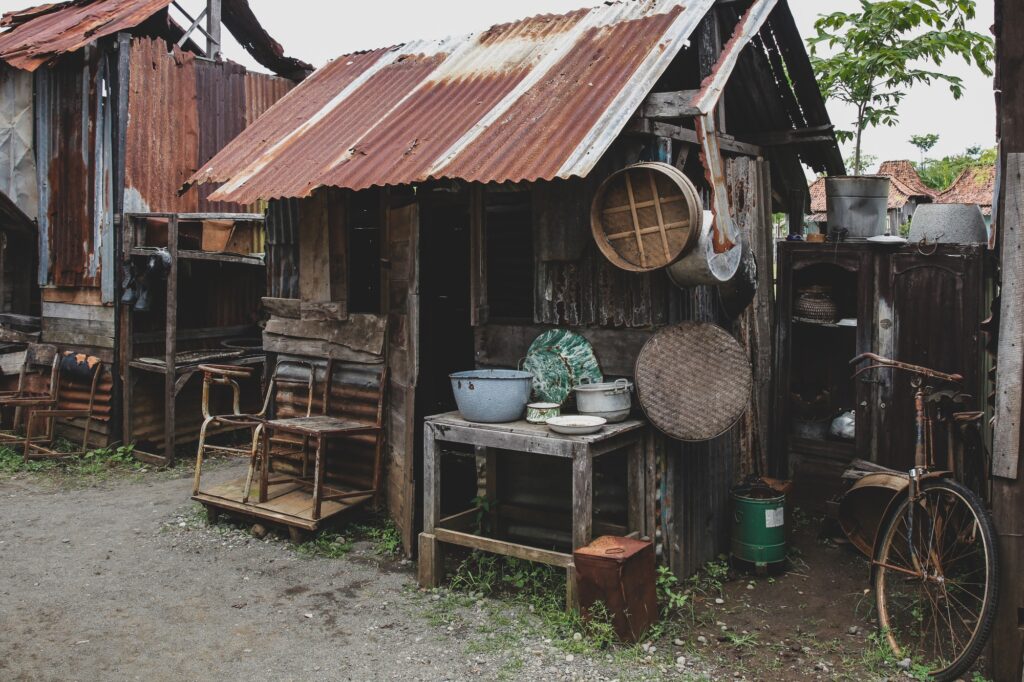
Although Angola has seen economic growth through its oil industry, many families still live in deep poverty. Children often lack access to basic necessities like food, clean water, and stable income at home.
High Rates of Child Malnutrition and Stunting
One in three children suffers from chronic malnutrition. Without consistent meals, safe drinking water, or access to healthcare, their development and futures are at risk.
Barriers to Education in Rural Areas
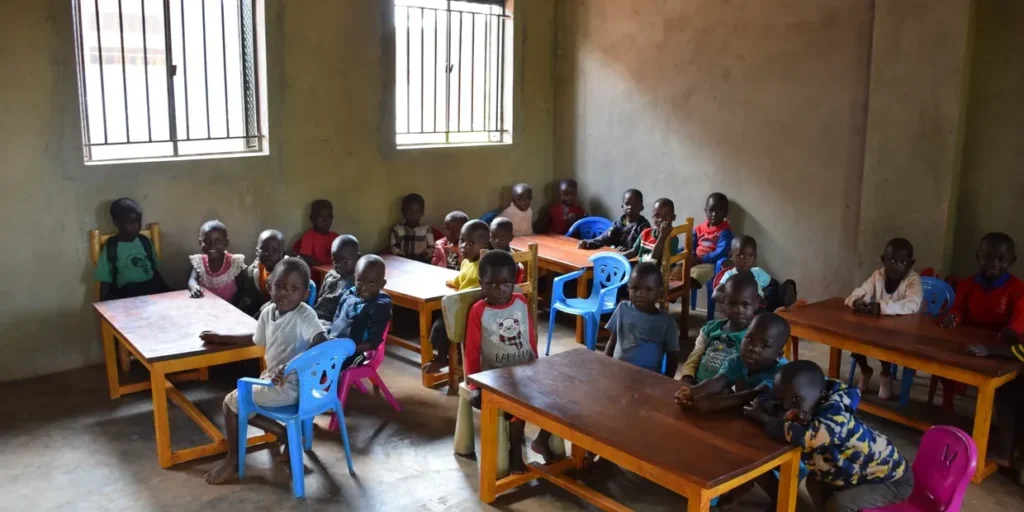
In many provinces, schools are damaged, under-resourced, or miles away from children’s homes. Girls in particular face early marriage and family responsibilities that pull them out of the classroom far too soon.
Despite these challenges, Uganda’s children remain full of hope — dreaming of education, health, and opportunities for a better tomorrow.
How We Help Amplify Change in Angola
At iam4allkids.org, we believe that progress begins with visibility. We partner with local organizations and elevate the voices of communities working to rebuild childhood in Angola from the inside out.
We:
Share personal stories of children overcoming hunger, school closures, and economic hardship
Highlight local efforts providing school supplies, community meals, and rural outreach
Run advocacy campaigns focused on childhood nutrition, education equity, and rural poverty
Every story we tell brings new attention to the people making change happen — and helps grow their reach
Why Angola is One of Our Focus Countries
Angola’s children are among the youngest populations in Africa and among the most affected by years of instability.
Over 48% of the population is under 15, with many growing up in fragile environments shaped by war, poverty, and underinvestment.
While urban centers are improving, rural regions still lack access to clean water, schools, and medical care.
Local nonprofits are filling these gaps with creativity and compassion — they just need help being seen.
We believe that Angola’s children don’t need to be rescued — they need to be recognized and supported in their fight to thrive.
A Message of Hope from Angola
Despite the pain of the past, hope is growing:
In villages once torn by conflict, school lunches are helping children return to class with energy and joy.
In rural communities, women are leading programs that keep girls in school and delay early marriage.
Across Angola, new community kitchens and health centers are helping children get the nutrition and care they need to grow strong.
Thanks to advocates like you, these stories are reaching more people than ever before.
Every share, donation, and conversation brings us closer to a future where every child in Angola has a chance to thrive.
Key Contributor #1: Roda da Alimentação Infantil
Child Nutrition In Rural Angola
In remote villages across Angola, where food insecurity quietly threatens childhood, Roda da Alimentação Infantil is making hunger visible — and solvable. This community-led organization operates child feeding centers and nutrition outreach programs in regions where stunting is common and meals are scarce.
At sunrise, mothers line up with their children to receive fortified porridge, clean drinking water, and basic medical care. Health workers check for malnutrition symptoms and speak with caregivers about healthy feeding practices and hygiene. In many cases, these centers are the only consistent source of nutrition in a child’s life.
Roda’s impact is deeply personal. Children once too weak to play are now running, laughing, and growing. Families who once skipped meals now feel supported and seen. In a country where one-third of all children are chronically malnourished, their work is a lifeline.
Key Contributor #2: Educar Angola
Restoring Education After Conflict
In towns and villages where classrooms were destroyed and teachers fled during the war, Educar Angola is working to bring learning back — and bring children with it. The organization focuses on rebuilding trust in education by providing mobile school kits, hiring and training local teachers, and rehabilitating old schools.
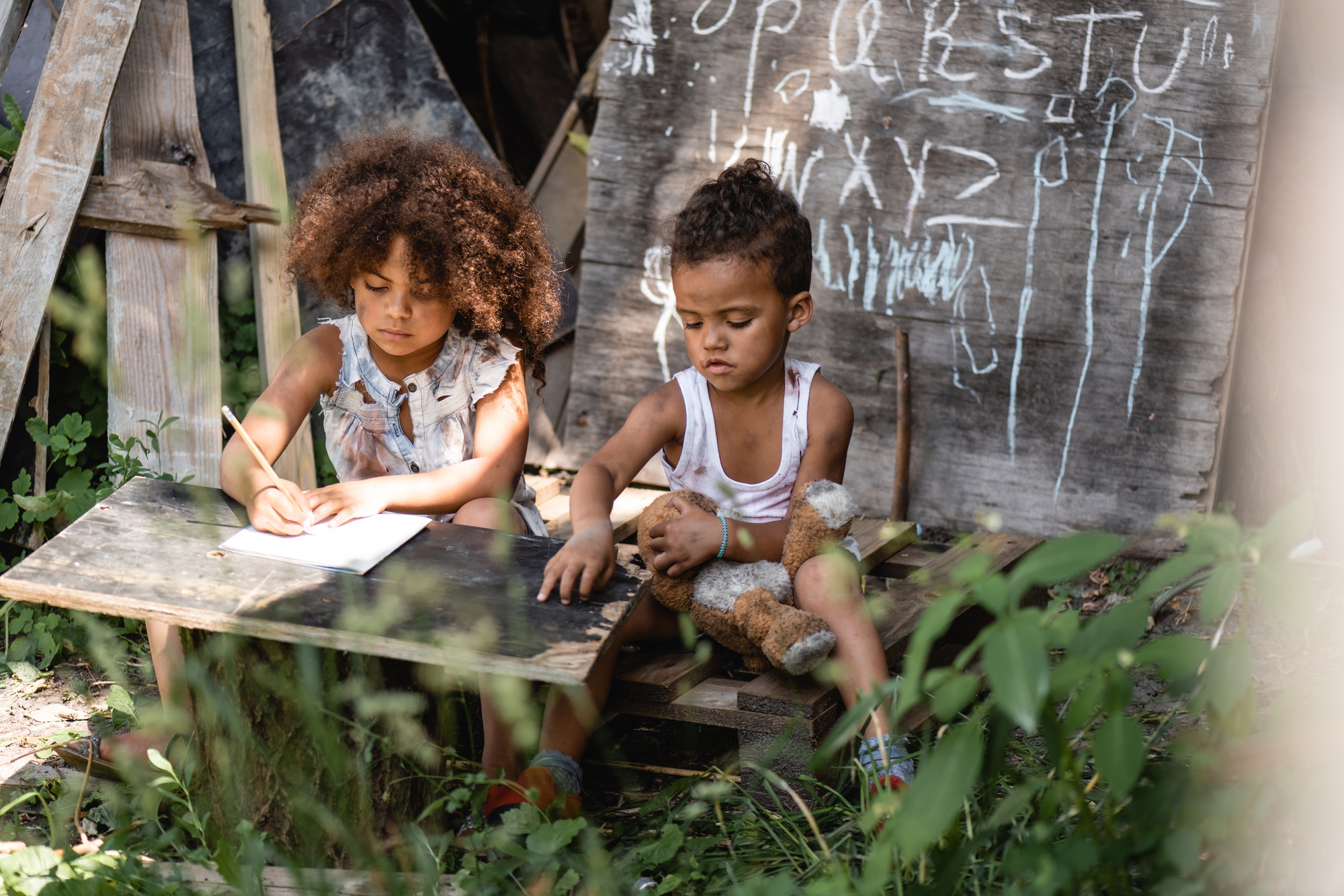
They start small: a chalkboard, a tarp for shade, backpacks with supplies. From there, they create safe learning spaces where children — many of whom have missed years of school — can catch up, feel welcomed, and begin again.
Their work goes beyond logistics. Educar staff mentor children struggling with trauma, offer night classes for working youth, and encourage girls to return to school after dropping out. In post-conflict communities where education once felt impossible, they are making it feel hopeful again.
Key Event #1: Village School Kit Drive – Bié Province
School supplies for war-affected regions
In the central province of Bié, where many schools had been abandoned or damaged during the civil war, volunteers and teachers came together in 2023 for a powerful event: the Village School Kit Drive. Hundreds of children gathered in open fields as organizers distributed school supplies, chairs, writing tablets, and mobile chalkboards.
Some students clutched their first-ever notebooks. Others lined up excitedly to receive pencils, books, and uniforms. Teachers, many of whom had taught without materials for years, were moved to tears.
More than just supplies, the event sent a message — that education is returning, and that children in Bié matter. In communities still recovering from war, this drive became a symbol of revival.
Key Event #2: Community Kitchen Launch – Huambo Region
Hot Meals For Children In Need
In a quiet neighborhood on the outskirts of Huambo, a group of mothers launched a bold idea: a community-run kitchen that would serve free meals to children every day after school. With the support of local NGOs, donated rice and beans, and a few borrowed pots, the Community Kitchen Launch began in early 2024.
Each afternoon, over 200 children gather under shade trees to eat hot, nutritious food prepared by volunteers. Some come from homes where meals are inconsistent. Others come simply because they know someone cares.
For the women leading the effort, this isn’t just about food — it’s about dignity. It’s about helping children concentrate in school, grow stronger, and feel that they are not alone. The kitchen has now become a community hub, offering cooking classes for teens and nutrition workshops for parents.
Top Nonprofits Across Angola
Meet the ten organizations making extraordinary strides in improving the lives of Angola’s children — one community at a time.