Benin: Supporting Children at the Crossroads of Tradition and Change
Explore Benin :
Discover how children across Benin are navigating poverty, education gaps, and child labor — with resilience, strength, and the support of their communities.
The Situation for Children in Benin
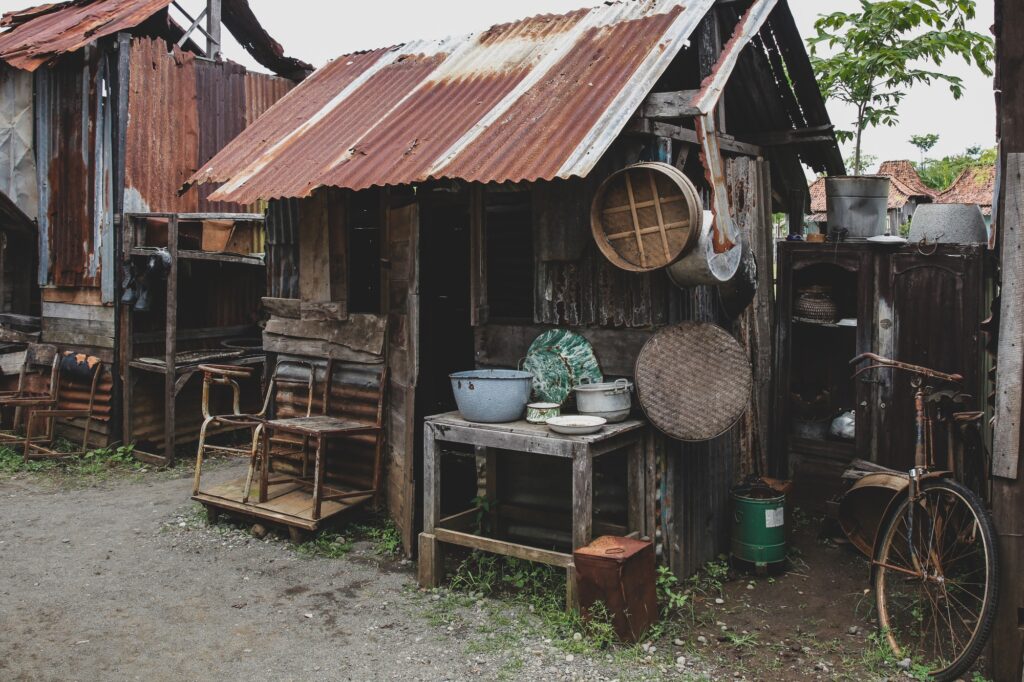
Benin is a nation of vibrant tradition, growing democracy, and a youthful population full of potential. But for many children — especially those in rural areas — daily life is shaped by hardship, not opportunity. These are the three most urgent challenges facing Benin’s children:
Widespread Child Labor
Many children in Benin are pushed into labor at a young age, especially in farming, domestic work, and informal trade. Economic need and cultural norms often force them out of school and into work to help support their families.
Gender-Based Educational Disparities
Girls in Benin are significantly less likely than boys to complete secondary education. Early marriage, household responsibilities, and gender bias all contribute to higher dropout rates among girls, particularly in rural areas.
Lack of Access to Quality Education in Remote Communities
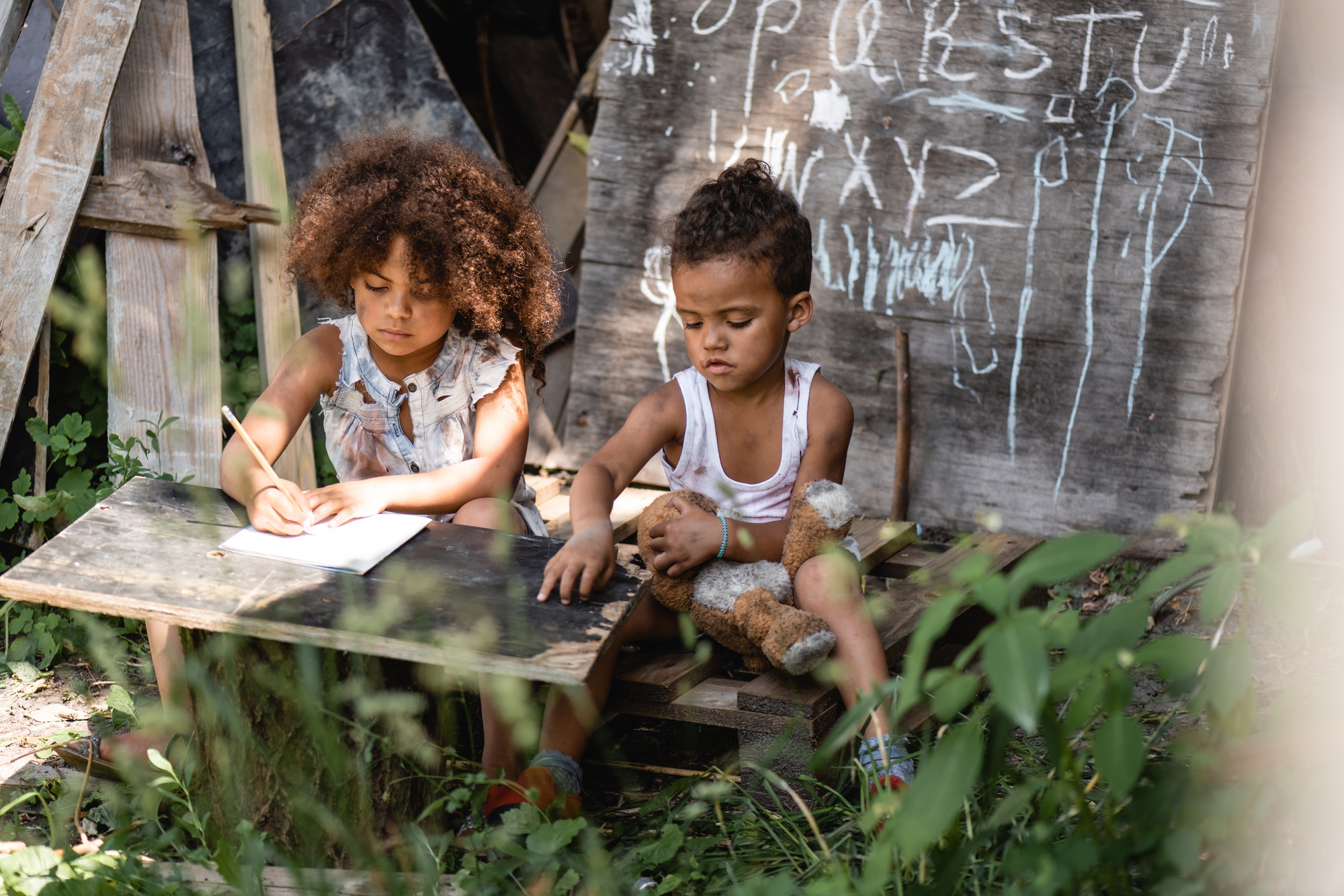
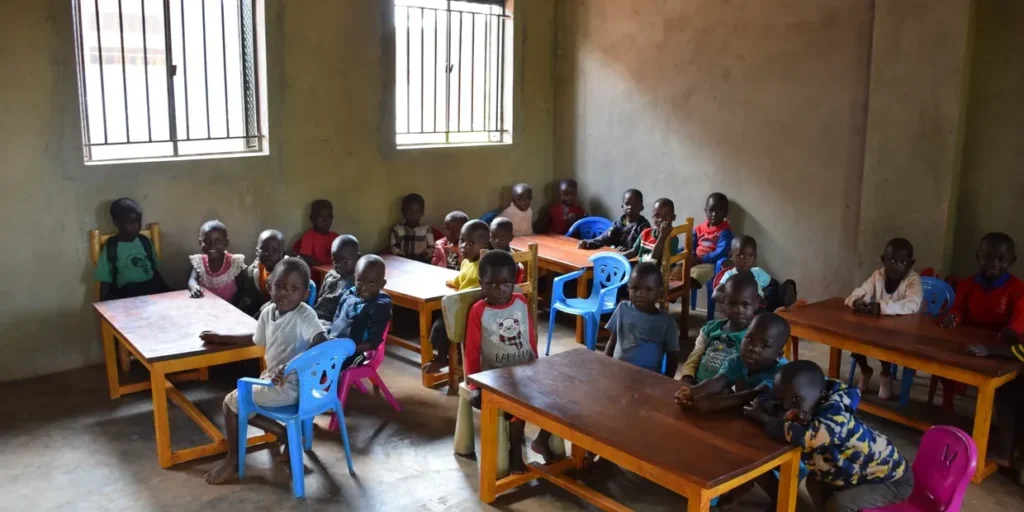
While primary school is technically free, many children live far from the nearest school or attend classrooms with no desks, books, or trained teachers. The gap between urban and rural education access continues to widen.
Despite these challenges, Uganda’s children remain full of hope — dreaming of education, health, and opportunities for a better tomorrow.
How We Help Amplify Change in Benin
At iam4allkids.org, we work to shine a light on the children of Benin — and the people fighting to protect their futures. Through storytelling, awareness, and global connection, we help elevate the efforts of those tackling child labor, gender inequality, and education access every day.
We:
Highlight grassroots programs rescuing children from labor and helping them return to school
Share stories of girls overcoming barriers to education and becoming first-generation graduates
Support rural learning initiatives that provide children with school supplies, safe spaces, and trained educators
By connecting these stories to the world, we help bring visibility, dignity, and hope where it’s needed most.
Why Benin is One of Our Focus Countries
Benin’s children are full of potential — but too many are held back by circumstances beyond their control.
Over 40% of the population is under 15, and one in five children is engaged in labor instead of learning.
Gender inequality continues to push girls out of classrooms and into early marriage or household labor.
Many rural communities are doing the best they can with limited resources, but they can’t do it alone.
We believe Benin’s next generation deserves to be seen, protected, and given the support they need to grow into leaders of change.
A Message of Hope from Benin
Even in the face of hardship, hope is taking root:
In farming towns where children once labored in the fields, classrooms are now opening their doors.
In villages where early marriage was the norm, local leaders are stepping up to keep girls in school.
Across Benin, community centers are offering safe spaces, mentorship, and second chances to youth.
Thanks to people like you, the voices of Benin’s children are being heard far beyond its borders.
Every action you take helps shift the balance — from survival to possibility.
Key Contributor #1: Enfants Solidaires d'Afrique et du Monde (ESAM)
Ending Child Labor Through Education and Advocacy
In markets, fields, and construction sites across Benin, children as young as seven are forced to trade their education for labor. ESAM is on the frontlines of changing that. They run rescue and reintegration programs that help children leave dangerous work situations and re-enter the classroom with dignity and support.
At their centers, children receive school supplies, psychosocial support, and personalized academic help to catch up. ESAM also works with parents, employers, and government agencies to shift the culture around child labor — from normalized to unacceptable.
Their impact is measurable and personal. Every child removed from a work site and returned to school is a victory. And for families once trapped in a cycle of poverty, ESAM is proof that another path is possible.
Key Contributor #2: ONG Filles Éveillées
Keeping Girls in School and Out of Early Marriage
In parts of northern Benin, girls are often married before their 15th birthday, leaving education behind for domestic life. ONG Filles Éveillées is changing this narrative by working with families and village leaders to advocate for girls’ education and delay early marriage.
They run girls’ clubs, school sponsorship programs, and safe housing for students at risk of dropping out. Through mentorship, storytelling, and real community engagement, they’ve helped hundreds of girls stay in school and find role models beyond tradition.
Their work is about more than education — it’s about giving girls back their voice, their dreams, and their right to choose their future.
Key Event #1: Rural Book Drive – Atakora Region
Delivering Books and Hope to Remote Classrooms
In early 2023, a coalition of local NGOs and teachers launched the Rural Book Drive to bring books, notebooks, and pencils to underserved schools in the Atakora region. Some students had never held a storybook or seen a full page of printed text.
Volunteers walked for hours with bundles of materials to reach remote schools nestled between hills and farms. Children gathered wide-eyed as stacks of books were unwrapped and placed in their classrooms.
This wasn’t just a supply drop — it was a signal that they hadn’t been forgotten, that learning matters even where roads don’t reach.
Key Event #2: Girls’ Rights March – Parakou
Uniting Youth to End Early Marriage
On International Day of the Girl in 2024, over 500 students, teachers, and parents marched through the streets of Parakou holding signs that read: “Let Girls Learn” and “My Body, My Future.” Organized by local women-led nonprofits, the Girls’ Rights March made headlines across the country.
Speeches were given by former child brides who had returned to school, and girls as young as 10 stood at microphones to say, “We have dreams too.” The event sparked dialogue in homes and schools, and new local commitments to delay marriage age requirements.
It showed that change doesn’t always begin in parliament — sometimes it begins with a girl and a sign.
Top Nonprofits Across Benin
Meet the ten organizations making extraordinary strides in improving the lives of Benin children — one community at a time.