Central African Republic: Defending Childhood in a Nation at War With Itself
Explore Central African Republic :
Discover how children are surviving displacement, hunger, and trauma — and meet the local heroes fighting to give them back safety, healing, and the right to learn.
The Situation for Children in Central African Republic
The Central African Republic is one of the most fragile countries in the world. Ongoing armed conflict, food insecurity, and institutional collapse have left an entire generation of children in crisis. These are the three most pressing challenges they face:
Armed Conflict and Forced Displacement
Years of violence between rebel groups and government forces have displaced over 1 million people, with more than half being children. Many have fled repeatedly, lost loved ones, or are trapped in unsafe camps without access to protection.
Severe Food Insecurity and Child Malnutrition
Nearly half the population faces acute hunger, and over 40% of children under five are chronically malnourished. Many go days without eating, and health centers are often out of reach or nonfunctional.
Recruitment and Trauma Among Child Soldiers
Children have been abducted or coerced into armed groups — forced to fight, cook, or serve as messengers. Even after escape, they face deep trauma, rejection by communities, and lack of access to education or therapy.
Despite these challenges, Uganda’s children remain full of hope — dreaming of education, health, and opportunities for a better tomorrow.
How We Help Amplify Change in Central African Republic
At iam4allkids.org, we tell the stories that conflict tries to silence. In CAR, we amplify the voices of children living through war — and the local changemakers giving them tools to heal, rebuild, and reclaim their futures.
We:
Support reintegration programs for former child soldiers and displaced youth
Highlight food relief and education programs operating in remote, insecure areas
Share stories of children surviving war, hunger, and loss — and still dreaming of peace
In a country often ignored, we help its children be seen.
Why Central African Republic is One of Our Focus Countries
CAR is one of the hardest places in the world to grow up — but its children are still here, still hopeful.
Over 60% of the population is under 25, with millions of children growing up without safety or services
Armed conflict continues to prevent education, health care, and basic protections for youth
Local organizations are providing trauma care, meals, and learning spaces — but they need global support
We believe CAR’s children are not just victims of conflict. They are survivors — and they deserve the resources to recover.
A Message of Hope from Central African Republic
Even in war zones, hope still rises:
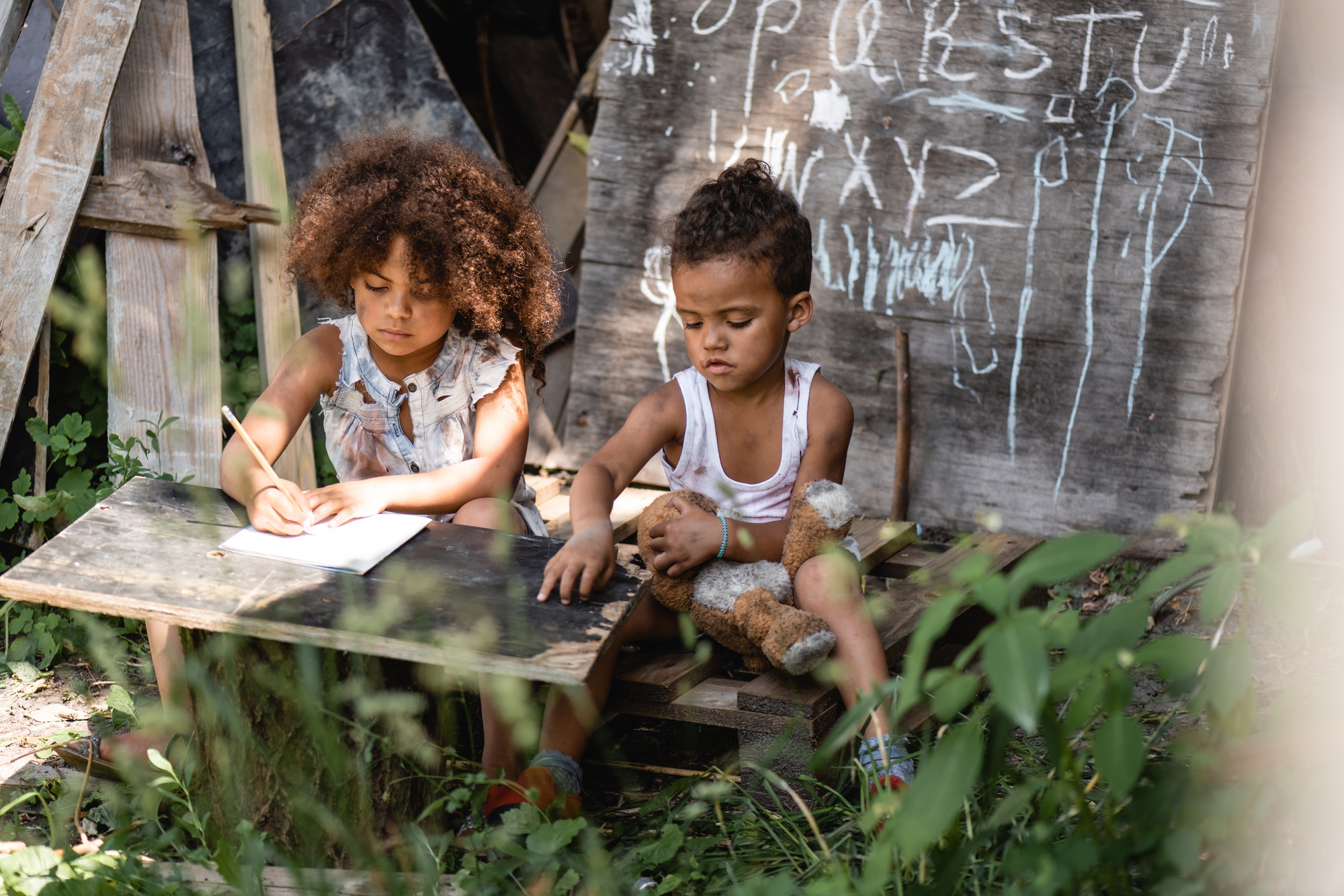
In displacement camps, children are learning their alphabet with sticks in the dirt and laughter in their voices.
In towns once controlled by militias, girls are returning to school — some for the first time in years.
Across CAR, former child soldiers are finding the courage to dream of something beyond war.
Thanks to you, these children are no longer invisible.
Hope isn’t loud in CAR — but it’s alive.
Key Contributor #1: Juvenal Foundation
Reintegrating Former Child Soldiers With Safety, Schooling, and Healing
In the city of Bangui and conflict zones beyond, Juvenal Foundation works with children who’ve been recruited or abducted by armed groups. Their program offers safe shelter, psychosocial counseling, accelerated education, and family reunification.
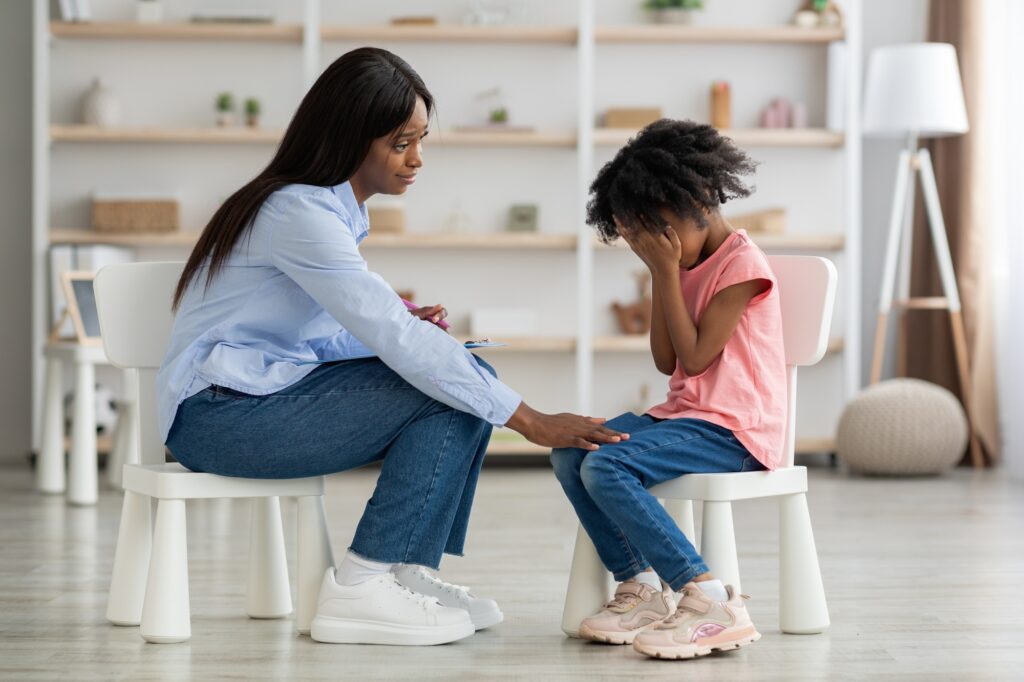
Social workers gently help children process the trauma they’ve seen and help them rebuild trust with their communities. Former child soldiers are given the chance to return to school, learn vocational skills, or simply be children again.
In a country where children are often used as weapons, Juvenal Foundation helps them become whole.
Key Contributor #2: Caritas Central African Republic
Fighting Hunger and Supporting Children in Crisis Zones
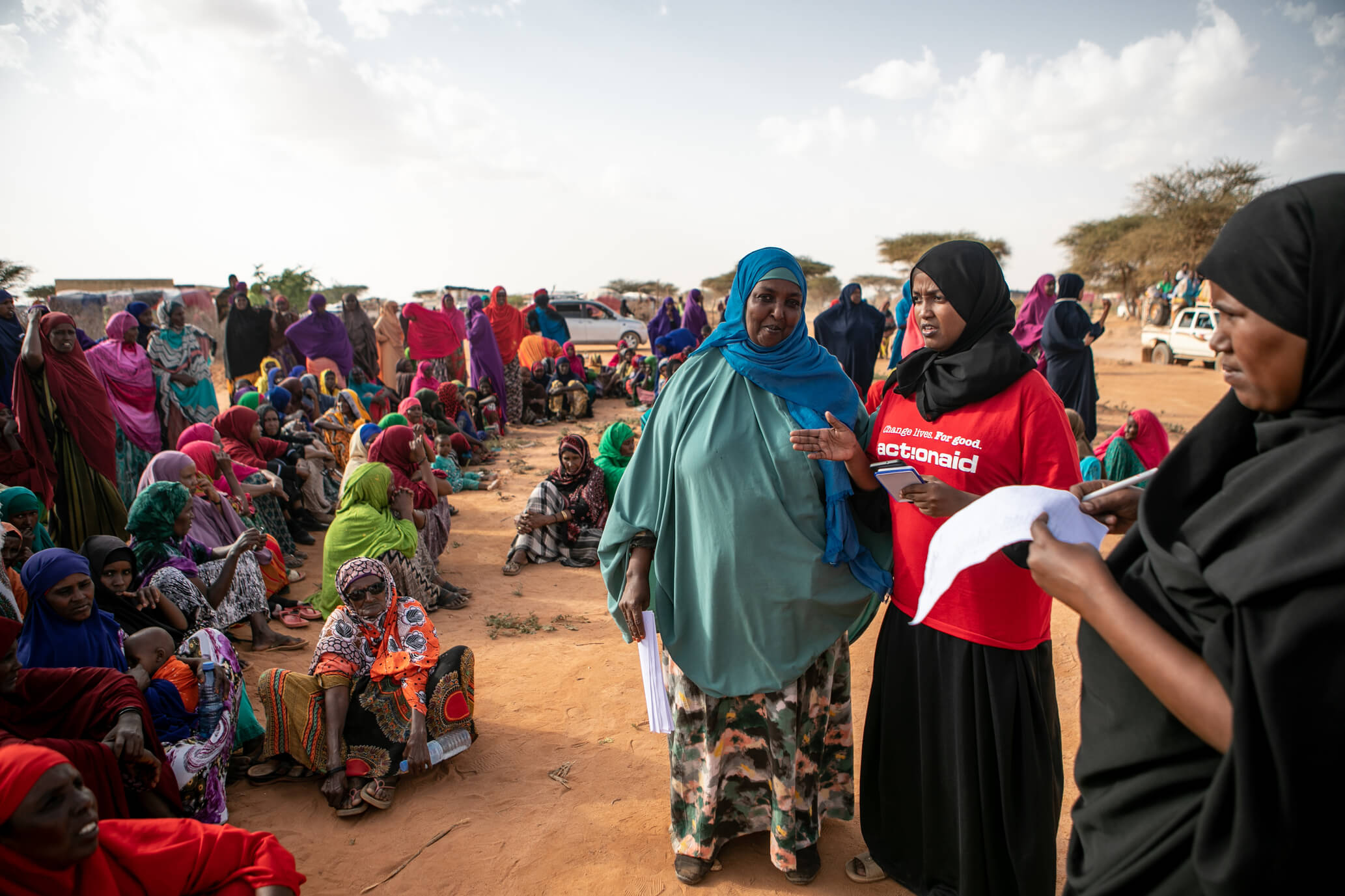
Through a wide-reaching humanitarian network, Caritas CAR distributes food, water, medical care, and emotional support to children and families trapped in displacement camps or cut off by conflict. Their mobile clinics and school feeding programs are often the only source of nourishment and care in some areas.
They also run child-friendly spaces — places where displaced children can learn, play, and feel safe for a few hours each day.
Caritas CAR works where no one else can. And in doing so, they offer not just relief, but hope.
Key Event #1: Back-to-School Campaign – Ouaka Province
Reopening Schools in Conflict Zones With Books and Bravery
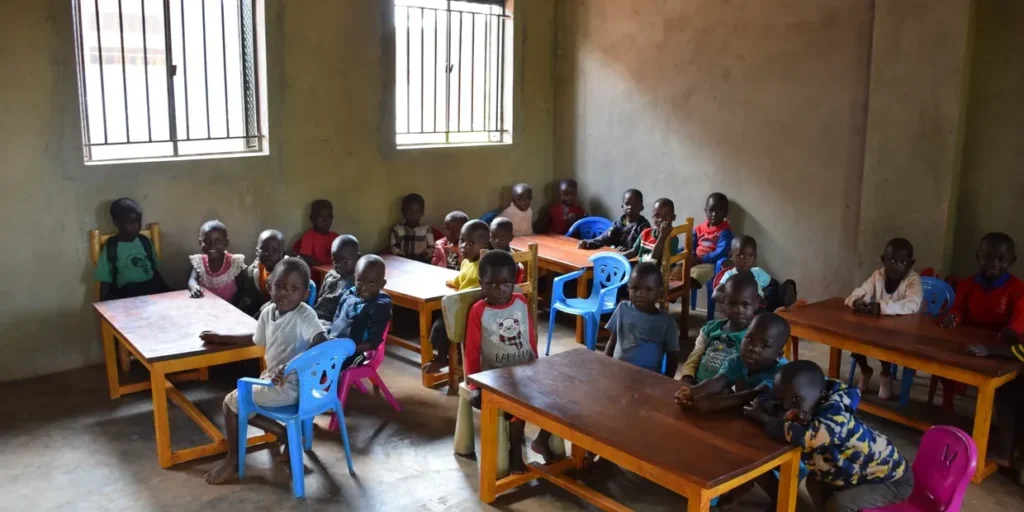
In 2023, a coalition of teachers, parents, and volunteers launched a Back-to-School Campaign in Ouaka, a region long disrupted by armed violence. Using donated tarps, salvaged desks, and chalkboards, they reopened dozens of classrooms in makeshift tents.
Children arrived barefoot, some with notebooks held together by string — but with excitement in their eyes. They wrote letters to their future selves and drew maps of their dreams.
The campaign didn’t just reopen schools. It reopened the possibility of normalcy, growth, and peace.
Key Event #2: Healing Through Theater – Bangui
Using Art to Process Trauma and Reclaim Voice
In a small community theater in Bangui, children gathered for the first performance of “Voices of the Valley,” a play written and acted entirely by war-affected youth. The script was based on their real stories — of fleeing home, losing parents, or dreaming of peace.
The play was part of a trauma recovery project organized by local artists and psychologists. Children used performance to express pain, laugh, cry, and connect with their community in new ways.
When the final bow came, the applause wasn’t just for the performance. It was for the courage to be seen.
Top Nonprofits Across Central African Republic
Meet the ten organizations making extraordinary strides in improving the lives of Central African Republic’s children — one community at a time.