Chad: Uplifting Children in a Landscape of Struggle and Strength
Explore Chad :
Meet the children growing up amid displacement, drought, and forgotten borders — and discover the local efforts giving them access to food, education, and emotional care.
The Situation for Children in Chad
Chad is a country of vast deserts, resilient people, and persistent crisis. From conflict in the Lake Chad region to severe droughts and an underfunded education system, children in Chad are growing up on the front lines of multiple emergencies. These are the three most urgent challenges they face:
Food Insecurity and Malnutrition
Drought, conflict, and economic instability have created one of the highest child malnutrition rates in the world. Many children go to bed hungry, and nearly 40% of children under five are stunted due to lack of nutrition.
Displacement From Regional Conflict
Ongoing violence in neighboring countries like Sudan, Central African Republic, and Nigeria has pushed refugees into Chad, placing enormous pressure on already scarce resources. Many refugee and internally displaced children live in camps without consistent access to school or healthcare.
Lack of Basic Education and Infrastructure
Nearly half of Chad’s children are out of school. Classrooms are overcrowded, under-resourced, and sometimes nonexistent — especially in rural or conflict-affected zones.
Despite these challenges, Uganda’s children remain full of hope — dreaming of education, health, and opportunities for a better tomorrow.
How We Help Amplify Change in Chad
At iam4allkids.org, we focus on the children most often forgotten: those born in camps, raised through drought, and displaced without warning. We work to amplify the voices of changemakers creating safety, stability, and support — even where governments fall short.
We:
Support education and food programs for refugee and displaced children
Highlight local initiatives that build mobile schools and feeding centers in remote areas
Share stories of resilience and survival from children who are still dreaming despite everything
Even in crisis, we help hope take root.
Why Chad is One of Our Focus Countries
Chad is facing multiple overlapping emergencies — and its children are paying the highest price.
Nearly 3 million children need humanitarian assistance
Hunger, displacement, and education disruption are everyday realities for children in camps and rural zones
Local organizations are doing extraordinary work — but they need global attention to grow their reach
We believe the world must not forget these children simply because their crisis is quiet.
A Message of Hope from Chad
Even in hardship, progress is taking shape:
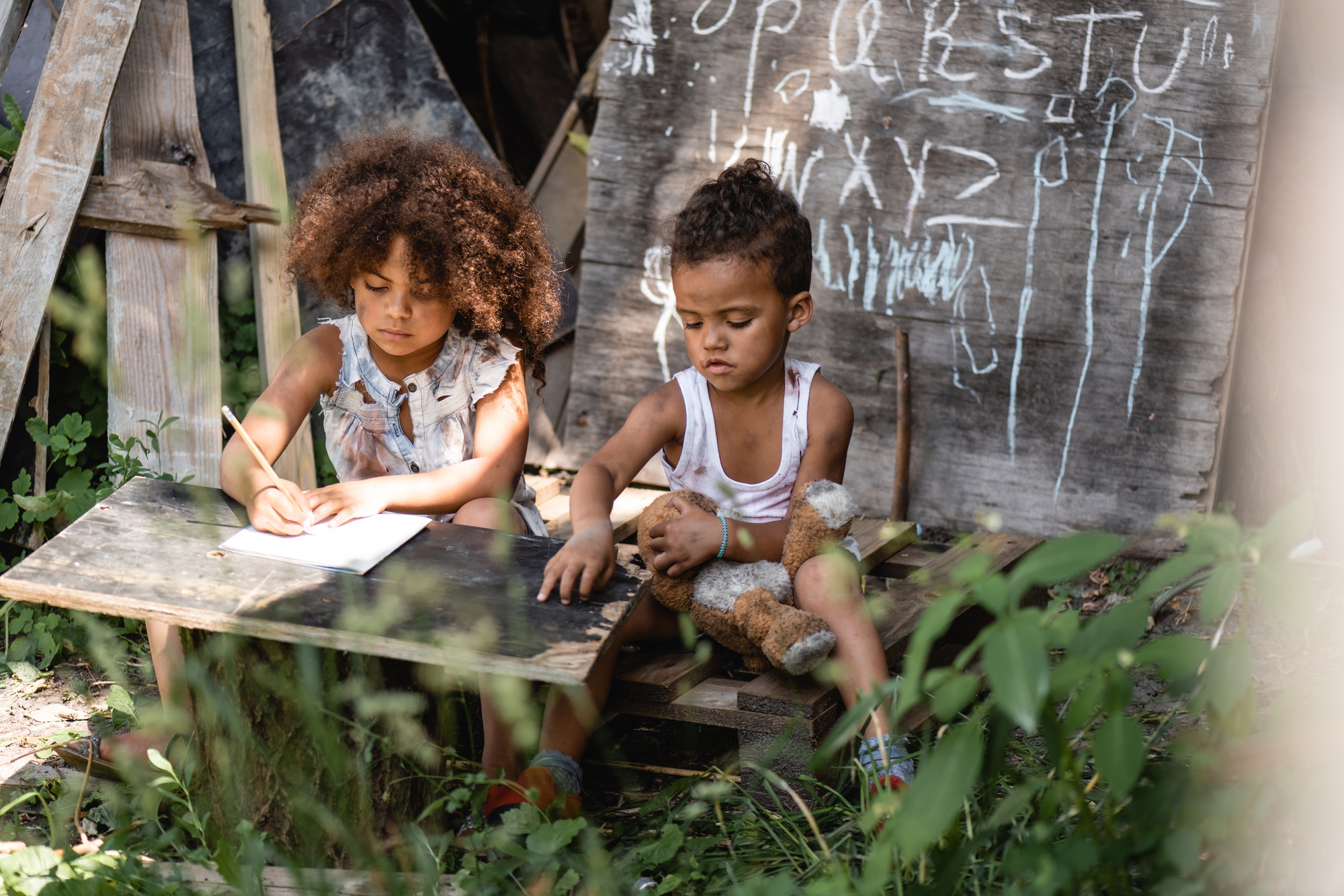
In refugee camps, teachers are creating makeshift classrooms with tarps and chalk.
In villages stricken by drought, new gardens are feeding students during school lunch.
In crowded displacement zones, children are learning to read, draw, and trust again.
And because of people like you, their stories are being heard beyond the desert.
Hope moves slowly in Chad — but it never stops.
Key Contributor #1: Tchad Plus
Delivering Emergency Aid and Education to Displaced Youth
In the Lake Chad Basin, where families are constantly uprooted by violence and drought, Tchad Plus operates mobile classrooms, feeding programs, and psychosocial support for displaced children. Their work centers on restoring routine, safety, and dignity for youth who have lost everything.
Children are given a daily meal, a school kit, and a space to learn — sometimes under a tree, sometimes in a tent. Teachers are trained to address trauma while delivering basic education.
For children who’ve known only instability, Tchad Plus offers a foundation to rebuild their lives.
Key Contributor #2: Al Nassim Foundation
Feeding and Supporting Malnourished Children in Rural Chad
In drought-stricken regions of eastern Chad, Al Nassim Foundation runs child nutrition clinics that provide emergency food, clean water, and health checkups. Many of the children they serve have gone days without eating or are severely underweight.
The foundation also trains mothers in nutritional practices and distributes food kits to at-risk families. Volunteers walk from village to village with supplies — reaching the unreachable.
Their work is quiet but life-saving, ensuring that hunger doesn’t steal childhood before it begins.
Key Event #1: Mobile Classroom Launch – Lake Chad Region
Bringing School to Children on the Move
In early 2024, a coalition of local NGOs and displaced teachers launched a Mobile Classroom Program across the Lake Chad Basin. These portable schools use foldable boards, solar-powered devices, and modular seating to reach children in IDP camps and isolated villages.
The first rollout served over 1,000 children, many of whom hadn’t seen a classroom in over two years. Lessons were delivered in local languages and adapted for children who had fallen behind.
The initiative proved that even in shifting landscapes, learning can find its way.
Key Event #2: Child Nutrition Day – Abeché
Combating Malnutrition With Meals, Education, and Joy
In the city of Abeché, families and health workers gathered for Child Nutrition Day, a campaign organized by Al Nassim Foundation to raise awareness and deliver life-saving services to malnourished children.
Children received fortified porridge, vitamin supplements, and medical screenings. Parents attended workshops on breastfeeding, clean water, and food safety. Songs and games turned the event into a celebration of life and care.
For many families, it was their first encounter with preventative health — and the first time their child had eaten in a structured setting.
Top Nonprofits Across Chad
Meet the ten organizations making extraordinary strides in improving the lives of Chad’s children — one community at a time.