Democratic Republic of the Congo: Defending Childhood in the Heart of Crisis
Explore the DRC:
Discover how children across one of the world’s most resource-rich and conflict-torn nations are navigating war, displacement, and trauma — and how local leaders are fighting to keep them safe, learning, and hopeful.
The Situation for Children in the DRC
The DRC is a country of vast potential, rich land, and deep suffering. Armed conflict, poverty, and weak institutions have left millions of children at risk of exploitation, violence, and neglect. These are the three most urgent challenges they face:
Armed Conflict and Massive Displacement
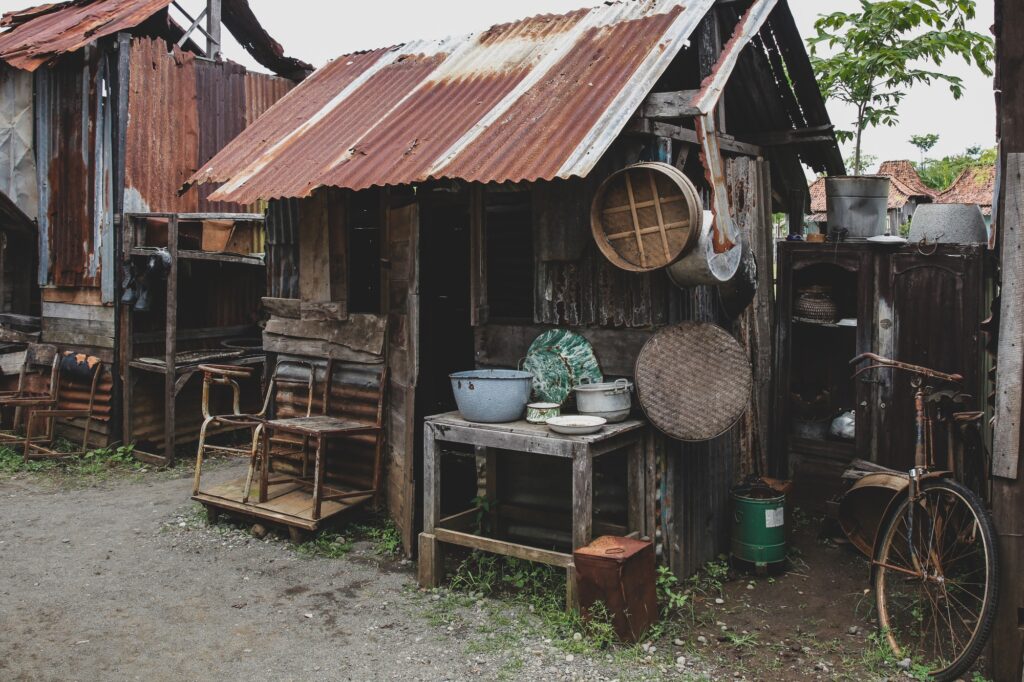
Armed groups continue to terrorize communities in the eastern DRC, displacing over 7 million people — nearly half of them children. Many live in camps with no access to clean water, education, or protection.
Child Recruitment and Gender-Based Violence
Children are abducted, recruited as soldiers, or exploited in militias and mining operations. Girls face widespread sexual violence, both during conflict and in camps, often with little access to justice or support.
Lack of Access to Education and Trauma Recovery
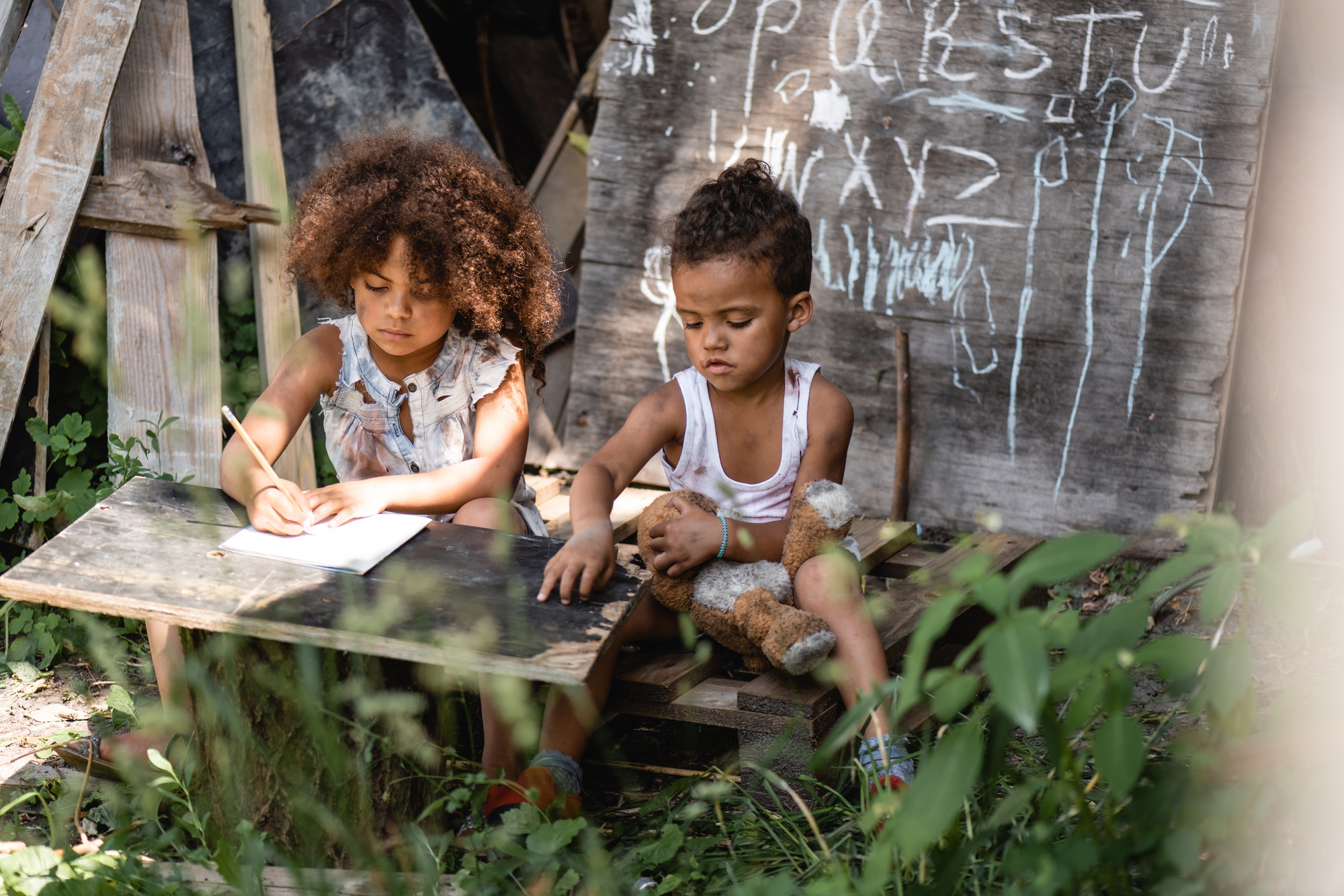
Years of war have decimated schools and traumatized children. More than 3 million school-age children are out of school, and mental health services are almost nonexistent, especially in rural areas.
Despite these challenges, Uganda’s children remain full of hope — dreaming of education, health, and opportunities for a better tomorrow.
How We Help Amplify Change in the DRC
At iam4allkids.org, we stand with the children who have survived things no child should endure. We raise awareness for the people on the ground providing shelter, schooling, and emotional healing — even in war zones.
We:
Share the stories of displaced children, survivors, and former child soldiers finding their voice
Support organizations creating trauma-informed classrooms and safe spaces for girls
Highlight programs helping children rebuild confidence through learning and community care
In a country overwhelmed by crisis, we help protect and uplift what matters most — its children.
Why the DRC is One of Our Focus Countries
The Democratic Republic of the Congo is one of the most dangerous places in the world to be a child — but also one of the most resilient.
Over 50% of the population is under 18
Millions of children live in active conflict zones, with little access to education or safety
Girls are especially vulnerable to violence and exploitation, even in displacement camps
We believe the children of Congo deserve to live without fear — and to be seen as more than victims, but as future leaders.
A Message of Hope from the DRC
Even in the most dangerous corners of Congo, light still shines:
In displacement camps, children are painting their dreams — and learning to smile again.
Girls once silenced by violence are now speaking into microphones at community forums.
In burned-out schools, chalkboards have been replaced, and lessons are beginning again.
Because of your support, their stories are reaching hearts across the world.
Every child in Congo is holding on to something stronger than fear — hope.
Key Contributor #1: Children’s Voice
Restoring Safety, Education, and Voice to War-Affected Children
Based in Goma, Children’s Voice supports children impacted by war, especially those who have been orphaned, displaced, or sexually assaulted. They operate safe shelters, trauma recovery centers, and schools for children who have been left with nothing.
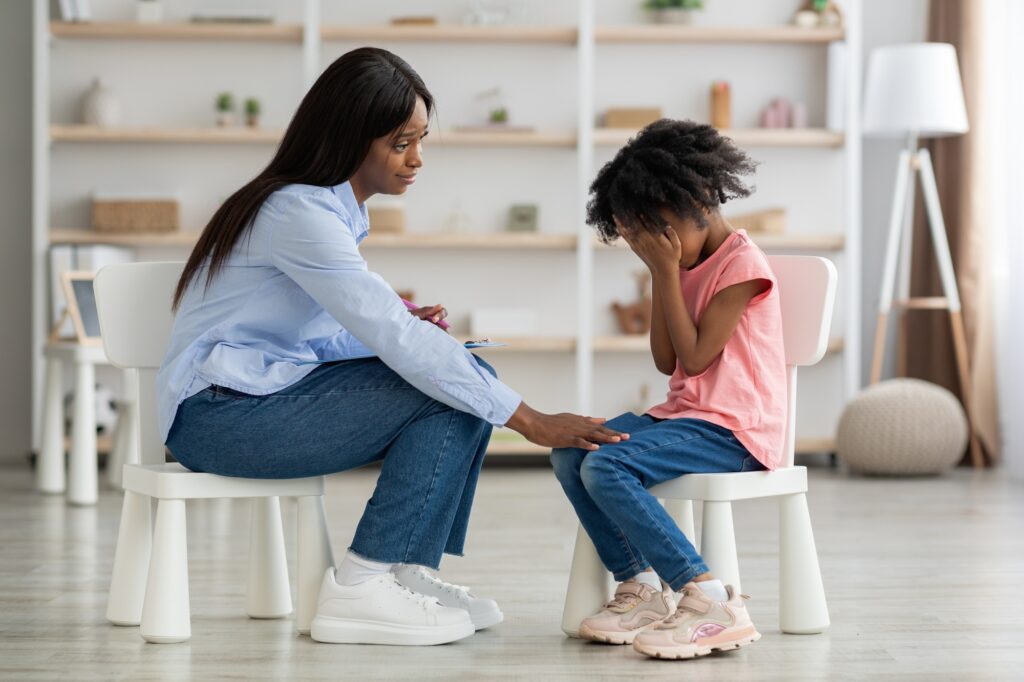
Their work includes counseling for survivors, accelerated education, and creative therapy through art and storytelling. Children are taught that their pain does not define them — and that their voice still matters.
For thousands of children, Children’s Voice is more than a nonprofit. It’s a return to safety, identity, and community.
Key Contributor #2: La Dynamique des Femmes Juristes (DFJ)
Protecting Girls From Violence and Supporting Survivors
Across North and South Kivu, DFJ provides legal aid, psychosocial care, and emergency shelter to girls and women who have survived rape, child marriage, and war-related abuse. Their all-female staff ensures survivors feel heard, protected, and believed.
DFJ also runs community education campaigns, trains law enforcement, and supports girls in returning to school. For many, it’s the first time someone has fought for them — not against them.
Their work is transforming villages where silence once ruled, and giving girls the power to reclaim their story.
Key Event #1: Safe Classrooms Campaign – Ituri Province
Rebuilding Schools and Rebuilding Trust in Education
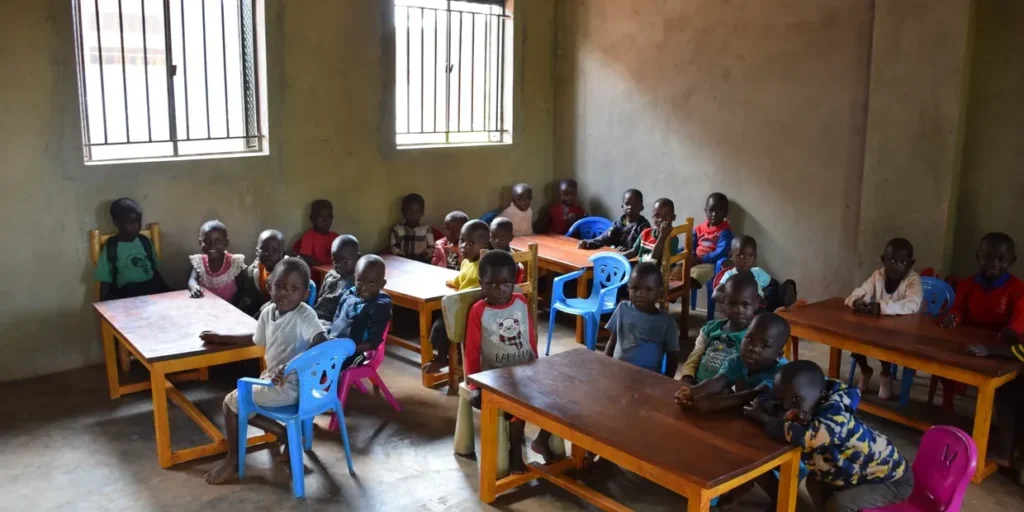
In Ituri, where years of fighting had turned schools into battlegrounds, a group of teachers and volunteers began the Safe Classrooms Campaign — clearing rubble, replacing doors, and reopening classrooms that had been closed for over a decade.
They installed blackboards, stocked books, and trained teachers in trauma-informed care. The first day back, over 500 children showed up — many barefoot, but smiling.
The campaign didn’t just bring back education. It restored belief that school is a place where children are safe.
Key Event #2: Healing Arts Festival – Goma
Helping Children Express Trauma and Celebrate Survival
In 2024, Children’s Voice hosted the Healing Arts Festival, a 3-day event where displaced children, survivors, and youth affected by conflict could showcase their art, music, and poetry. Themes included courage, memory, and what “home” means after war.
Workshops in painting, dance, and storytelling helped children express things they couldn’t say in words. Public performances gave them the stage — and the audience — they deserved.
The festival became more than an event. It became a symbol that healing isn’t just possible — it’s powerful.
Top Nonprofits Across the DRC
Meet the five organizations making extraordinary strides in improving the lives of DRC’s children — one community at a time.