Egypt: Empowering Children in a Nation of Contrasts
Explore Egypt:
Discover how children across ancient cities and modern struggles are navigating inequality, child labor, and social pressure — and meet the local efforts creating safer, stronger futures.
The Situation for Children in Egypt
Egypt is a country of immense history, rapid development, and deep-rooted inequality. While many children thrive in urban centers, millions still face systemic challenges that keep them out of school, out of reach, or out of view. These are the three most pressing issues:
Widespread Child Labor and Economic Hardship
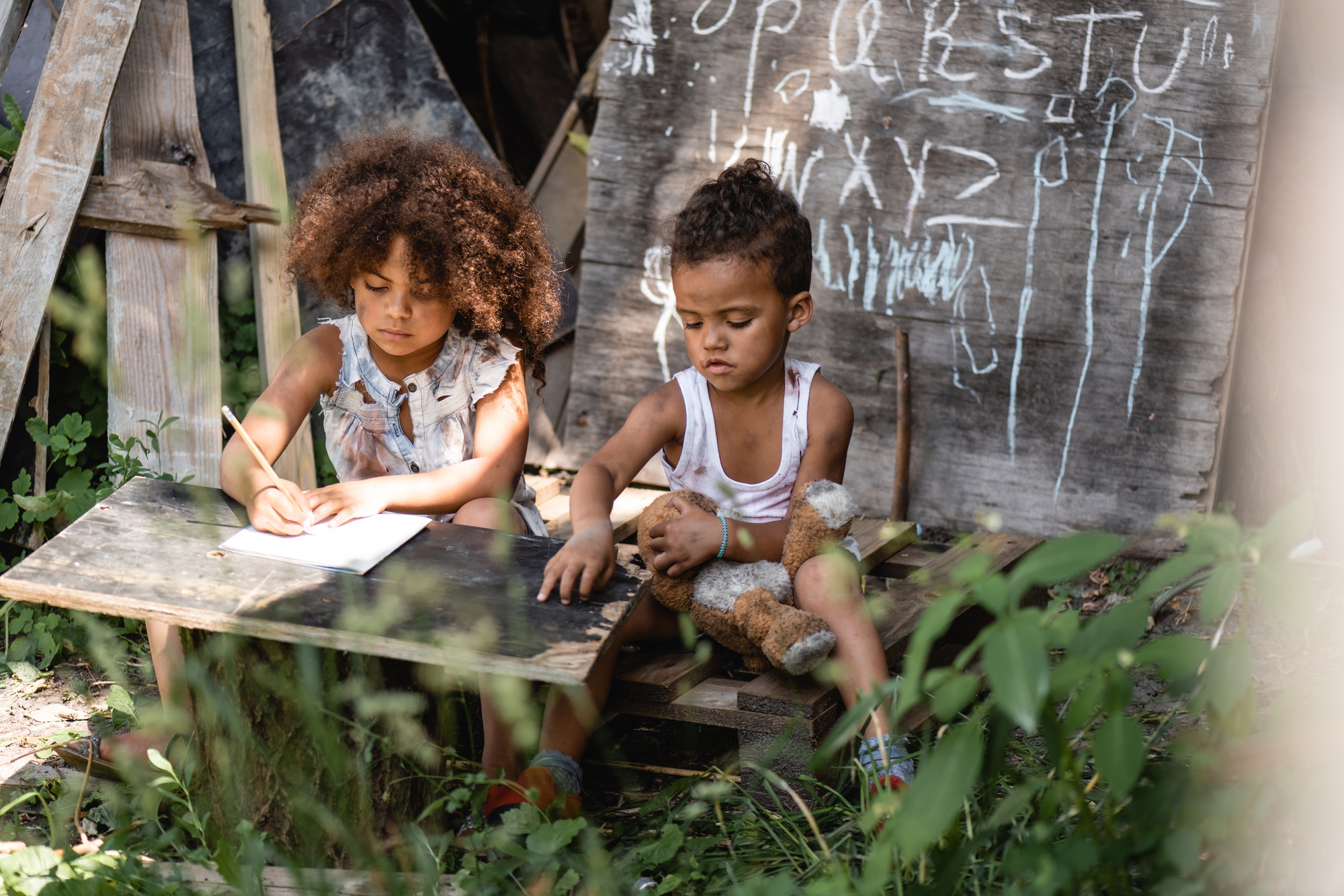
One in every ten children in Egypt works to support their family, often in agriculture, factories, or informal markets. Economic stress forces many to leave school early or never enroll at all.
Gender-Based Discrimination and Early Marriage
Girls, especially in Upper Egypt and rural areas, face pressure to marry young or drop out of school due to traditional expectations. Gender roles, family poverty, and limited access to sexual health education keep many girls at risk.
Overcrowded Public Schools and Unequal Access to Education
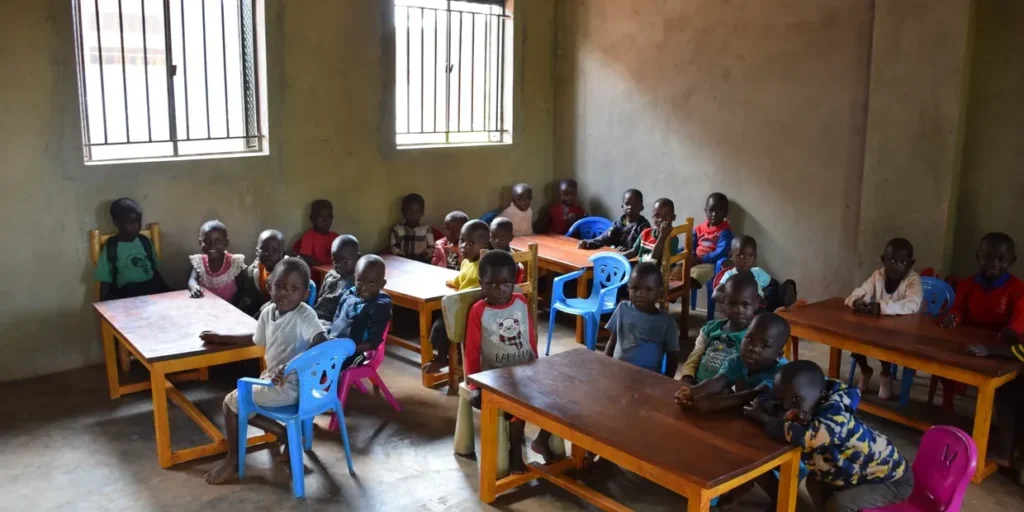
While Egypt has high school enrollment rates, public schools are often overcrowded, under-resourced, and difficult to access in rural regions. Many children, especially refugees or children with disabilities, are left behind.
Despite these challenges, Uganda’s children remain full of hope — dreaming of education, health, and opportunities for a better tomorrow.
How We Help Amplify Change in Egypt
At iam4allkids.org, we shine a light on the quiet struggles behind Egypt’s crowded classrooms, ancient monuments, and busy streets. We help elevate the people working on the ground to reduce child labor, empower girls, and open doors to education for all.
We:
Share stories of children breaking free from labor and returning to school
Highlight programs that challenge gender norms and expand girls’ rights
Support grassroots efforts improving access to education in rural and urban poor communities
In a country of contrast, we focus on making care and opportunity consistent.
Why Egypt is One of Our Focus Countries
Egypt’s children live in a country of global attention — but their daily struggles are often invisible.
Over 1.6 million children are estimated to be working full-time
Early marriage and school dropout remain widespread in rural areas
Millions of children attend public schools without adequate supplies, space, or trained teachers
We believe children in Egypt deserve not just access to learning — but the freedom to stay, grow, and thrive in every part of the country.
A Message of Hope from Egypt
Even in pressure, children are pushing forward:
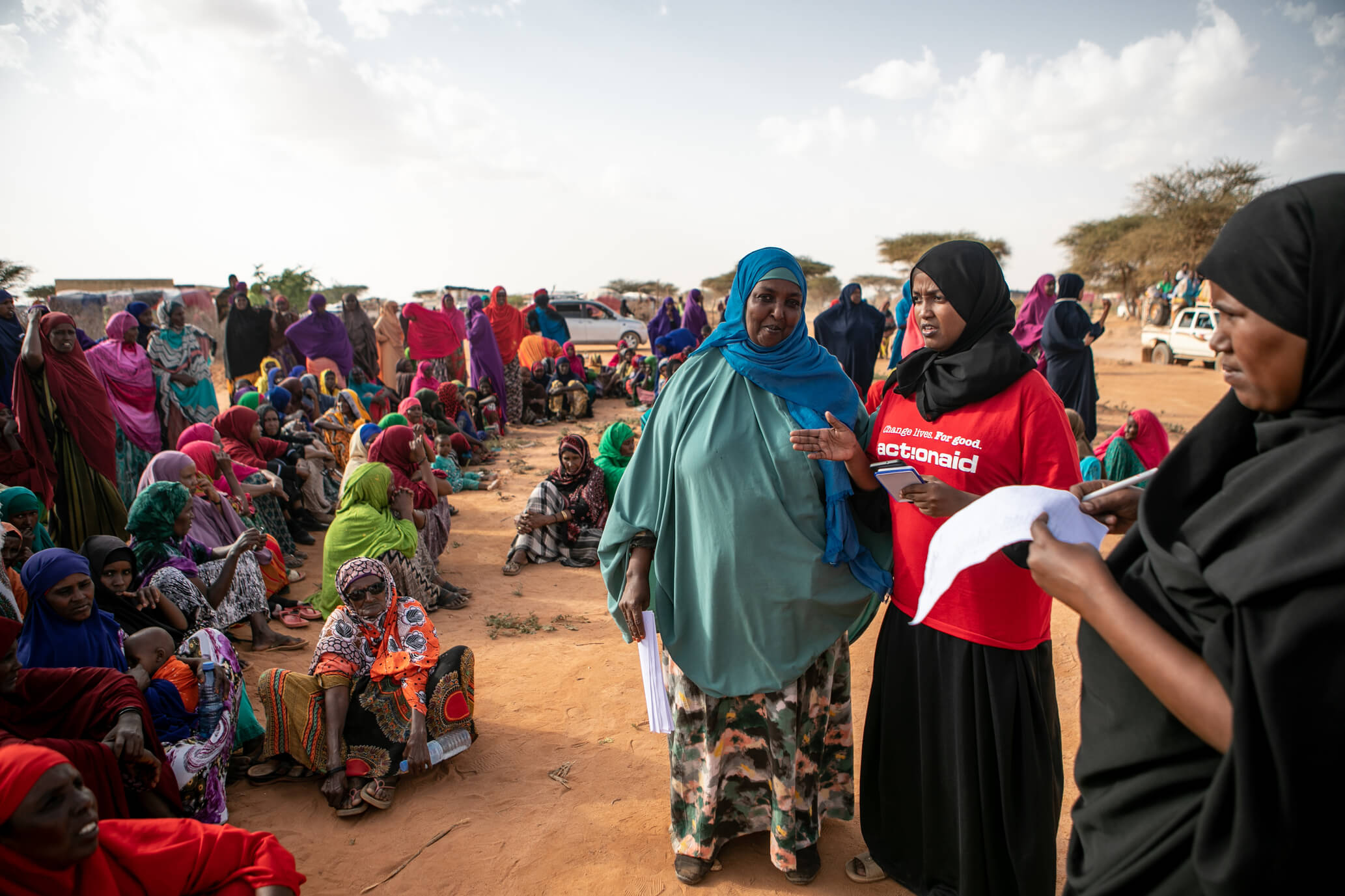
In dusty streets and crowded factories, outreach teams are helping working children return to school.
In small villages, girls are raising their voices in debate clubs and refusing early marriage.
Across Cairo’s poorest neighborhoods, community schools are offering safety, dignity, and space to learn.
And because of you, these children are no longer hidden behind the statistics.
In the heart of Cairo or the edge of a desert village — hope is real, and rising.
Key Contributor #1: Hope Village Society
Rescuing Children From Labor and Reconnecting Them to Learning
Across Egypt, especially in urban and industrial areas, Hope Village Society works with children in street labor, domestic work, and exploitation. They operate drop-in centers, transitional shelters, and mobile outreach teams to identify working children and support their return to school.
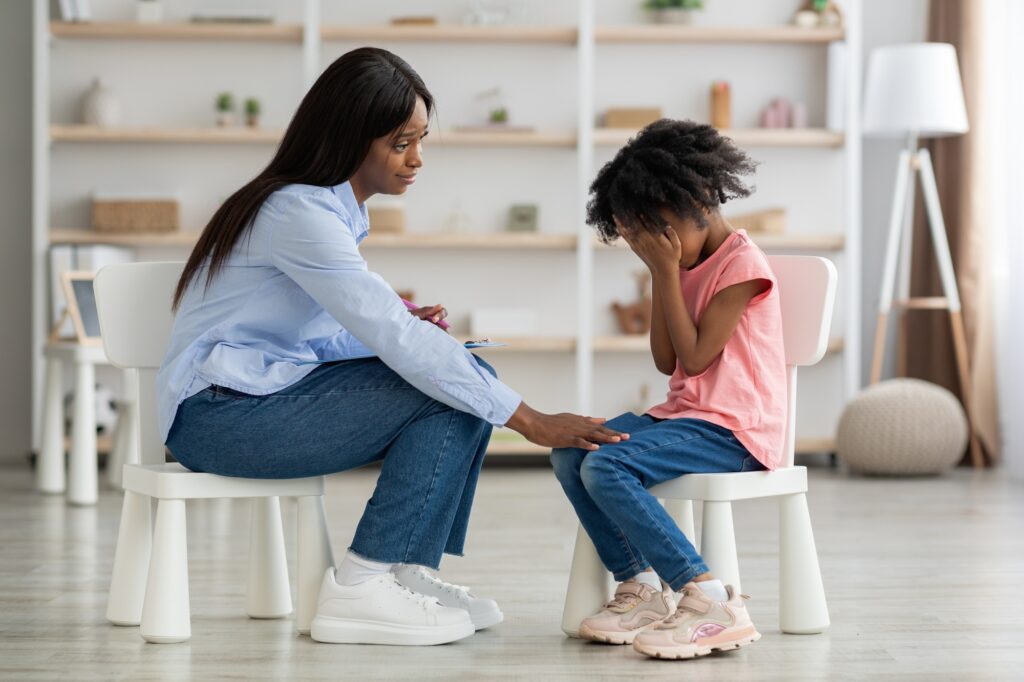
Children receive psychosocial support, meals, vocational training, and accelerated education. The organization also works closely with families to reduce dependence on child income and create long-term support plans.
For children once lost to labor, Hope Village offers a return to learning, dignity, and play.
Key Contributor #2: Banat Misr (Girls of Egypt)
Empowering Girls Through Education, Safety, and Advocacy
In rural governorates across Upper Egypt, Banat Misr is transforming girls’ lives by advocating for education, fighting early marriage, and running after-school mentorship programs. Their safe spaces give girls access to tutoring, reproductive health education, and support networks.
Banat Misr also trains mothers, teachers, and religious leaders on gender rights — helping communities protect and invest in their daughters. Their programs have reduced school dropout and delayed marriage in several high-risk villages.
The organization proves that when girls are supported, families and futures transform.
Key Event #1: Community School Renovation – Fayoum Governorate
Turning Abandoned Classrooms Into Opportunity
In 2023, a collective of volunteers, parents, and local NGOs renovated three rundown community schools in rural Fayoum. Crumbling walls were repaired, blackboards repainted, and broken benches replaced — all with local labor and heart.
Children once learning in dark, dusty corners returned to bright rooms filled with new books, water coolers, and proud teachers. Attendance rates soared.
This event showed that education doesn’t always require big budgets — just big belief.
Key Event #2: Girl Power Festival – Asyut
Celebrating and Defending Girls’ Rights Through Creativity
Held in 2024, the Girl Power Festival brought together hundreds of girls, artists, teachers, and activists in Asyut to celebrate gender equality through art, music, and spoken word. Participants created murals, performed poetry, and shared testimonies about overcoming discrimination and reclaiming their futures.
Workshops offered life skills, confidence building, and legal awareness. Families joined in — many hearing their daughters speak publicly for the first time.
The event wasn’t just about celebration — it was about building a future where every girl is heard.
Top Nonprofits Across Egypt
Meet the ten organizations making extraordinary strides in improving the lives of Egypt’s children — one community at a time.