Equatorial Guinea: Creating Space for Childhood in a Resource-Rich Nation
Explore Equatorial Guinea:
Learn how children in Africa’s wealthiest country by GDP per capita are still struggling with inequality, exclusion, and limited opportunity — and meet the changemakers making childhood possible again.
The Situation for Children in Equatorial Guinea
Despite its oil wealth, Equatorial Guinea faces one of the starkest contrasts between national revenue and public access to services. For children, this often means growing up with limited access to education, healthcare, or protection. These are the three most urgent challenges they face:
Inequality in Education Access and Quality
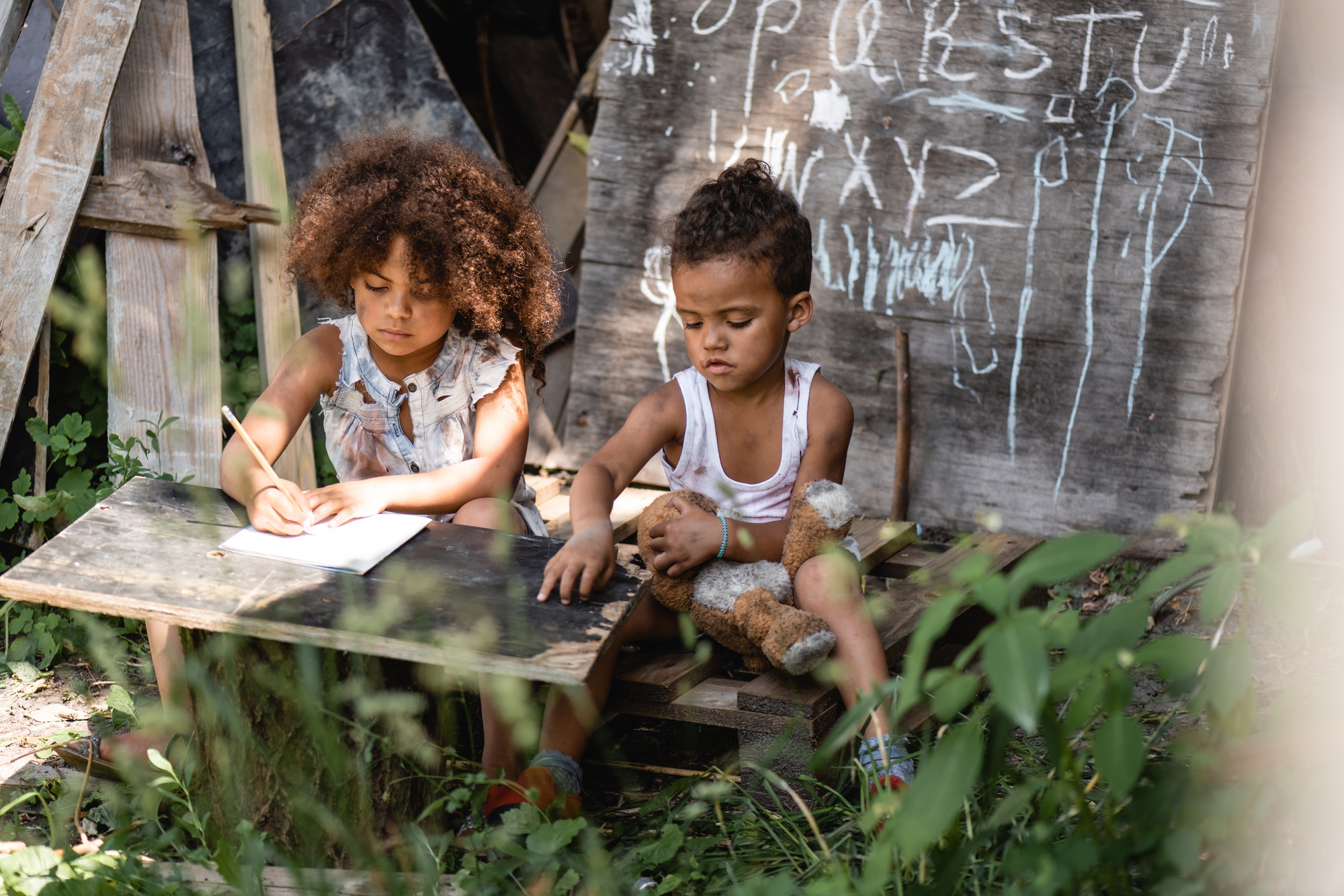
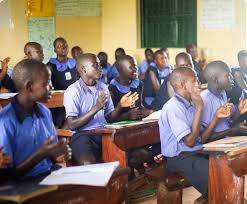
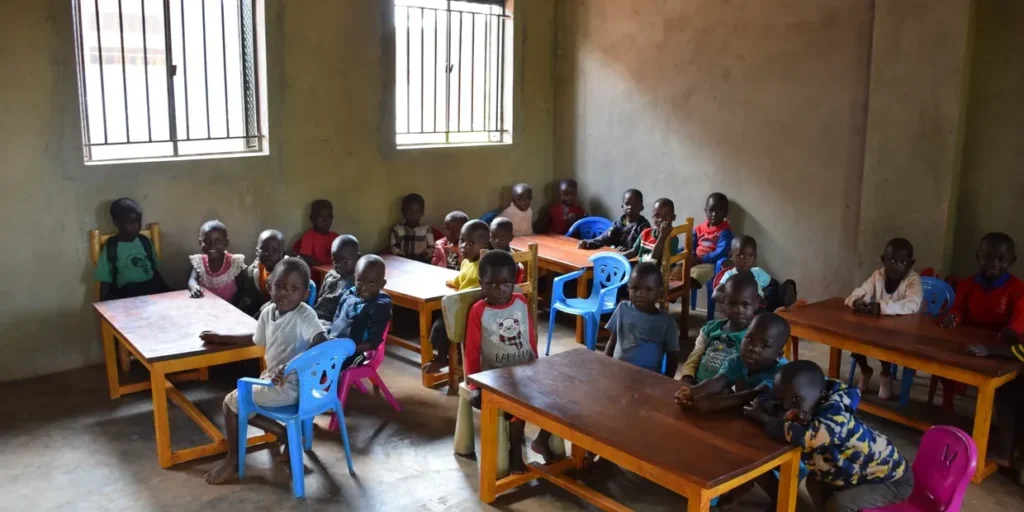
Many schools lack trained teachers, textbooks, or functioning infrastructure — especially in rural areas and on islands like Annobón. Children in low-income families often drop out early or never attend at all.
Limited Healthcare and High Child Mortality Rates
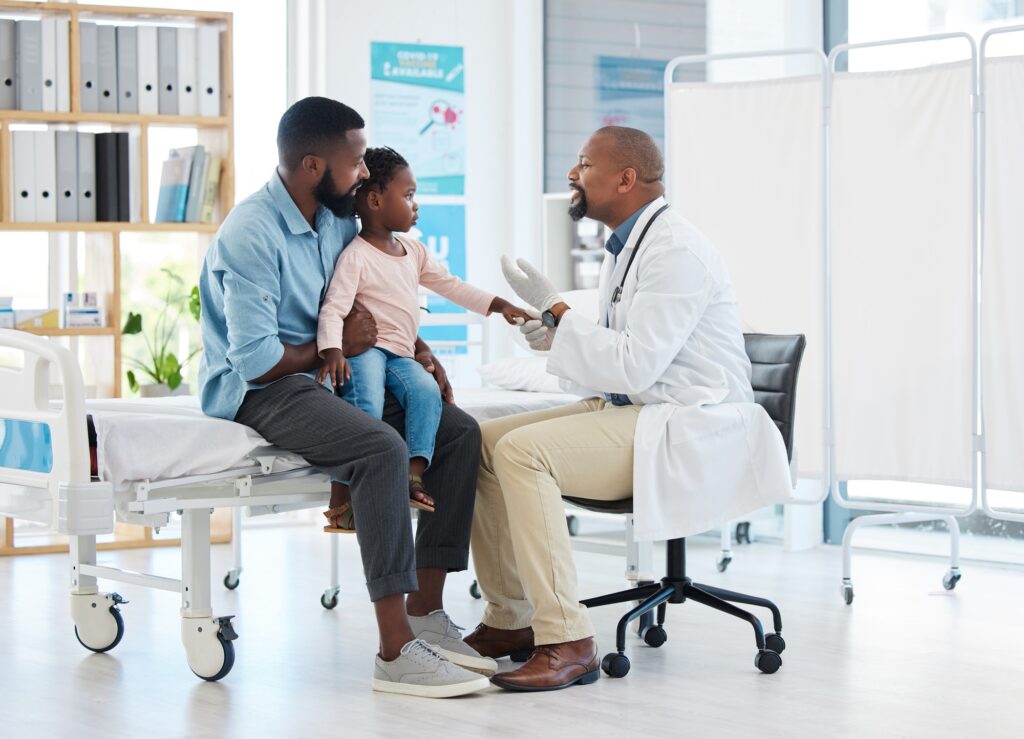
Despite state resources, basic healthcare for children remains out of reach for many. Vaccination rates are low, and many children die from preventable diseases like pneumonia or malaria due to inaccessible or poorly equipped clinics.
Neglect of Children With Disabilities and Vulnerable Populations
Children with disabilities and those from marginalized communities often face stigma, isolation, and lack of access to school or healthcare. There are few support systems or inclusive services to ensure their rights and well-being.
Despite these challenges, Uganda’s children remain full of hope — dreaming of education, health, and opportunities for a better tomorrow.
How We Help Amplify Change in Equatorial Guinea
At iam4allkids.org, we focus on what’s missing behind closed doors: accessible education, healthcare equity, and visibility for children excluded from the system. We support grassroots movements building safe, inclusive spaces in a nation where resources exist — but rarely reach those who need them most.
We:
Share stories of children overcoming gaps in education and care
Support outreach programs bringing basic services to rural and island communities
Elevate efforts to include children with disabilities and create equal opportunities for all
Even in countries with wealth, we fight for children who are still being left behind.
Why Equatorial Guinea is One of Our Focus Countries
Many children live without access to functioning schools or healthcare, especially outside of cities
Childhood disease and malnutrition persist despite national wealth
Children with disabilities remain hidden or unsupported in both education and community life
We believe every child deserves not just resources — but access, care, and respect.
A Message of Hope from Equatorial Guinea
Even in the shadows of inequality, children are stepping forward:
In rural classrooms, students are learning under trees while waiting for their first real school buildings.
On remote islands, healthcare volunteers are bringing medicine, screenings, and clean water to children who have gone without.
In community centers, children with disabilities are being welcomed — some for the first time ever.
And thanks to people like you, these efforts are growing stronger.
Change may be slow in Equatorial Guinea — but it has begun.
Key Contributor #1: Centro de Apoyo Infantil Malabo
Creating Safe Learning Spaces for At-Risk Children
In the capital city and surrounding areas, Centro de Apoyo Infantil Malabo (Malabo Child Support Center) provides tutoring, meals, and emotional support to children living in poverty or facing neglect. They operate after-school programs in under-resourced neighborhoods where children are often left without supervision or structured learning.
Teachers and volunteers support students with homework, literacy practice, and social-emotional skills. For many, it’s the only time they are heard, helped, or even hugged during the day.
The center offers what every child deserves: consistency, compassion, and care.
Key Contributor #2: Fundación Martínez Hermanos
Expanding Health and Education Access in Underserved Communities
Fundación Martínez Hermanos runs outreach programs focused on improving healthcare access, child nutrition, and school infrastructure in rural and island areas. Through mobile health clinics, school renovations, and food assistance, they reach children far from city services.
Their health caravans offer vaccinations, growth monitoring, and parental education — while their education projects repair roofs, provide books, and train local teachers.
Their work ensures that the benefits of national wealth finally reach the children most in need.
Key Event #1: Rural Classroom Project – Wele-Nzas Province
Bringing Education to the Doorsteps of Isolated Children
In 2023, Fundación Martínez Hermanos, local leaders, and volunteers launched the Rural Classroom Project, building and equipping small satellite classrooms in villages where children had been walking hours to reach school — or not going at all.
The new buildings included desks, chalkboards, and trained local teachers, plus a water tank to support sanitation and hydration. Parents helped with construction, and teachers began home visits for children needing extra support.
For these villages, the classroom meant more than education — it meant inclusion.
Key Event #2: Children With Dignity Day – Malabo
Shining a Light on Disability and Belonging
In 2024, disability advocates and educators hosted Children With Dignity Day, the first major awareness event in Malabo dedicated to children with disabilities. The event featured inclusive games, performances by children with physical and intellectual disabilities, and a public roundtable on disability rights in schools.
Parents shared stories of isolation — and hope. Teachers received toolkits for building inclusive classrooms. Children made new friends, free from judgment.
The event marked a turning point: for the first time, many children felt seen not as burdens — but as full members of the community.
Top Nonprofits Across Equatorial Guinea
Meet the five organizations making extraordinary strides in improving the lives of Equatorial Guinea’s children — one community at a time.