Ethiopia: Protecting Childhood Across Borders of Conflict and Hope
Explore Ethiopia:
Learn how children across this historic and diverse country are surviving war, hunger, and displacement — and meet the grassroots efforts helping them rebuild their futures.
The Situation for Children in Ethiopia
Ethiopia is a country of rich history and remarkable resilience. But today, its children face severe challenges from ongoing conflict, displacement, and inequality — all of which threaten their safety, education, and emotional well-being. These are the three most urgent challenges they face:
Conflict-Driven Displacement and Child Trauma
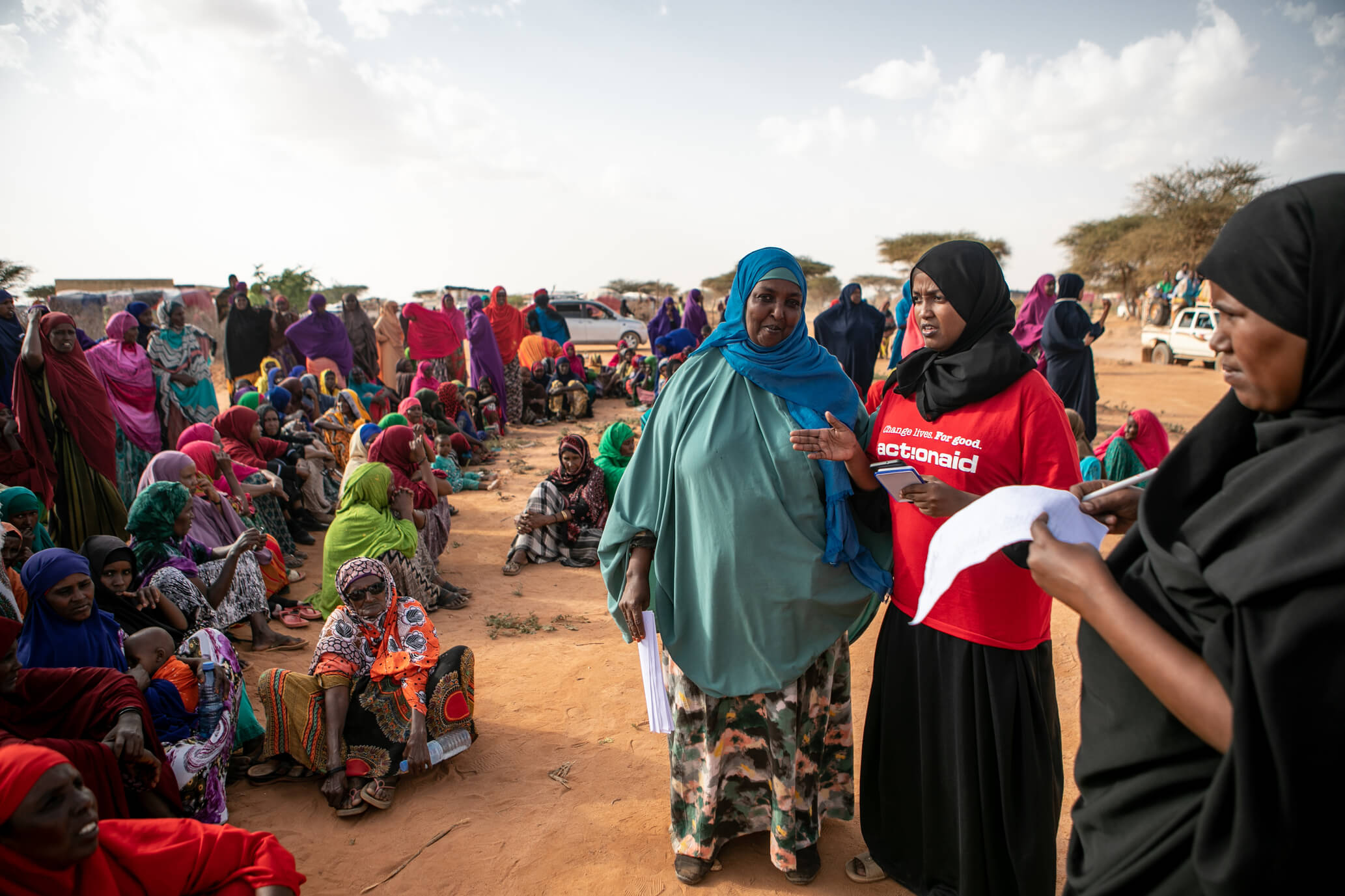
Armed conflict in regions like Tigray, Amhara, Oromia, and Afar has displaced over 4 million people, with children making up the majority. Many have lost parents, homes, or access to school — and live with trauma that is rarely addressed.
Food Insecurity and Malnutrition
Drought, inflation, and violence have created widespread hunger. Millions of children are malnourished, especially in pastoralist and rural regions, where food and medical support are difficult to access.
Limited Access to Education in Rural and Crisis-Affected Areas
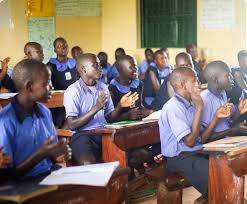
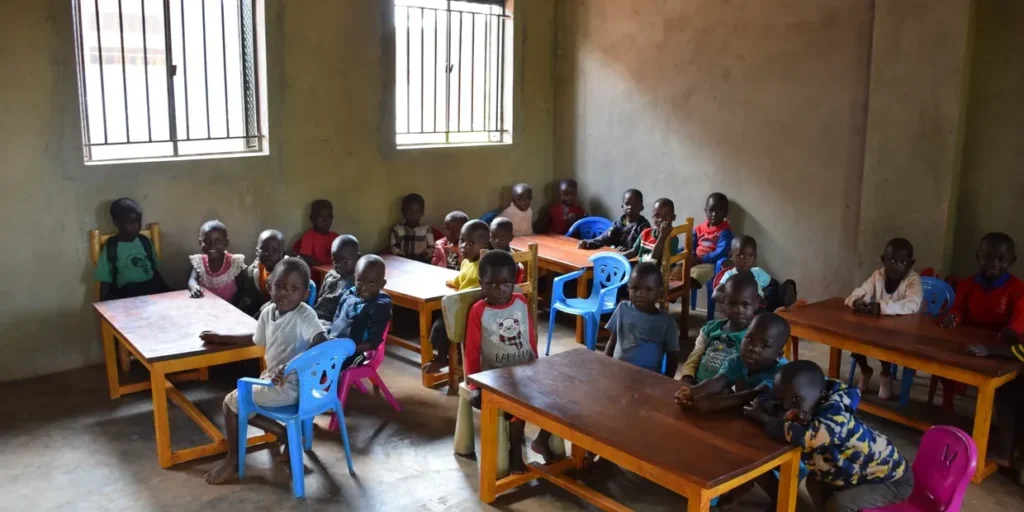
While school enrollment has improved nationally, many children — especially girls, disabled students, and those in conflict zones — lack access to safe, inclusive, and functional schools.
Despite these challenges, Uganda’s children remain full of hope — dreaming of education, health, and opportunities for a better tomorrow.
How We Help Amplify Change in Ethiopia
At iam4allkids.org, we stand with Ethiopia’s children — in camps, classrooms, villages, and cities — and amplify the voices of those working to restore education, nutrition, and dignity amid the crisis.
We:
Support mobile schools, learning kits, and emergency classrooms in displacement zones
Share stories of children overcoming hunger and returning to learning
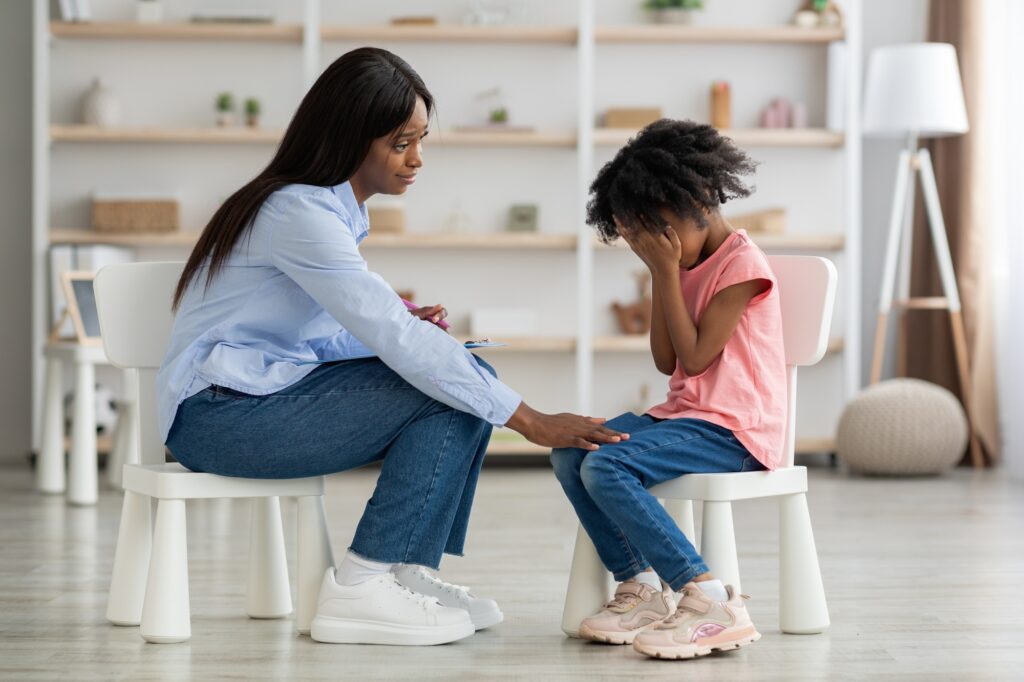
Elevate programs addressing trauma through art, mentorship, and safe play
Even in the shadow of conflict, we help childhood rise again.
Why Ethiopia is One of Our Focus Countries
Ethiopia’s children are growing up at a crossroads of crisis and opportunity.
Millions of children have been displaced or lost access to schooling due to war
Severe hunger continues to threaten physical and mental development
Schools and support systems remain fragile in regions where they’re needed most
We believe Ethiopia’s children deserve more than survival — they deserve security, support, and strength to shape the country’s next chapter.
A Message of Hope from Ethiopia
Even amid war and hardship, hope persists:
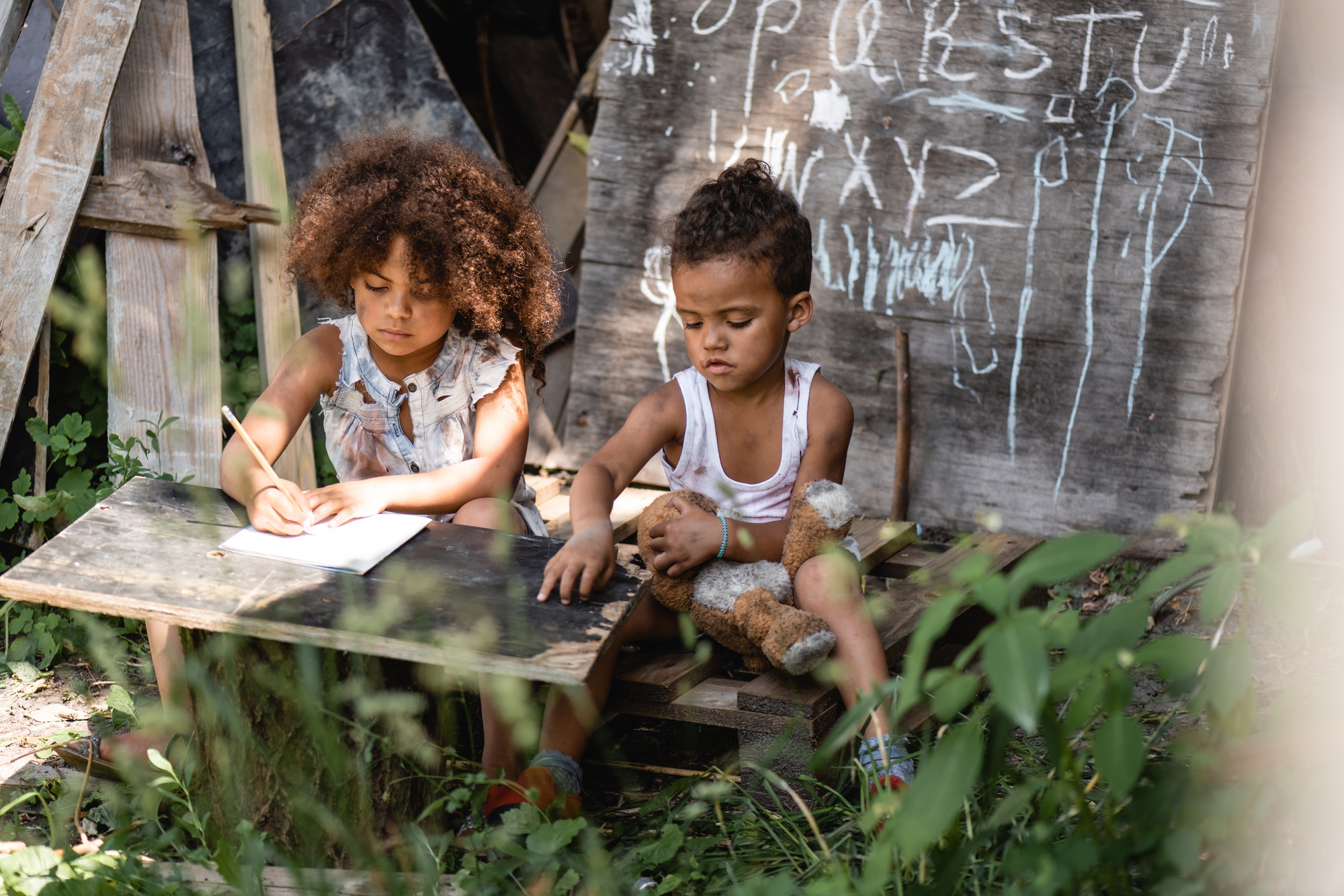
In conflict zones, community teachers are reopening classrooms with chalk, tarps, and courage.
In drought-stricken villages, school meals are keeping children healthy — and enrolled.
In IDP camps, art therapy and sports are helping children smile again.
Thanks to people like you, these efforts are reaching the world.
In every region, from highlands to lowlands, Ethiopia’s children are still learning — still dreaming.
Key Contributor #1: Imagine1Day
Rebuilding Schools and Training Teachers in Post-Conflict Regions
Imagine1Day works across Ethiopia to build and repair schools, train teachers, and provide essential supplies in underserved and post-conflict communities. Their focus is on improving rural education infrastructure and creating inclusive learning environments for displaced and vulnerable children.
Through community partnerships, they also help parents understand the long-term value of education — especially for girls.
From Tigray to Oromia, Imagine1Day is making school feel possible again.
Key Contributor #2: Mary Joy Development Association
Supporting Vulnerable Children With Health, Mentorship, and Community Care
In Addis Ababa and surrounding areas, Mary Joy provides psychosocial support, health checkups, life-skills mentorship, and schooling access for orphans and children living in poverty or displacement.
Their community-based approach ensures each child has a support system — whether through foster care, teen mentorship, or neighborhood outreach.
Mary Joy doesn’t just offer services. They offer childhood — restored and respected.
Key Event #1: Emergency School Kit Delivery – Afar Region
Helping Displaced Children Resume Learning on the Move
In 2023, Imagine1Day launched an Emergency School Kit Delivery program to distribute backpacks, solar lights, notebooks, and basic classroom materials to children displaced by conflict in the Afar region.
Volunteers traveled on foot and camel to reach rural settlements where formal schooling had stopped. Children gathered in shaded tents, wrote their names again, and began lessons taught by local educators.
The kits did more than restore learning — they restored routine, purpose, and pride.
Helping War-Affected Youth Express Emotion Through Art and Dialogue
Held in 2024, the Healing Hearts Workshop brought together children affected by war for three days of creative expression and emotional healing. Participants painted memory walls, wrote poetry about their lost homes, and engaged in group storytelling.
Trained counselors helped children name emotions they had never been allowed to speak aloud — grief, fear, hope. Parents joined on the final day to view the art and commit to family healing practices.
For many youth, it was the first time anyone asked, “How do you feel?”
Top Nonprofits Across Ethiopia
Meet the ten organizations making extraordinary strides in improving the lives of Ethiopia’s children — one community at a time.