Mauritius: Protecting Childhood Beyond the Beaches
Explore Mauritius:
Beyond its postcard image lies a quieter reality — where children face school inequality, hidden abuse, and economic struggle. Meet the grassroots champions fighting for their dignity and future.
The Situation for Children in Mauritius
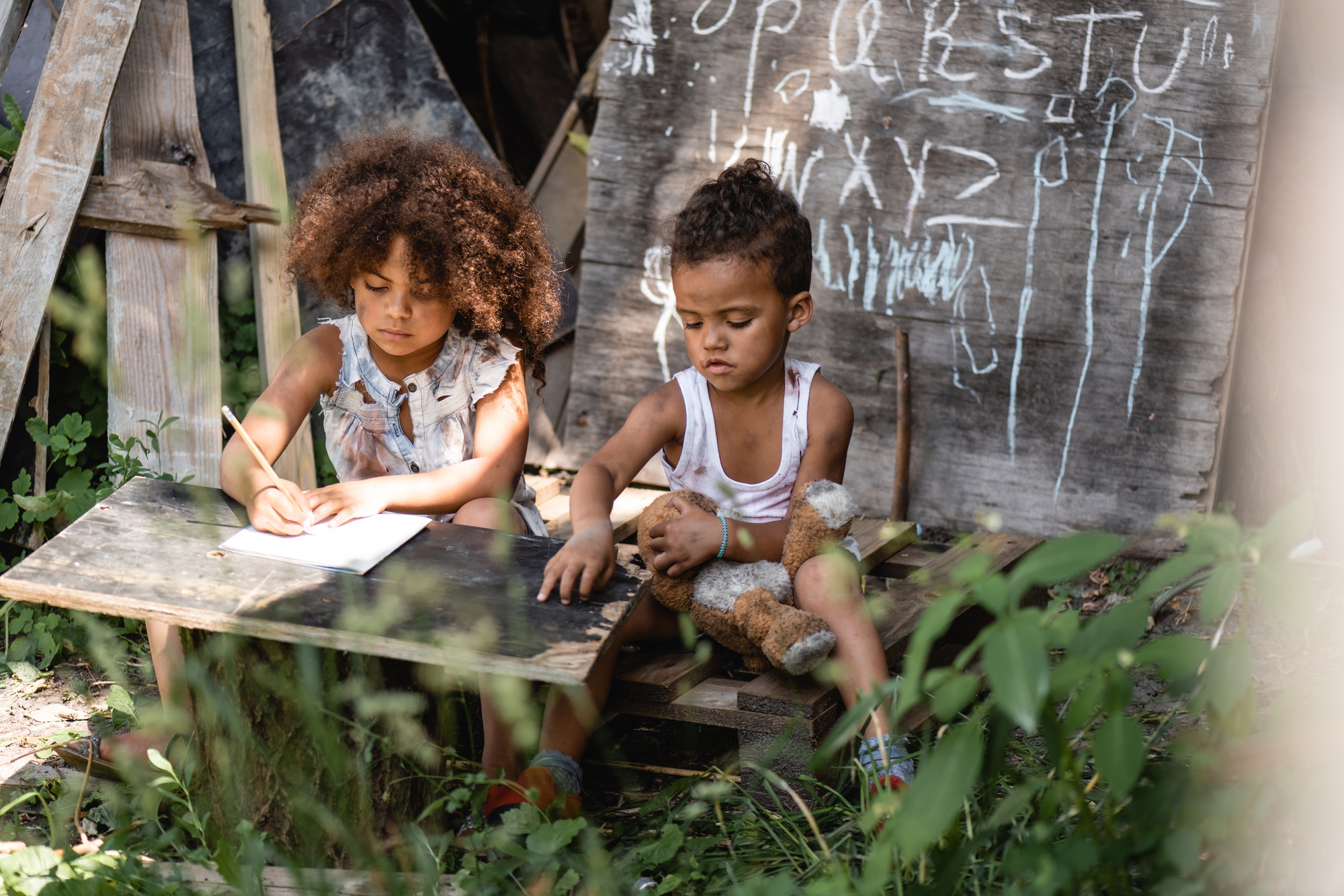
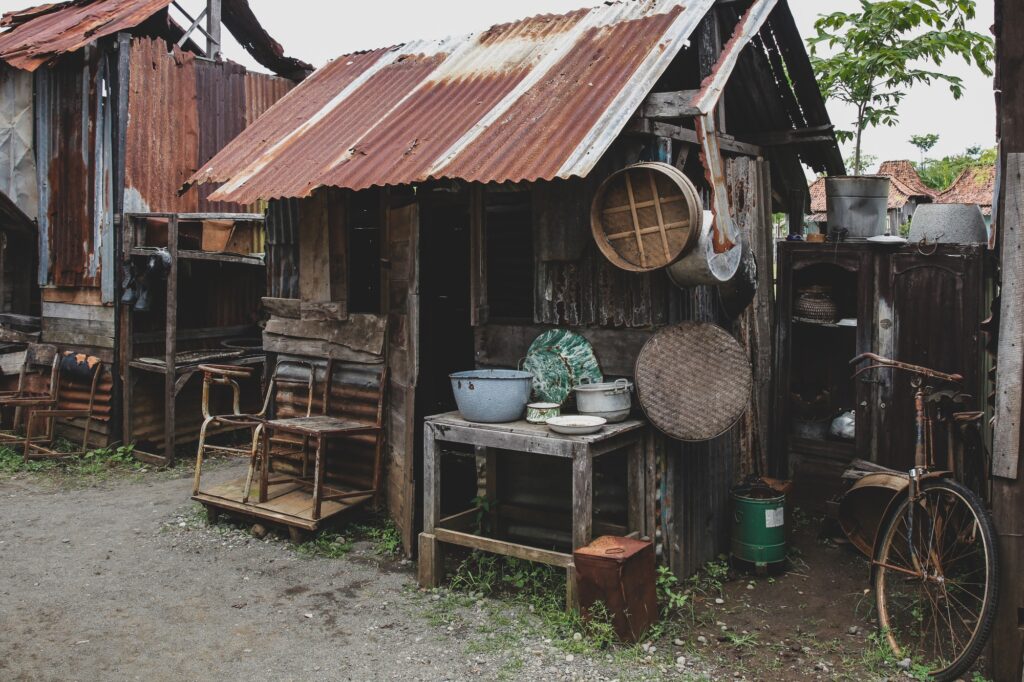
Mauritius is often seen as a paradise — but beneath the surface, many children live through poverty, violence, and educational exclusion. From urban slums to sugar estates, the island’s most vulnerable youth face challenges few tourists ever see. These are the three most urgent issues:
Hidden Child Abuse and Domestic Violence
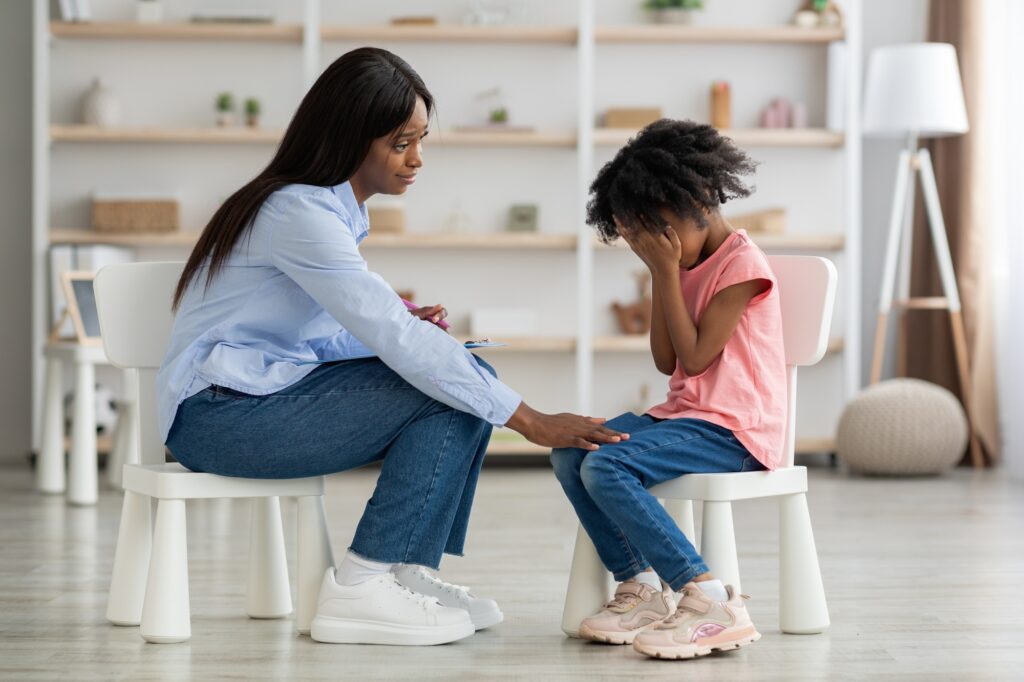
Many children in low-income neighborhoods experience emotional, physical, or sexual abuse — often in silence. Shame, fear, and cultural taboos prevent them from seeking help.
Education Inequality and Dropout Among Poor and Rural Youth
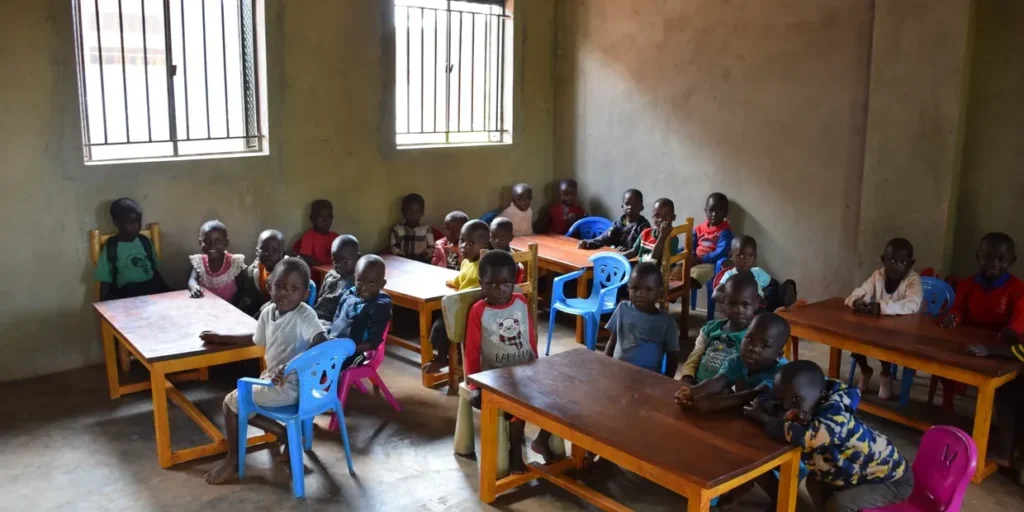
While education is technically free, private tutoring, transport costs, and unequal school quality leave low-income children — especially in rural and coastal areas — struggling to stay in class.
Poverty and Family Breakdown in Urban Margins
Unemployment, substance abuse, and family fragmentation have led to increased juvenile delinquency, mental health struggles, and neglect — particularly in areas like Roche Bois and Cité La Cure.
Despite these challenges, Uganda’s children remain full of hope — dreaming of education, health, and opportunities for a better tomorrow.
How We Help Amplify Change in Mauritius
At iam4allkids.org, we look beyond brochures — and into the neighborhoods where children live with pain, silence, and potential. In Mauritius, we amplify the work of those addressing abuse, inequality, and exclusion where they live.
We:
Share stories of children breaking cycles of trauma and finding safety
Highlight education programs that meet kids where the system fails
Support youth centers offering mentorship, protection, and second chances
Because childhood should be more than survival — even in “paradise.”
Why Mauritius Is One of Our Focus Countries
Mauritius is peaceful and prosperous — but not for all its children.
Thousands experience abuse or neglect with little support
Dropout and failure rates are highest among poor and minority communities
Mental health and youth support services are critically underfunded
We believe Mauritius’s children deserve more than beauty — they deserve belonging, safety, and equal opportunity.
A Message of Hope From Mauritius
Even in silence, change speaks:
In coastal towns, abused children are finding refuge and trusted adults.
In alleyways once marked by gangs, youth are mentoring each other toward better choices.
In public housing blocks, after-school programs are giving kids the support schools never did.
And because of your support, the quiet stories are now being heard.
In Mauritius, every child’s truth matters — and change is rising with them.
Key Contributor #1: Centre d’Éducation et de Développement pour Enfants Mauriciens (CEDEM)
Sheltering and Supporting Children Escaping Abuse and Neglect
CEDEM offers emergency housing, psychosocial care, and reintegration services for children who have been abused, abandoned, or exploited. Their shelters are warm, family-style spaces where children receive counseling, education support, and consistent care.
They also run school-based abuse prevention programs and work with authorities to protect children in high-risk communities. For kids who lost trust in adults, CEDEM helps rebuild it — gently and daily.
In a system that often looks away, CEDEM looks closer.
Key Contributor #2: Pédagogie Alternatif et Développement Enfant (PADE)
Fighting Education Inequality Through Inclusive, Child-Centered Learning
PADE works with children who struggle in traditional classrooms — offering remedial education, mentorship, and life skills in underserved neighborhoods. They specialize in helping kids labeled “failures” rediscover learning through play, creativity, and community.
PADE also trains teachers and caregivers to support children with behavioral or learning difficulties without shame or punishment.
Where others see dropouts, PADE sees leaders in the making.
Key Event #1: Voices of Silence Campaign – Port Louis
Breaking the Taboo Around Child Abuse Through Art and Testimony
In 2023, CEDEM organized the Voices of Silence Campaign — an art and storytelling initiative that gave abused and neglected children a platform to speak out safely. Through paintings, poems, and anonymous testimonies, children shared their stories in galleries, schools, and town halls.
The event sparked national conversation and led to new teacher training in abuse recognition and response.
It showed the country what happens when children are allowed to speak — and believed.
Key Event #2: Learning Without Labels Festival – Curepipe
Celebrating Children Left Behind by Traditional Schools
In 2024, PADE hosted the Learning Without Labels Festival, inviting children labeled as “slow” or “difficult” to showcase talents in music, science, and storytelling. Parents and educators joined for workshops on emotional learning and inclusive education methods.
Children beamed as they led performances, built models, and explained projects — many for the first time outside a punishment-based classroom.
The festival rewrote what success looks like — and who gets to define it.
Top Nonprofits Across Mauritius
Meet the organizations restoring dignity, support, and learning to Mauritius’s most vulnerable youth: