Mozambique: Holding on to Childhood Through Storms and Struggle
Explore Mozambique:
Discover how children are navigating displacement, exploitation, and disaster recovery in this southern African nation — and meet the grassroots groups working to keep them learning, safe, and seen.
The Situation for Children in Mozambique
Mozambique’s children are growing up amid overlapping crises — from armed conflict in the north to devastating cyclones along the coast. In both rural and urban areas, many children face daily danger, hunger, or loss. These are the three most urgent challenges:
Conflict and Displacement in Northern Provinces
Ongoing violence in Cabo Delgado has displaced over 1 million people. Children live in camps with little access to schooling, security, or psychosocial support, and some are vulnerable to trafficking or recruitment.
Natural Disasters and Climate Vulnerability
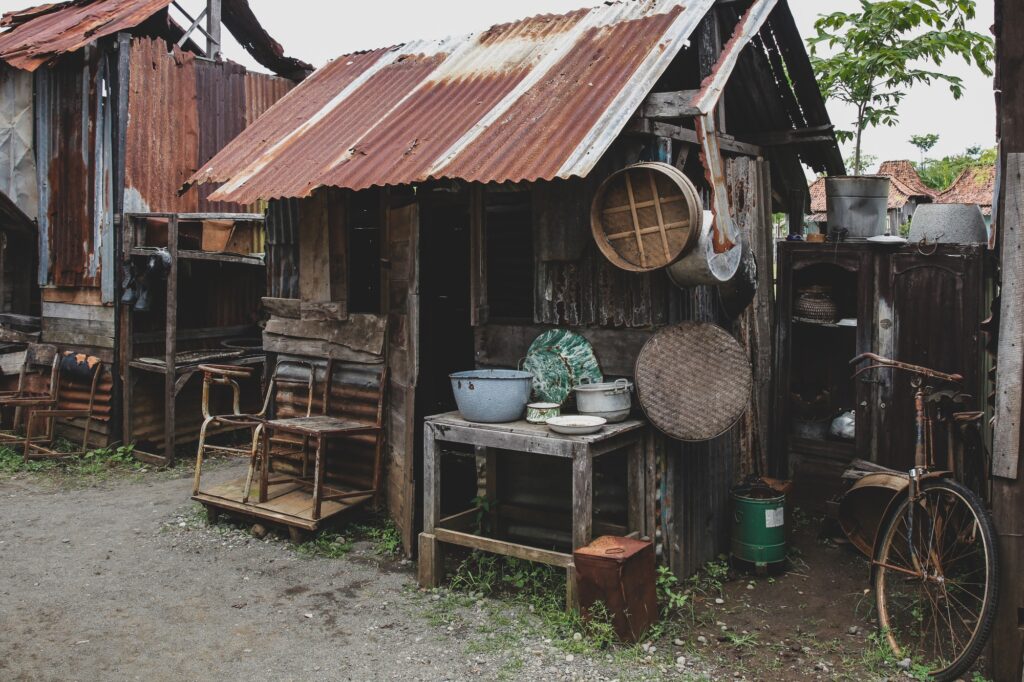
Mozambique is one of the world’s most disaster-prone countries. Repeated cyclones and floods have destroyed schools, homes, and healthcare facilities, leaving children without stability or shelter.
Early Marriage and Exploitation in Rural Communities
In many provinces, girls as young as 12 are married due to poverty, tradition, or displacement. Others are forced into domestic labor or trading sex for food and protection.
Despite these challenges, Uganda’s children remain full of hope — dreaming of education, health, and opportunities for a better tomorrow.
How We Help Amplify Change in Mozambique
At iam4allkids.org, we stand with children weathering storms — both natural and man-made. In Mozambique, we highlight organizations providing food, education, and safety to the most vulnerable youth.
We:
Spotlight mobile schools and trauma care in conflict and disaster zones
Share survivor stories from girls escaping child marriage or labor
Support shelters and youth-led resilience programs in refugee and rural communities
In Mozambique, hope isn’t just a word — it’s a lifeline.
Why Mozambique Is One of Our Focus Countries
Mozambique’s children are strong — but far from safe.
More than 1.1 million people — half of them children — remain displaced by violence
Recurring cyclones continue to destroy schools and isolate communities
Early marriage affects nearly 50% of girls, many without recourse or support
We believe children in Mozambique deserve peace, safety, and the tools to rebuild their lives — no matter the storm.
A Message of Hope From Mozambique
Even in crisis, care survives:
In conflict zones, children are learning under tarps with crayons and courage.
In flood-hit towns, girls are organizing peer support circles and teaching each other.
In healing shelters, children are drawing what they want to become — and believing it’s still possible.
And because of your support, their stories are reaching the world.
In Mozambique, resilience is a daily act of love.
Key Contributor #1:
Associação Hixikanwe
Providing Emergency Support and Protection for Displaced Children
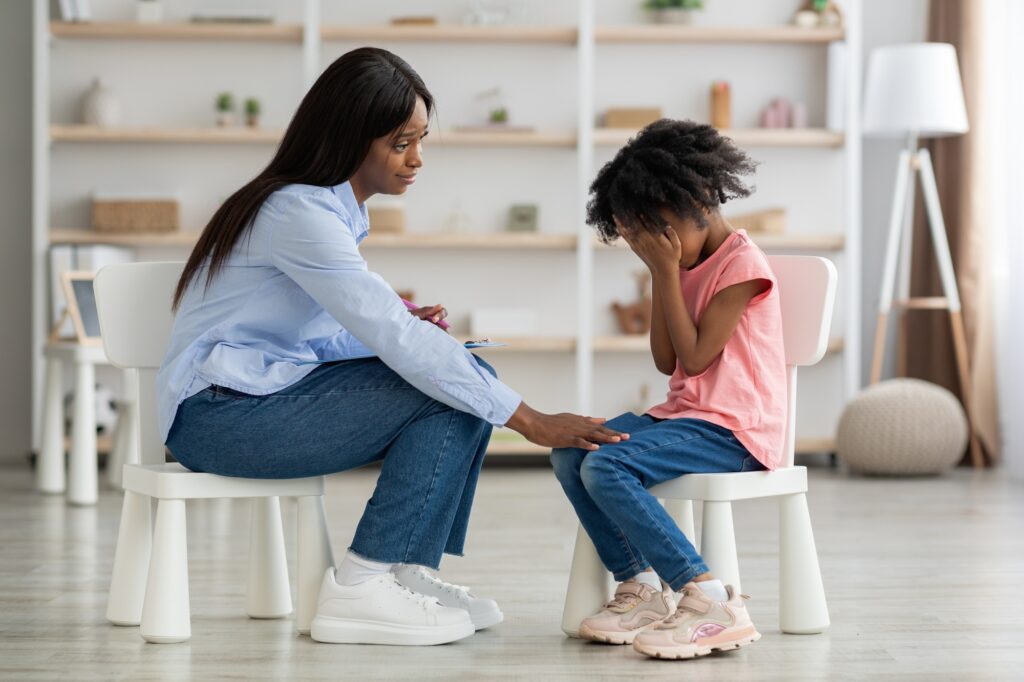
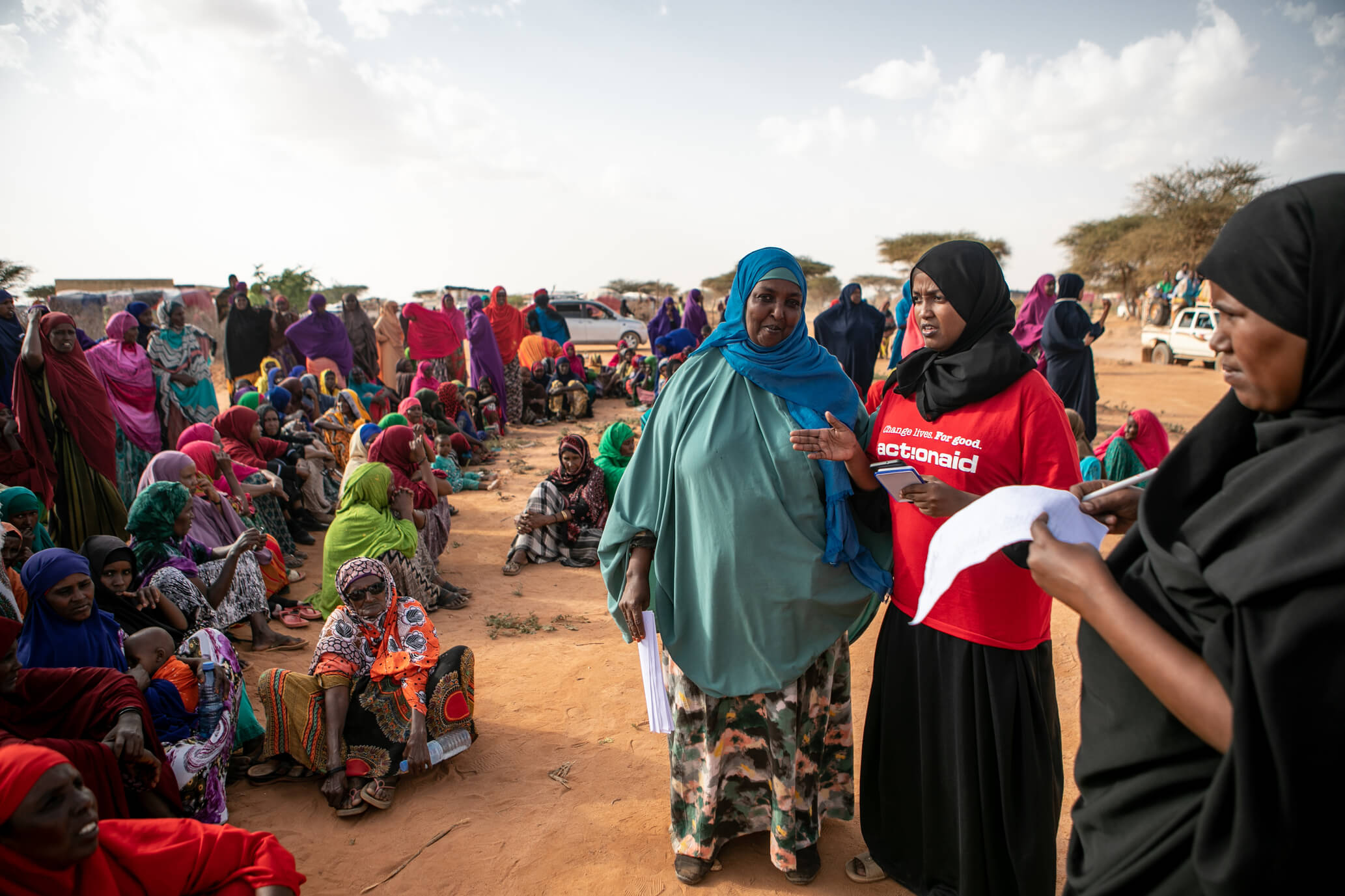
Hixikanwe operates in the northern provinces, providing food, school kits, trauma care, and legal aid to children displaced by the insurgency. Their mobile outreach teams offer case management and connect youth with safe spaces for healing and learning.
They also run girls’ protection clubs inside IDP camps to address early marriage and sexual exploitation.
For children who’ve lost homes and hope, Hixikanwe brings presence — and protection.
Key Contributor #2: Geração Biz Program (Youth Generation Program)
Empowering Youth With Life Skills, Reproductive Health, and Rights Education
Implemented by local organizations across Mozambique, Geração Biz empowers teens with information on sexual health, child marriage prevention, and leadership development. In rural schools and urban centers alike, peer educators lead honest conversations and connect students to services.
Girls learn how to advocate for themselves. Boys learn what respect means. And youth begin to imagine safer, more equal futures.
It’s not just a program — it’s a movement for voice and choice.
Bringing Education and Healing to Children Displaced by Conflict
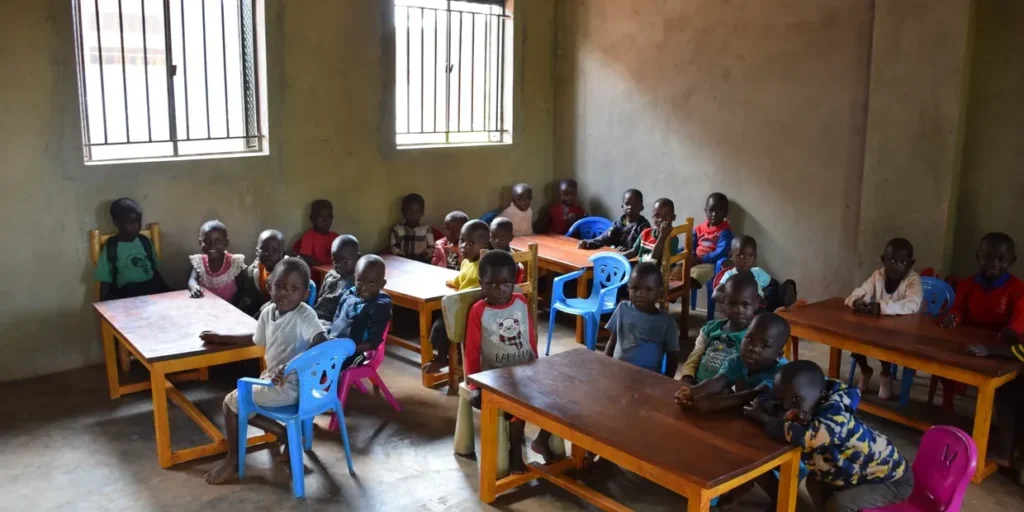
In 2023, Hixikanwe and local partners established Safe Learning Spaces in temporary shelters across Cabo Delgado. These spaces combined early childhood activities, primary education, and trauma-informed care for children who had witnessed violence and fled armed groups.
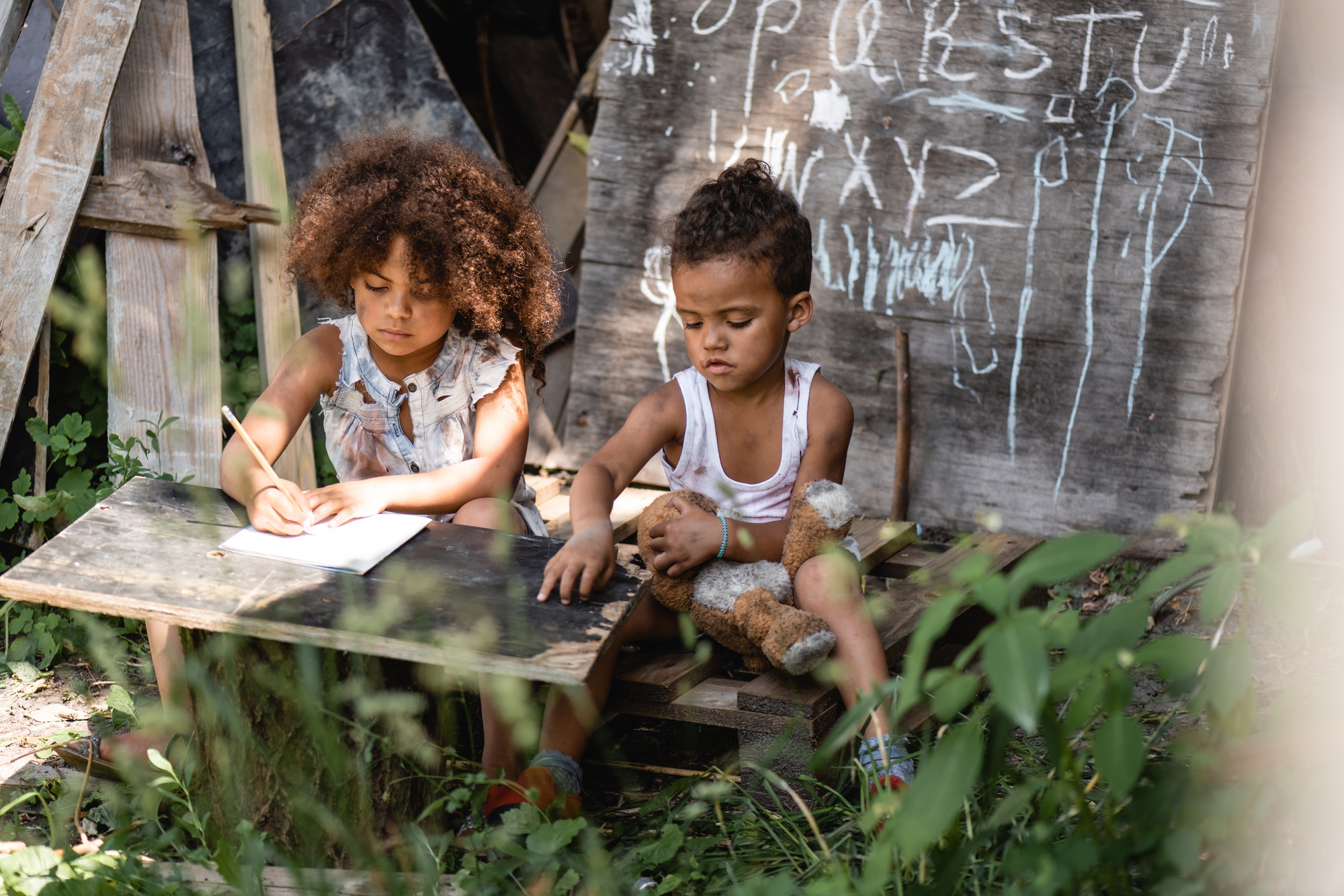
Children colored drawings of peace, told stories, and sang in their home languages. Teachers helped restore learning routines, while parents attended group healing sessions.
The classrooms were simple — but for many, they were the first safe place in months.
Key Event #2: Girls’ Rights Caravan – Zambézia Province
Mobilizing Communities to End Child Marriage Through Art and Dialogue
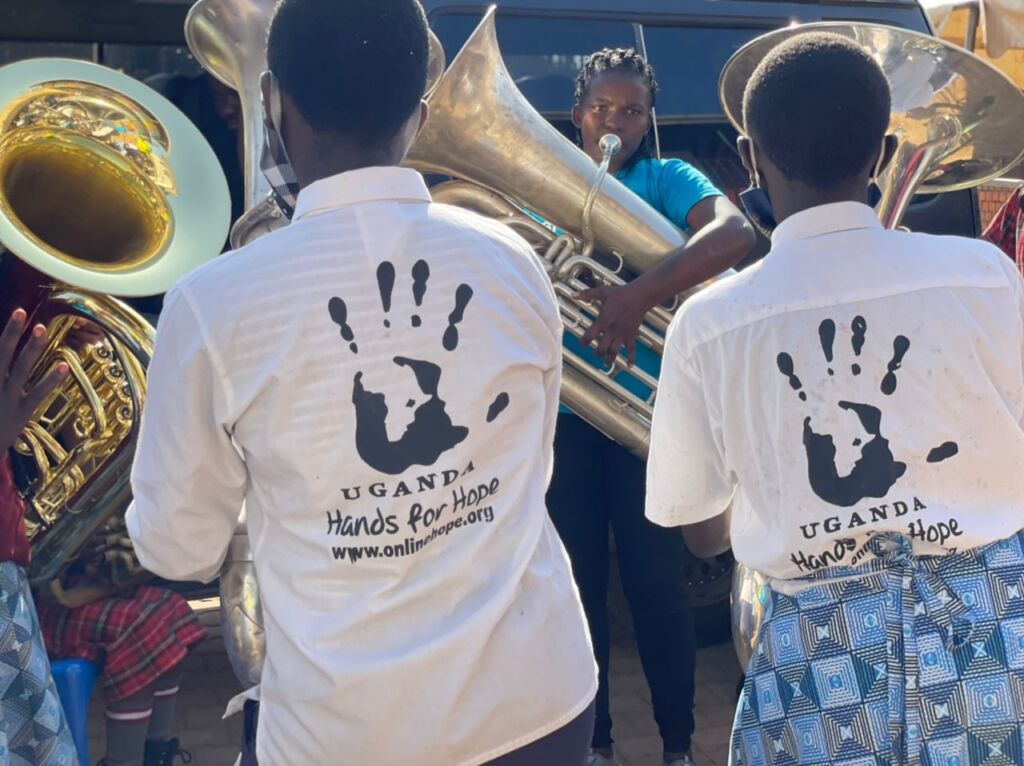
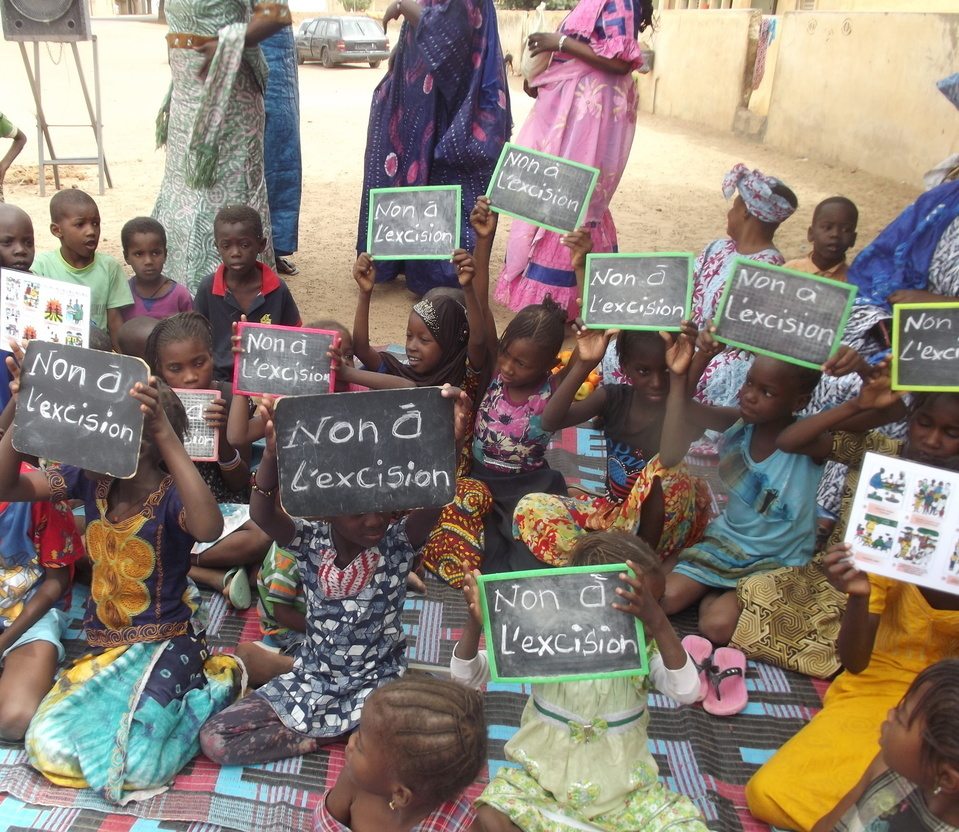
In early 2024, the Geração Biz youth network launched a Girls’ Rights Caravan, traveling to remote villages with music, street theater, and youth-led panels about early marriage, school dropout, and consent.
Teen girls shared personal testimonies, while peer educators hosted Q&As for parents and traditional leaders. In some communities, elders pledged to delay marriages and support girls’ schooling.
The caravan made the invisible visible — and gave girls space to speak.
Top Nonprofits Across Mozambique
Meet the organizations rebuilding safety, dignity, and learning across Mozambique’s conflict and disaster zones: