Niger: Protecting the Youngest in One of the World’s Hardest Places to Grow Up
Explore Niger:
In this Sahelian nation shaped by conflict, hunger, and climate crisis, children are holding on to hope — and local heroes are working every day to keep it alive.
The Situation for Children in Niger
Niger is consistently ranked among the world’s poorest nations — and children bear the heaviest burden. From early marriage to hunger and displacement, survival often comes before schooling. These are the three most urgent challenges:
Child Marriage and Girls Forced Out of School
Nearly 3 in 4 girls are married before the age of 18. Many drop out by grade 5 and face lifelong consequences — from early childbirth to lost opportunities and emotional trauma.
Food Insecurity and Widespread Malnutrition
Prolonged drought, poverty, and instability have left over 40% of children chronically malnourished. In some regions, children go days without meals or rely on humanitarian aid to survive.
Conflict Displacement and Border Insecurity
Armed violence in western and southeastern border areas has displaced tens of thousands of families. Many children live in informal camps with no school access, high trauma, and risks of trafficking or recruitment.
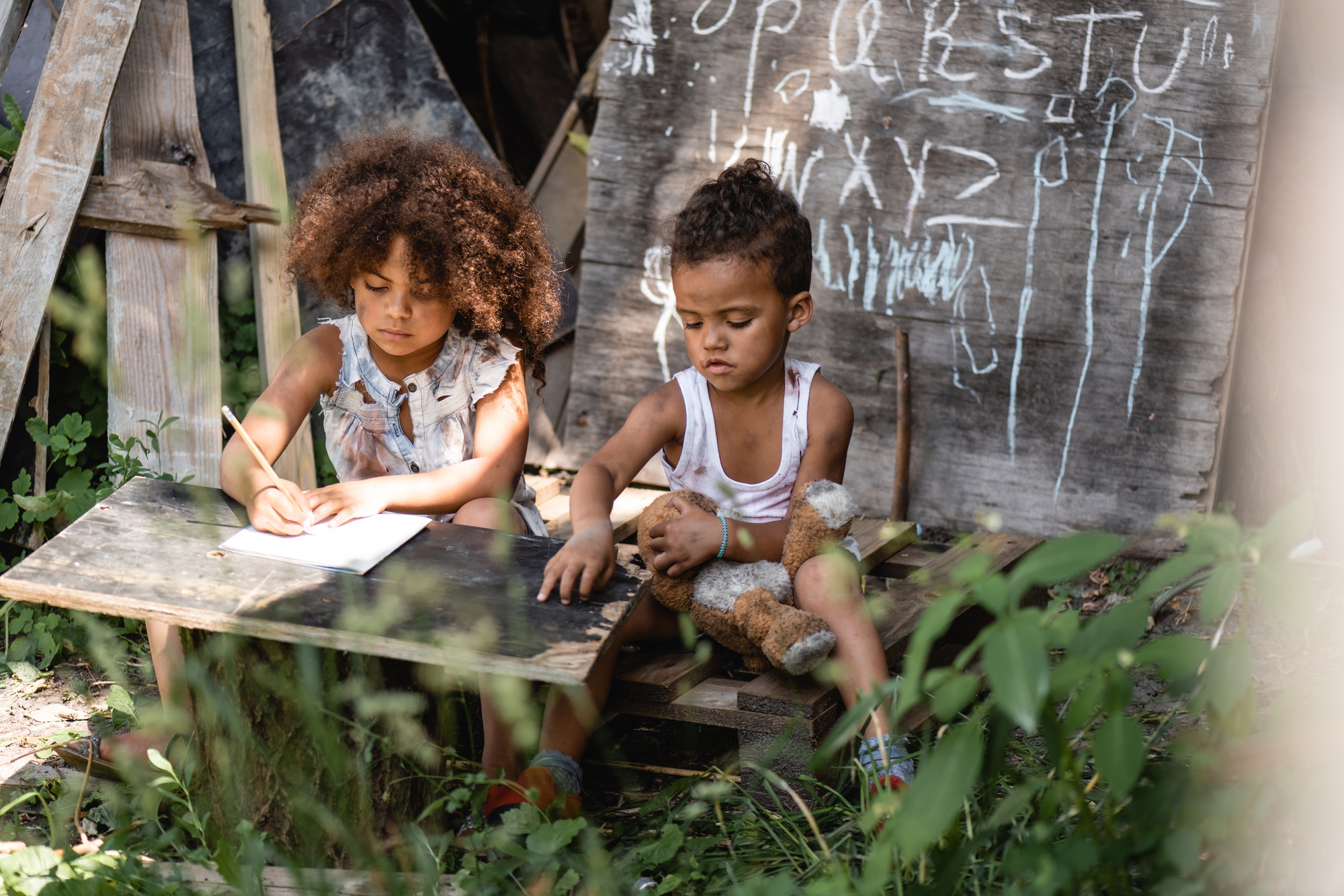
Despite these challenges, Uganda’s children remain full of hope — dreaming of education, health, and opportunities for a better tomorrow.
How We Help Amplify Change in Niger
At iam4allkids.org, we walk with the children growing up on the front lines of hunger and conflict. In Niger, we amplify organizations that protect girls, restore nutrition, and help children find safety after loss.
We:
Highlight grassroots shelters and schools for child brides and orphans
Support food distribution, early childhood care, and trauma healing in crisis zones
Share the stories of children surviving — and rising — despite the odds
In Niger, childhood hangs by a thread — and we help hold it together.
Why Niger Is One of Our Focus Countries
Niger’s children are the most at risk — and the least seen.
73% of girls are married before 18 — the highest rate in the world
44% of children under five are chronically malnourished
Over 600,000 people — many of them children — are displaced by armed conflict
We believe children in Niger deserve freedom, nourishment, and a safe place to learn and be heard.
A Message of Hope From Niger
Even where little grows, resilience blooms:
In dusty villages, girls once pulled from school are now leading peer learning circles.
In refugee tents, children are coloring dreams they still dare to chase.
In drought-stricken areas, small gardens are rising from sand — and so are spirits.
And because of your support, Niger’s children are no longer invisible.
In Niger, every life saved is a victory — and every story told is a light.
Key Contributor #1: ONG Lafia Matassa
Protecting Young Brides and Rebuilding Futures for Girls
Lafia Matassa runs community shelters and school reentry programs for girls escaping early marriage in the Tahoua and Zinder regions. Their team offers legal aid, vocational training, and emotional healing to girls who were once seen only as wives or laborers.
They also lead parent workshops and village advocacy events to shift mindsets around girls’ education.
For every girl told to give up, Lafia Matassa gives a second chance.
Key Contributor #2: HED Tamat
Feeding, Listening, and Supporting Children Displaced by Violence
HED Tamat provides emergency food aid, mobile learning, and psychosocial support to children affected by conflict in Niger’s border regions. In places where schools have shut down, they set up tents, bring chalkboards, and teach wherever children gather.
They also train young peer educators in trauma recovery and conflict prevention — helping youth become protectors, not victims.
In a place of fear, HED Tamat builds small circles of peace.
Key Event #1: Back to Learning Campaign – Diffa Region
Helping Displaced Children Restart School With Dignity and Support
In 2023, HED Tamat launched the Back to Learning Campaign, enrolling over 1,500 displaced children in makeshift classrooms. Children received learning kits, food packs, and counseling — while community educators were trained in trauma-informed methods.
Parents joined sessions on school importance and child protection, helping rebuild trust in education.
The campaign didn’t just restart school — it reignited hope.
Key Event #2: Girls’ Rights Forum – Maradi and Tahoua
Uniting Survivors, Mothers, and Elders to End Child Marriage
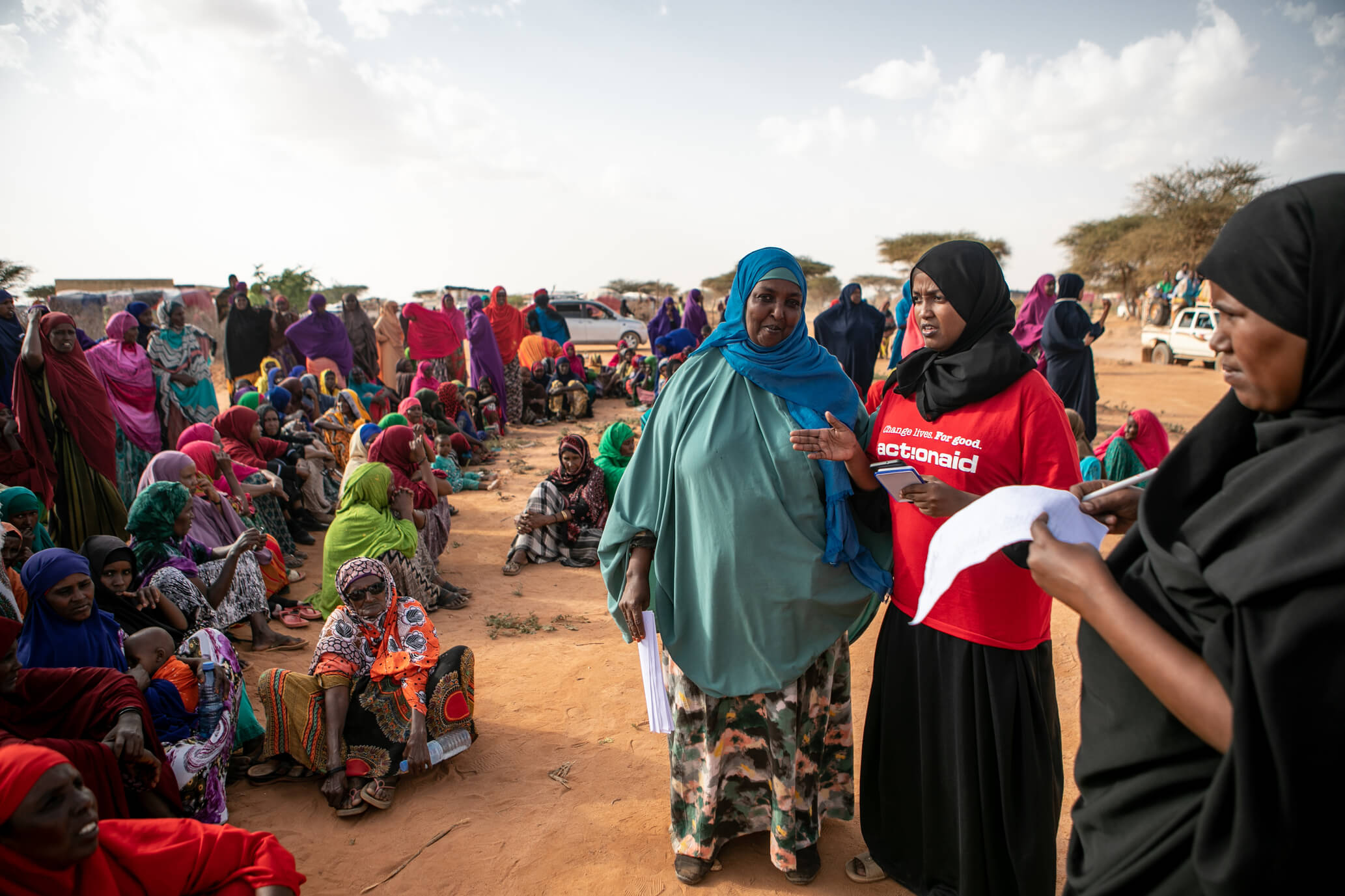
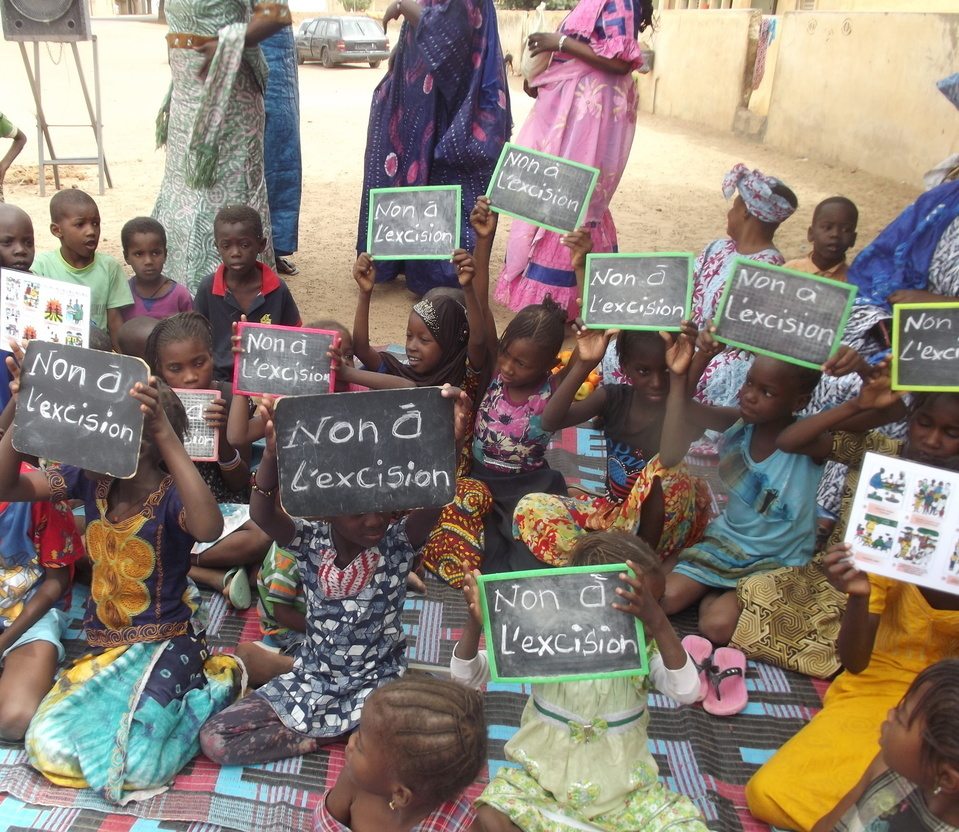
In 2024, Lafia Matassa hosted a powerful Girls’ Rights Forum, bringing together over 300 women and girls — including former child brides, midwives, teachers, and grandmothers. Through testimonies, roleplays, and open dialogue, they unpacked the cost of early marriage and imagined alternatives.
The event led to village pledges, new school enrollments, and a community mural painted by girls with the words: “We Are More Than Wives. We Are the Future.”
It was not just a gathering — it was a declaration.
Top Nonprofits Across Niger
Meet the organizations standing between children and crisis in Niger’s harshest zones: