Tanzania: Uplifting Children in Forgotten Rural Communities
Explore Tanzania:
In the shadows of Mount Kilimanjaro and the Serengeti, many children still lack access to basic education, healthcare, and protection. Discover the community voices changing that reality.
The Situation for Children in Tanzania
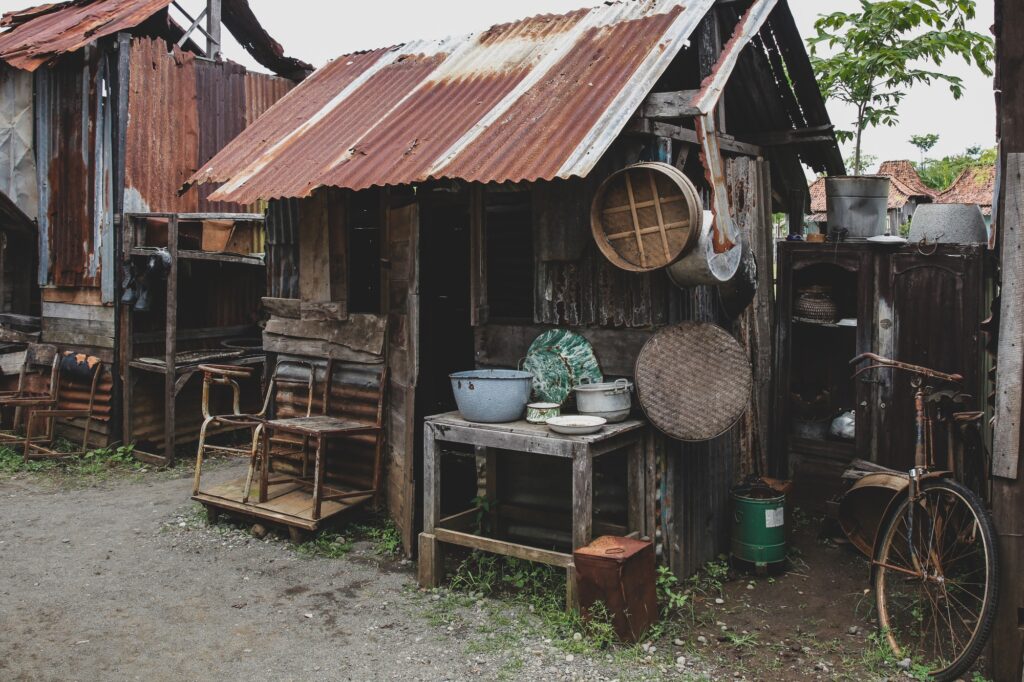
Tanzania has made important progress in education and child health, but gaps remain for the poorest and most remote communities. Many children still grow up without clean water, classroom access, or legal protection from harm. These are the three most urgent challenges:
Child Labor in Agriculture and Domestic Work
Hundreds of thousands of children work long hours in farms, mines, or homes — missing out on school and often exposed to injury, exploitation, or abuse.
Early Marriage and School Dropout for Girls
In rural areas, many girls drop out before secondary school due to marriage, pregnancy, or financial pressure. Legal enforcement is weak, and social norms keep them from returning to class.
Limited Healthcare Access and Preventable Illness
Many children in remote areas suffer from malnutrition, diarrhea, and malaria due to lack of healthcare, clean water, or trained medical staff. Clinics are far, and caregivers often can’t afford transportation.
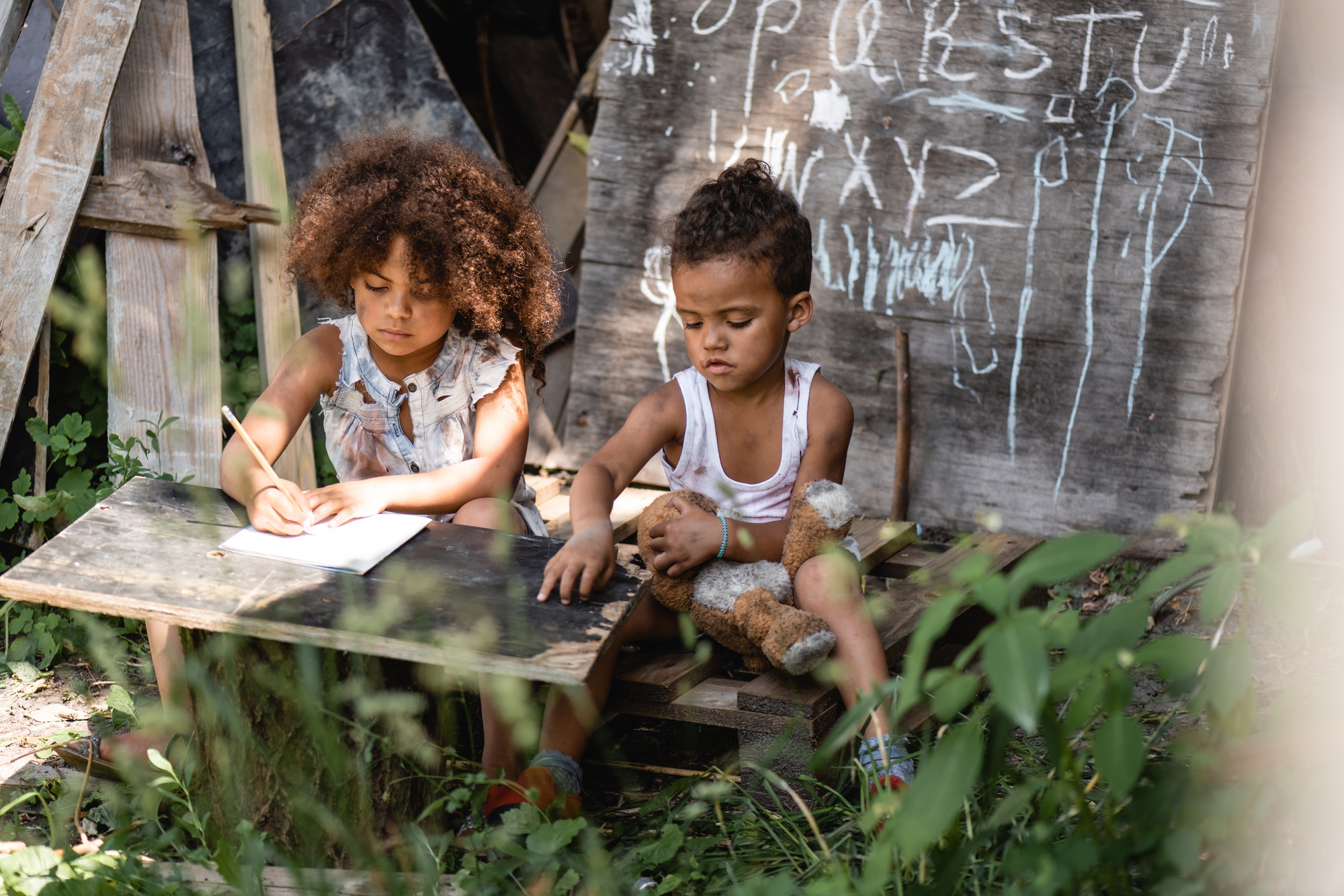
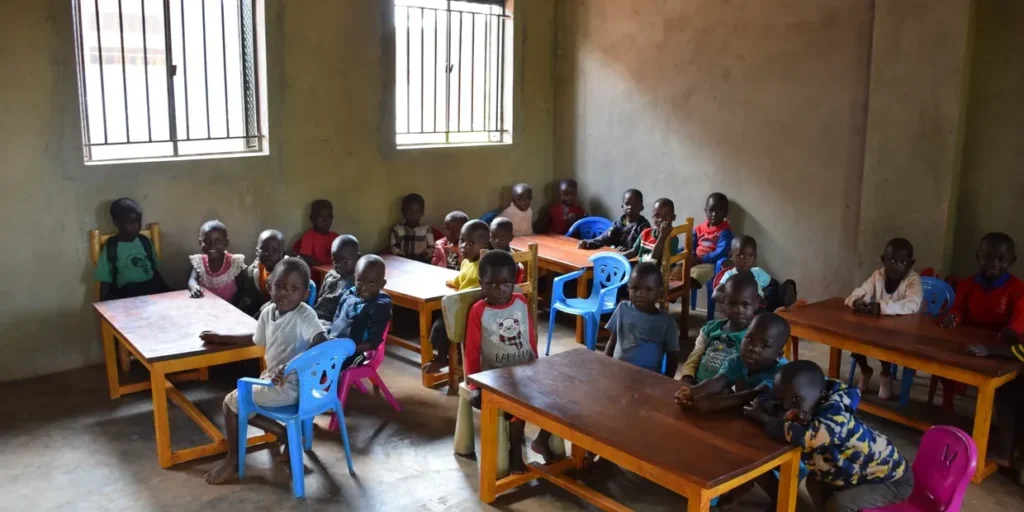
Despite these challenges, Uganda’s children remain full of hope — dreaming of education, health, and opportunities for a better tomorrow.
How We Help Amplify Change in Tanzania
At iam4allkids.org, we focus on the children left furthest behind — those hidden by poverty, distance, or tradition. In Tanzania, we support local leaders who are opening schools, building clinics, and protecting childhood.
We:
Share the stories of working children returning to school
Highlight grassroots efforts to stop early marriage and promote girls’ rights
Support rural health campaigns and mobile medical services
In Tanzania, every step toward protection starts with visibility.
Why Tanzania Is One of Our Focus Countries
Tanzania is rich in culture and promise — but many children are still excluded from progress.
Nearly 3 million children are engaged in child labor
One in four girls is married before age 18
Many villages still lack clinics, trained nurses, or reliable access to medicine
We believe every child deserves a future where their body is safe, their voice is heard, and their dreams are possible.
A Message of Hope From Tanzania
Even in the most isolated places, change is growing:
In farm communities, children are swapping tools for schoolbooks
In village classrooms, girls are returning with uniforms and confidence
In clinics under trees, babies are being weighed, fed, and protected
And because of your support, these children now feel seen and supported
In Tanzania, hope is walking long distances — and arriving strong.
Key Contributor #1: Kiwohede (Kiota Women’s Health and Development)
Protecting Girls From Exploitation and Supporting Their Return to School
Kiwohede works across Tanzania to prevent child trafficking, end early marriage, and help girls return to education after dropping out. They run safe houses, counseling programs, and outreach campaigns that challenge harmful norms and support survivors. In communities where speaking up can be dangerous, Kiwohede gives girls a place to speak, recover, and rebuild their goals. Staff also partner with schools and parents to create reintegration plans for girls who’ve experienced abuse or pregnancy. Their work makes the difference between silence and a second chance.
Key Contributor #2: Health Integrated Multisectoral Development (HIMD)
Delivering Healthcare and Nutrition to Children in Remote Regions
HIMD brings basic healthcare to underserved areas through mobile clinics, school-based health programs, and village health volunteer training. They offer malaria testing, nutrition screening, and immunizations to children who would otherwise go without care. HIMD also helps parents build simple handwashing stations and grow kitchen gardens to support hygiene and nutrition. Their staff walk miles each week to reach families in rural zones like Mtwara and Lindi. Where there are no hospitals, HIMD becomes the health system.
Key Event #1: Back-to-School Girls’ Caravan – Dodoma Region
Helping Dropout Girls Return to Class With Confidence and Support
In 2023, Kiwohede organized a girls’ empowerment caravan across the Dodoma region. The team visited 15 villages, bringing music, storytelling, and success stories from girls who had returned to school after early marriage or abuse. Local leaders signed pledges to support girls’ education and stop child marriage. Parents attended family counseling circles while girls joined leadership games and literacy sessions. The caravan reminded entire communities that every girl deserves another chance.
Key Event #2: Health on Foot – Mobile Clinics in Lindi
Bringing Medical Care to Children Living Far From Clinics
In early 2024, HIMD volunteers launched a two-month mobile health campaign in remote parts of Lindi. Using motorcycles and backpacks filled with supplies, nurses and health workers provided malaria treatment, nutrition screening, and vitamin supplements to over 800 children. Mothers brought their babies for immunizations and received advice on breastfeeding and home hygiene. For many children, it was their first doctor visit. This mobile project brought healthcare to families who had gone years without it.
Top Nonprofits Across Tanzania
Meet the organizations closing the gap between children and care, education, and protection: